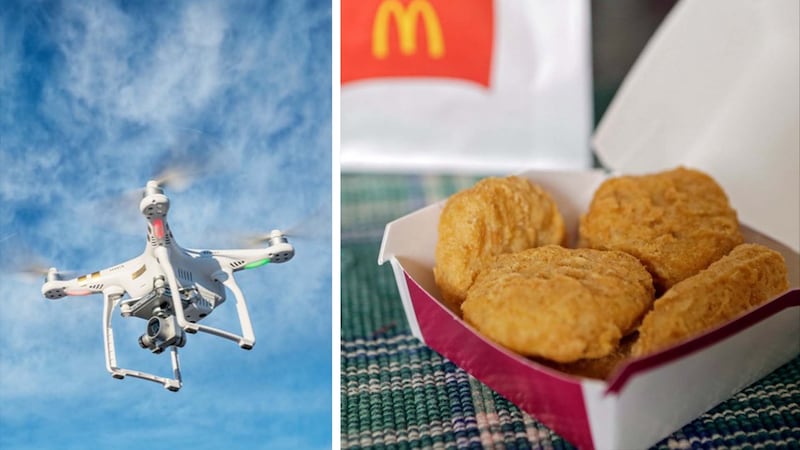
While the U.S. is implementing tariffs across the board on Canadian imports, Canada is retaliating with a more targeted approach that takes aim at specific products and industries. Designed to inflict economic pain for Donald Trump’s allies and supporters, Canada has slapped 25 per cent tariffs on U.S. products such as meat, metals and orange juice. But among the more than 6,200 items listed by Canada for tariffs, there are a handful of odd and obscure ones, like flame-throwers, false beards, church bell cases and live monkeys. Some items – like manatee meat and passenger drones – seem so uncommon or unusual that one has to wonder how they even made the list, and how much of this stuff is actually sold in Canada. Ian Lee, a professor at Carleton University’s Sprott School of Business, says the vast list of items seems to be driven by political and not purely economic calculus. “Why would you list such a plethora of small, obscure products?” Lee asked CTVNews.ca. “I think it’s being driven by the need to produce visible optics, and so they can say, ‘Look, we’ve got six thousand, two hundred (items), we’re really going at this, we’re really sticking it to Donald Trump and the Americans.” In the ongoing trade war, Canada’s dollar-for-dollar retaliatory tariffs are meant to impact $30 billion in goods imported from the U.S. Nearly 1,800 items were hit with tariffs on March 4 and 13, and over 4,400 more are scheduled for April 2. Jason Childs, a professor of economics at the University of Regina, says that the lists of thousands of products are likely “padded” to make Canada’s response appear more impressive. “We want to apply tariffs to things we can make ourselves or get elsewhere,” Childs told CTVNews.ca. “I will say, manatee meat isn’t something we can make ourselves, but I don’t think it will create too much of a backlash from Canadian consumers.” Here are some of the most unusual, specific and obscure U.S. items Canada is targeting: Lee says many of these products were likely chosen because they won’t affect most Canadians. “These are not consumer goods that are turning over in high volumes,” Lee explained. “They’re low-volume purchases, which tells me they’re going to have a small impact on Canadians if only a small number are buying them on any given day.” Childs agrees. “These are some odd items to be sure,” he said. “This is likely about things that aren’t going to make too many Canadians mad.”