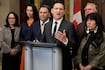
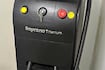
Mourners marched down Broadway to mark a sombre milestone. May 1 was the inaugural Victims of Impaired Driving Commemoration Day, an occasion proclaimed by the Manitoba government in 2025. Dozens of survivors, family members, police, first responders, government officials and advocates gathered at The Forks on Friday morning. They then made their way to the Manitoba legislature in a demonstration designed to look like a funeral procession. “All these people out here today have been affected by impaired driving, whether that’s because they directly lost a loved one or because a loved one has been seriously injured in a crash,” said Trevor Ens, president of MADD’s Winnipeg chapter. Many demonstrators wore purple - the favourite colour of Jordyn Reimer, a 24-year-old Manitoba woman who was killed in 2022 by an impaired driver. She was on the road that night as a designated driver, giving her friends a safe ride home from a social. Tyler Goodman is currently serving a seven-year sentence in connection with her death. Her face was among the countless victims pictured on signs and T-shirts, reminders of a tragic and ongoing problem on Manitoba roads. Winnipeg police arrested 771 impaired drivers in 2026, while Manitoba RCMP responded to 21 fatal crashes where impaired driving was suspected or confirmed. For the hundreds of Canadians killed each year by impaired drivers, Ens said there are thousands more who are injured with debilitating brain injuries, loss of limbs, PTSD, and more life-changing traumas. Ens said stricter mandatory alcohol screening laws rolled out in 2018 mean more impaired drivers are being caught. Still, he’d like to see enforcement go even further, pointing to U.S. legislation signed by former President Joe Biden that required new vehicles to include technology that can detect impaired driving, be it through a thumbprint or breath sample, and stop a car if it is detected. “This technology is out there and at MADD, we believe that this will cut down on approximately 80 per cent of impaired-related deaths. We need to get this done in Canada, as well,” he said, noting national MADD officials will be in Ottawa next weekend to push the federal government on the issue. Manitoba Justice Minister Matt Wiebe said while Manitoba has some of the strictest impaired driving laws in Canada, more work is needed to crack down on the issue. He pointed to Bill 31, a proposed amendment to the Highway Traffic Act that would require Manitoba drivers of class 1 to 4 vehicles, including semi-truck and bus drivers, to have zero alcohol in their blood while operating their vehicles. It also increases roadside suspensions for warned drivers and expands mandatory ignition interlock participation. Reimer’s family has previously said the bill does not go far enough, calling for harsher amendments for first and second-time offenders. “We’re going to get that bill past this legislative session, and we’re going to send a clear message to Manitobans that it’s not OK to get behind a wheel if you’re impaired,” Wiebe told reporters. - With files from CTV’s Devon McKendrick, Daniel Halmarson and Scott Andersson