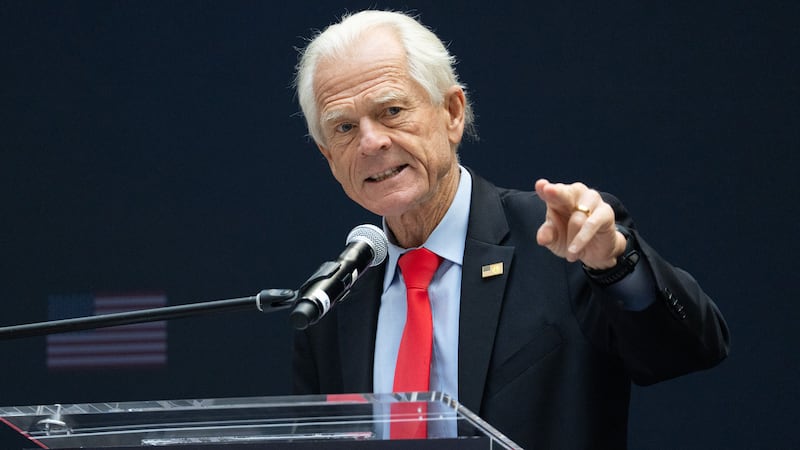
The organization representing Manitoba physicians is urging employers to update their sick note policies before a new law takes effect, warning it won’t free up appointments unless workplaces follow through. Under Bill 11, which became law in June, Manitoba employers won’t be able to require a sick note as of Thursday unless an absence lasts more than a week, or the worker has missed more than 10 scheduled workdays for illness or injury that calendar year. The law follows a promise in the province’s November 2025 throne speech to eliminate sick note requirements for short absences. Speaking at a news conference at the Manitoba Legislative Building on Tuesday, Dr. Nichelle Desilets, board chair of Doctors Manitoba and a family physician in Neepawa, said Manitoba’s new sick note rules are the “clearest and strongest” in Canada. She said more than 600,000 sick notes are requested each year in Manitoba, or more than 1,500 a day. “This is a big change that could free up 300,000 medical appointments per year, but we can only have that big of an impact if all employers make the necessary changes,” Desilets said. Doctors Manitoba says one in three patients seeking a sick note have no symptoms left to assess by the time they see a doctor, resulting in unnecessary appointments that cost taxpayers more than $8 million a year. Desilets said research from the Canadian Medical Association has found employers still often request sick notes in provinces that already have laws restricting them. She urged employers to update their policies and stop requiring sick notes for short absences. She also pointed them to a free online toolkit released last year that helps employers manage short-term absences without relying on sick notes. The toolkit, developed with the Chartered Professionals in Human Resources (CPHR) of Manitoba, includes a sick leave policy template and absence-management flowcharts. Desilets said many employers have already made changes in advance of the legislation taking effect, adding she has noticed fewer requests in her own office. CPHR Manitoba CEO Ron Gauthier said more than 700 of its members have taken training on the toolkit. Labour and Immigration Minister Malaya Marcelino said the province will rely on complaints and education rather than enforcement at first. “We also have a complaints-based mechanism where people can call in their concerns, and those can be investigated that way,” she said. Kevin Rebeck, president of the Manitoba Federation of Labour, said the change will benefit workers and public health. “From a worker perspective, this means workers can rest and recover instead of having to drag themselves into a doctor’s office when they’re infectious and weak and possibly make others sick.”