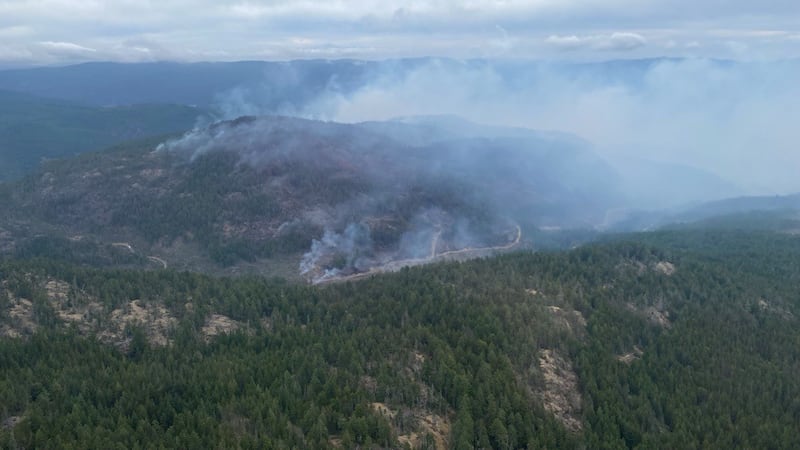
Public health leaders in British Columbia have ramped up monitoring for communicable illnesses as they co-ordinate with national and international counterparts to prepare for the influx of international visitors heading to Vancouver for the World Cup. While large sporting events and big-name entertainers are nothing new, a 16-city tournament across three countries with an unknown number of fans jumping between games provides new challenges. “That is a bit of a kind of novel feature of this World Cup and it’s something I think FIFA hasn’t had to contend with before,” said Dr. Mark Lysyshyn, deputy medical health officer for Vancouver Coastal Health. “But this is sort of the way we live these days and so we are responding to these things and we’re ready to respond to new risks as they emerge.” Communicable illnesses ranging from gastro-intestinal viruses to sexually transmitted diseases, measles to Mpox are all on their radar, and he says they’ll be increasing wastewater testing for multiple illnesses from once a week to three times a week for the duration of the tournament. They’re also watching for drug and alcohol use, and whether heat or wildfire smoke reach concerning levels. Representatives from the B.C. Centre for Disease control and VCH met several times with Toronto Public Health, since the two cities expect to have travellers following the Canadian team. They also met with officials from other west coast host cities, namely Seattle, San Francisco and Los Angeles. There is now a central monitoring body in the United States after academics and non-governmental organizations joined forces to stand up a Health Security Operations Centre to support host cities and public health officials in that country, since federal government funding for the World Cup didn’t appear to include public health measures. Georgetown University professor Rebecca Katz told reporters that HSOC is working “independently, but in support of” government agencies like the Centers for Disease Control and Prevention, warning there are challenges this year. “The United States has left the World Health Organization, so that means co-ordinating information, sharing information across Mexico and Canada and the United States is a little more complicated than it used to be,” said Katz. Lysyshyn pointed out that B.C. health officials conducted a risk assessment as part of World Cup preparations and didn’t see any big surprises. “That’s good (because) we’re prepared for those things, we deal with them all the time,” he said. “We want to use our existing channels and then the FIFA medical teams will be discussing things as well.”