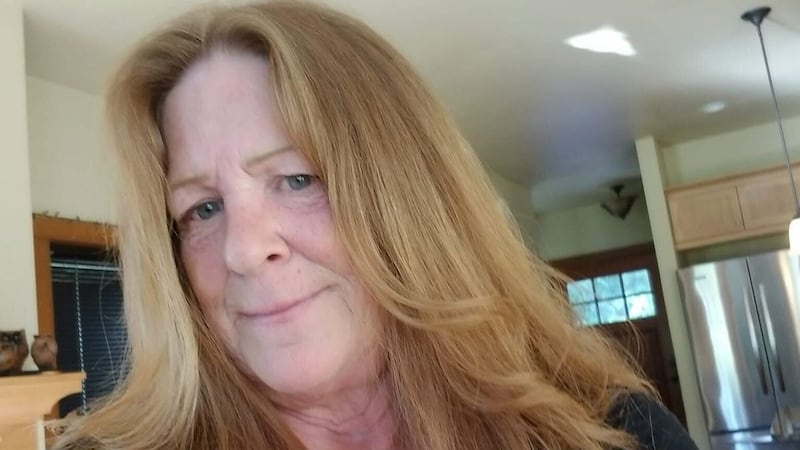
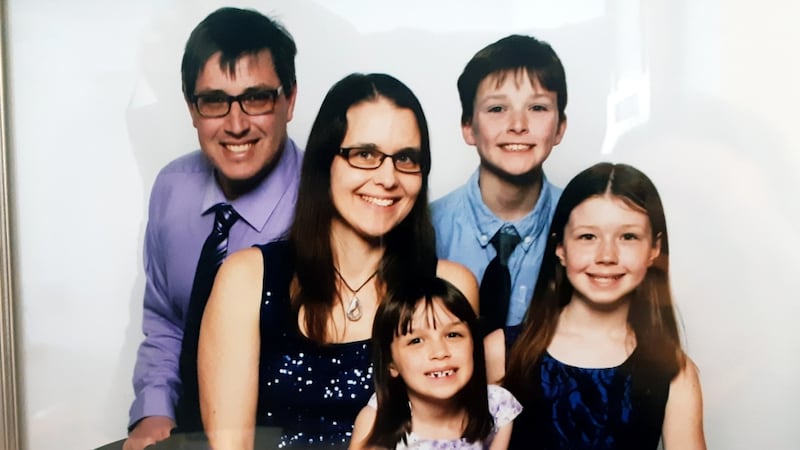
Women’s protection agencies and a friend of a woman killed last week on Vancouver Island say she was failed by the systems designed to keep her safe. Laura Gover, 41, was found dead inside her Saanich home on Jan. 5. Her ex-husband, Muhammed Basar, is charged with second-degree murder. Before her death, Gover had been in regular contact with police, long-time friend Kelsea McLaughlin told CTV News. “Two weeks ago, we were talking about how exhausted she was from living in this constant, heightened state of fear,” McLaughlin said. “She had a doorbell camera; she had extra locks; she was taking a lot of extra precautions.” She also had a safety plan and a court order, which forbade Basar from contacting her, McLaughlin said. The murder charge against him has not been tested in court. “She had all of the things that seem to be on the checklist of what to do when you’re facing intimate-partner violence—especially after a separation—and she was still killed,” McLaughlin said. Gover filed for divorce in November. Loved ones are remembering her as a dear friend, devoted mother of two, and deeply respected business professor at Camosun College and Vancouver Island University. “She was a beautiful person inside and out. She was brilliant,” McLaughlin said. “So witty. Really, just an effervescent person.” Gover’s friends started a fundraiser to support her daughters, who are now without either parent to care for them. “Laura put so much into her daughters and the love and devotion she had for these kids was palpable,” she said. ‘Women are paying with their lives’ Vancouver Rape Relief & Women’s Shelter (VRRWS) is calling on the B.C. Coroners Service to review the circumstances of Gover’s death. In November, the organization held a vigil on the steps of the legislature for women killed last year in B.C. At that time, support workers called for coroner’s inquests into all deaths tied to allegations of domestic violence. “Because those investigations have not been made, the recommendations have not been made (and) have not been implemented, women are paying with their lives,” VRRWS spokesperson Hilla Kerner said in an interview Tuesday. The chief coroner may order an inquest to learn more about a death, to address community concerns, or to increase awareness about a cause of death to prevent similar losses in the future. “It’s too late for (Gover). It’s too late for her children. It’s too late for her family. It’s too late for her community,” Kerner said. “We have to make sure it’s not too late for the next woman.” The Victoria Women’s Transition House Society (VWTHS) supports the call for an inquest. “We failed this individual as a community, as a system,” VWTHS executive director Bahar Dehnadi said. Many women continue to experience violence after filing protection orders against their former partners, she said. “We all need to come together to advocate for better resources, for better funding, for better measures out there to protect women to make sure that this never happens again,” she said. Dehnadi said people experiencing domestic violence seek help through systems that “don’t connect.” She said improved communication between the courts, police departments, and support agencies could prevent cases from falling through the cracks. McLaughlin echoed that sentiment. “There needs to be a plan to have everyone engaged in the safety of that person,” she said. If you or someone you know is experiencing intimate-partner violence, VictimLink B.C. can connect you with local supports. You can call or text 1-800-563-0808.