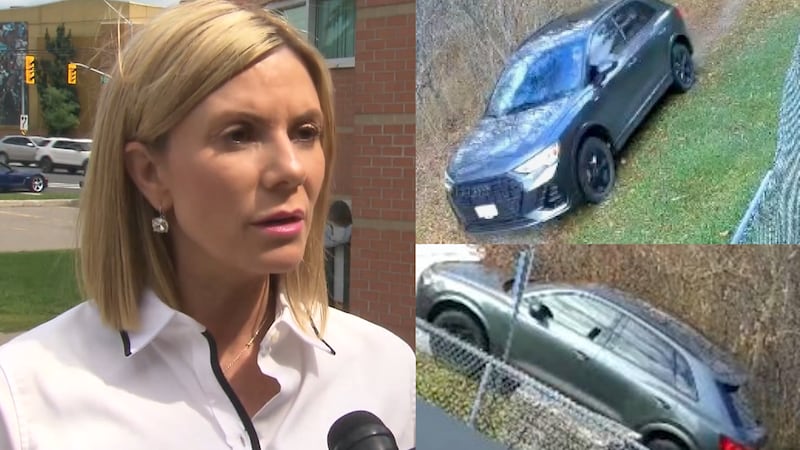
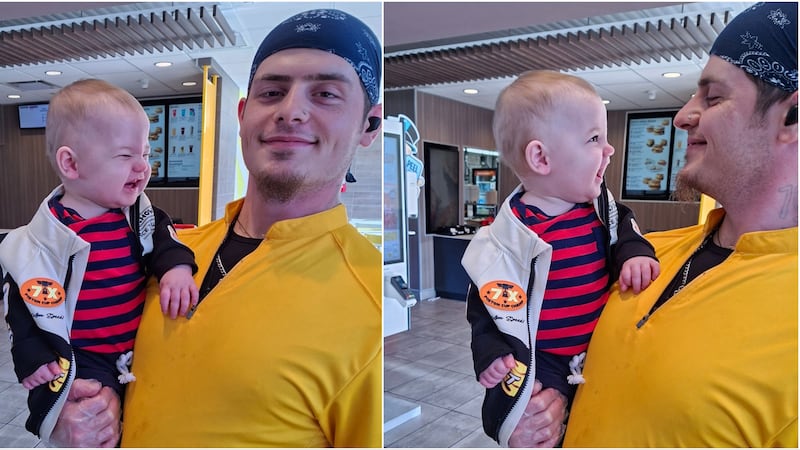
A 17-year-old involved in a head-on collision on a road in Waterloo Region is questioning why police never showed up at the scene. Vic Ballantyne was driving a black SUV on Spragues Road around 6:30 p.m. on Nov. 3 when another vehicle collided with his. “It was like I was waking up and I saw everything crushed, everything smoking,” Ballantyne recalled. He said the other vehicle struck the driver’s side of his SUV, pushing the wheel into the door and trapping him inside. Ballantyne and his passenger managed to get out and were not seriously injured. A witness called 911 and put Ballantyne on the phone with a dispatcher. He said he was asked whether anyone was hurt and told the dispatcher no. “And she’s like, ‘OK, then we’re not going to send an ambulance,’” he said. “And she never said anything about the police not coming.” Ballantyne said he waited about 40 minutes, expecting Waterloo Regional Police to arrive, but no officers showed up. When his stepmother, Sarah Ballantyne, arrived, she said she called 911 again to emphasize the seriousness of the collision. “I tried to stress there’s a lot of adrenaline happening,” she said. “It was a head-on collision. All airbags were deployed and minors were involved.” Sarah Ballantyne said she was told police could not respond to every collision. The family said they were disappointed with the response and question why the crash did not warrant officers attending. “There could be a concussion, there could be internal bleeding. There could be so many other things in an accident that serious,” she said. When do officers attend collisions? A Waterloo Regional Police Service spokesperson said decisions about whether officers attend a collision are based on several factors. These include whether serious injuries have been reported, concerns about possible impairment or criminal activity, immediate public safety risks and other circumstances that may require a police response. “In this case, once it was confirmed that there were no reported serious injuries, the collision met the criteria for collision reporting centre reporting, and the appropriate information and resources were provided to those involved,” the spokesperson said. Sweep up the scene Matt Fehr works for Elite Towing, the company dispatched to the collision. Although he was not at the scene, he said tow truck drivers regularly assess crash sites and may provide police with additional context. “We show up to many scenes where we get dispatched to, and it’s far worse than what we expect,” Fehr said. He explained that after a collision, tow truck drivers typically clear the scene and take the vehicles to a reporting centre. “Basically, we just sweep up the scene, clean it up, hook them up and go to the reporting centre,” he said. Insurance impact More than a week after the collision, the Ballantyne family said they are still dealing with the aftermath. “Insurance can only do so much right now because there’s no police statement given at the time of the accident,” Sarah Ballantyne said. “That really sets us back a little bit because now it’s a lot of he said, she said.” Vic Ballantyne said he feels lucky to be alive and hopes other drivers consider investing in dash cameras. He said having footage could help drivers prove what happened if they find themselves in a similar situation.