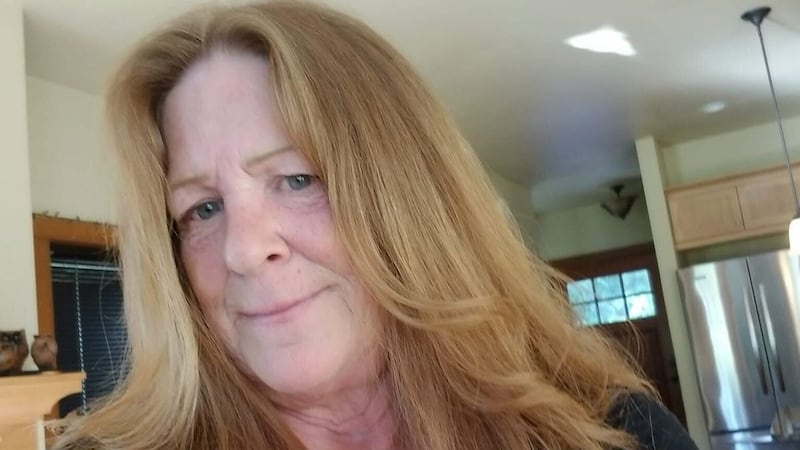
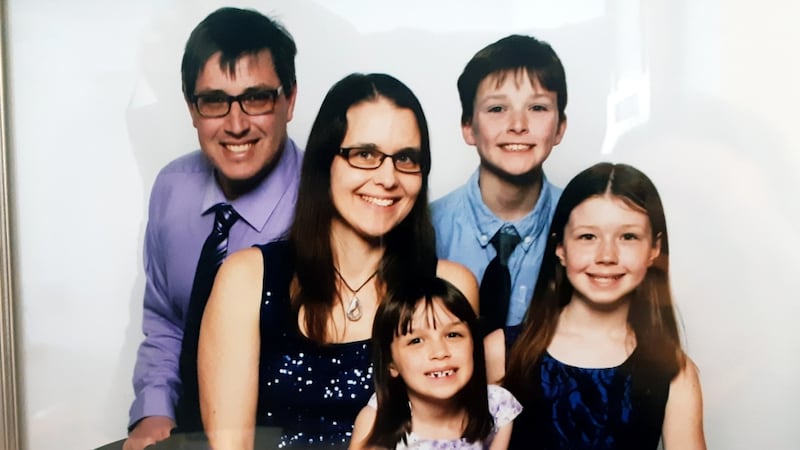
The head of a women’s protection agency says her staff are feeling dejected by the death of a Saanich, B.C. woman—a loss allegedly caused by domestic violence. Laura Gover, 41, was found dead in her home on Jan. 5. Her ex-husband, 46-year-old Muhammad Basar, is charged with second-degree murder. “There can never be another Laura,” said Bahar Dehnadi, executive director for Victoria Women’s Transition House (VWTH). “It’s really demoralizing for staff when that happens. And it’s just a constant reminder of: We’re here because the work matters, because we do actually save lives when we’re able to intervene.” Dehnadi said the organization’s crisis line received 2,417 calls last year, up from 2,029 in 2024. She said VWTH and other organizations like it typically have waitlists for their services, which include counselling and emergency housing. She worries women will die while waiting for help. “It’s important to help everyone in our community who is experiencing this because the cost of inaction is too great,” she said. The bulk of VWTH’s $7 million budget comes from donations and the provincial government. It’s asking the Public Safety and Housing ministries for a boost. The Public Safety Ministry said it gave the organization $1.2 million for the 2025-26 fiscal year, up from roughly $578,000 in 2018-19. “Our government recognizes that victim service providers continue to experience service demands in communities throughout B.C. Ministry staff continue to work with service providers to address issues,” a ministry spokesperson said in an email to CTV News. In recent years, the ministry said, it gave VWTH one-time funding of $90,000 to respond to high caseloads and nearly $78,000 to reduce waitlists. Dehnadi said one-time funding doesn’t address ongoing needs. She said the provincial funding formula is based on population figures from 2009, and it doesn’t keep up with the growing community, caseload, and inflation. “We are very, very lucky because we have a very generous community of donors that helps us fund many of the gaps that exist within our funding structures from the province,” she said. VWTH leverages donations to reduce program waitlists, which are currently between one and three weeks, she said. 152 domestic violence deaths A University of Victoria (UVic) researcher who focuses on intimate partner violence said community resources are underfunded. “They do incredible work, but they don’t have the resources to help enough people,” said UVic clinical psychology professor Erica Woodin. She said it’s crucial immediate support is available to people when they’re leaving abusive relationships, which is a particularly dangerous time. “There’s a real misconception that intimate partner violence is rare in our community,” she said. “Unfortunately, it’s not. It’s extremely common.” Between 2014 and 2024, the B.C. Coroners Service said, 152 homicides were caused by intimate partner violence. “One of the most important things early on is for family and friends to reach out and provide support,” Woodin said. “Often in these relationships, individuals get incredibly isolated and it can feel very scary and like there’s no way out.” If you or someone you know is experiencing intimate partner violence, VictimLink B.C. can connect you with local support services. You can call or text 1-800-563-0808.