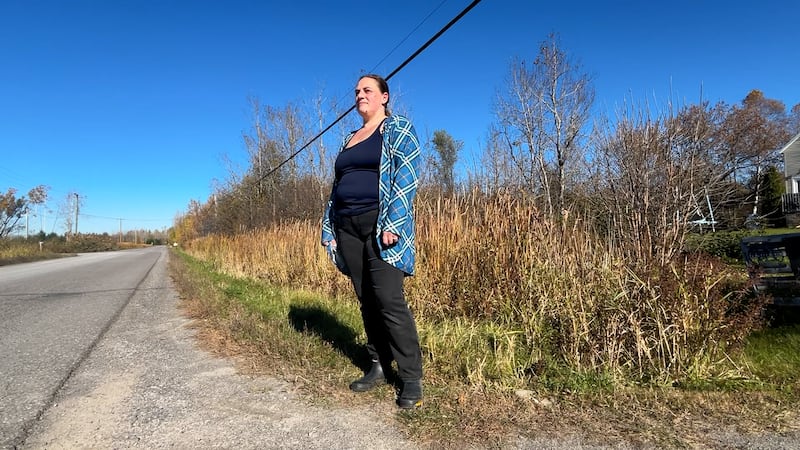
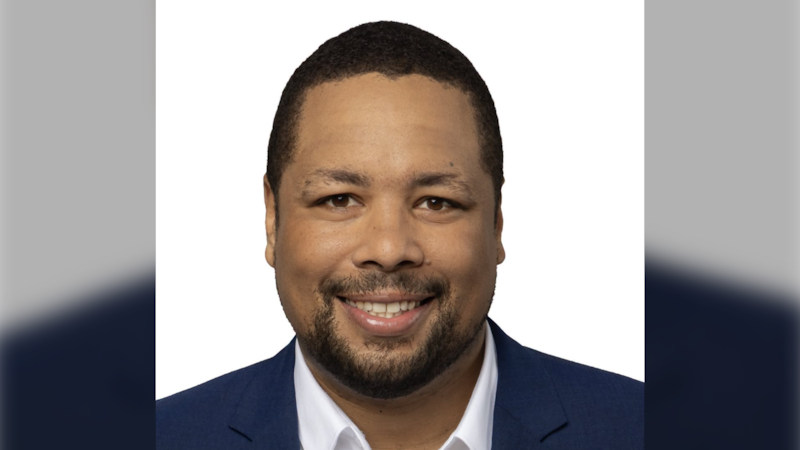
Over a decade after going blind, a Victoria, B.C., woman’s vision has been restored by an operation rarely performed in Canada. Gail Lane was the first of three people in the province — and all of Canada — to receive tooth-in-eye surgery. During the highly specialized procedure, surgeons attached a tooth fitted with a lens to the front of Lane’s eye to replace her damaged cornea. “What a feeling to be able to get any amount of sight back,” Lane told CTV News Vancouver Island. “The more the better, of course, but after having been blind, to be able to see anything is a wonderful thing.” In February, the 75-year-old underwent the first of two surgeries at Mount Saint Joseph Hospital in Vancouver. At that time, one of her teeth was removed and fitted with a lens. From there, it was implanted in her cheek, where it grew connective tissue for three months. “It’s very science-fictiony,” Lane said after the first operation. The procedure is suitable for certain patients who have corneal damage, but doesn’t work for those without functional retinas and optic nerves. On May 26th, the surgical team removed the tooth from Lane’s cheek and attached it to her eye. Soon after, she started seeing light and movement. “I just felt full of gratitude and looking forward to how it would unfold because it was a gradual process for me,” she said. Now, Lane’s vision has improved to the point that she can see her loved ones’ faces.. “They’ve seen me age, but they were kind of frozen in time for the last decade for me, so they were more afraid of me seeing them than I am of seeing myself,” she laughed. For the first time, she has laid eyes on her partner, Phil, who is blind. They met after Lane lost her sight in 2014 due to an autoimmune disorder. “He still hasn’t seen me, and I had never seen him when we met,” she said. “It’s got to be a huge adjustment for him.” ‘One of the best feelings in medicine’ Ophthalmologist Dr. Greg Maloney said all three Canadians who received tooth-in-eye surgery have regained their vision. “To see them go from total dependence back into independence, it’s highly emotional for all of the staff who are looking after them and it’s thrilling for us,” Moloney said. “It’s one of the best feelings in medicine that you can have as a surgeon.” The operations are part of a pilot project, which he hopes to expand. “We’re still working to establish the program as a funded, ongoing service in Canada,” he said. Lane is deeply grateful for Moloney and the rest of the surgical team. “What a gift,” she said. “It was only until the past three or four years that I believed it would ever be possible for me to see because of what he could do.”