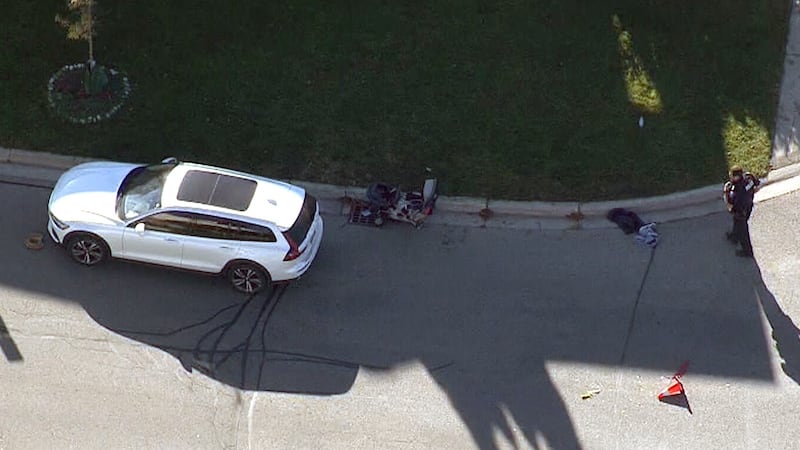
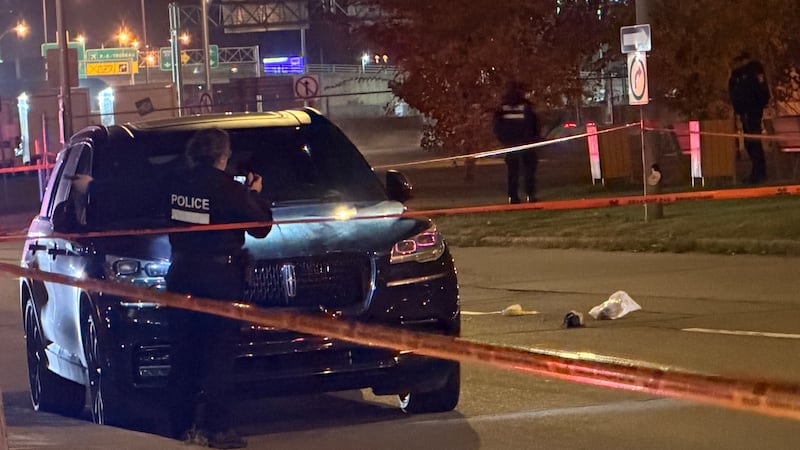
Provincial prosecutors in British Columbia say a Victoria police officer who shot and killed a man who was threatening to harm himself with a knife will not face charges. A statement Wednesday from the B.C. Prosecution Service says the available evidence in the case did not meet its charge assessment standard after the provincial police watchdog had recommended at least one firearm-related charge against the officer. “There is no substantial likelihood of conviction for any criminal offence in relation to the incident,” the prosecution service said. “As a result, no charges have been approved.” The Independent Investigations Office of B.C., a civilian-led police watchdog agency, investigated the shooting and in 2023 determined that “reasonable grounds exist” to pursue one or more charges against the police. The IIO, which investigates all police-involved injuries and deaths in B.C., did not specify the type or charge it was recommending, other than saying it was “in relation to the use of a firearm.” The incident occurred two years earlier, when Victoria police responded to a report of an armed man in distress in the neighbouring community of Saanich. The man had “stolen a bottle of whiskey from a liquor store” earlier that morning “and was holding a knife to his throat, saying he would kill himself,” according to the prosecution service. Police deployed a crisis negotiator and less-lethal beanbag rounds to subdue the man before he was shot in the stomach and died at the scene. No officers were injured in the altercation. “This was a tragic and profoundly difficult incident,” said Victoria Police Chief Fiona Wilson in a statement Wednesday. “Our thoughts remain with the family and loved ones of the individual who lost their life. These incidents have a lasting impact on everyone involved, including the officers who respond with the intention of preserving life and protecting the public.” The president of the Victoria police union also issued a statement Wednesday criticizing the lengthy review process involved in the case. “Extended delays can leave officers in a prolonged state of uncertainty, placing considerable strain on their mental health, professional standing, and personal lives,” Sgt. Angela Van Eerd said. “Timely and transparent decision-making is therefore not only essential to procedural fairness, but also to supporting member well-being and maintaining operational readiness.”