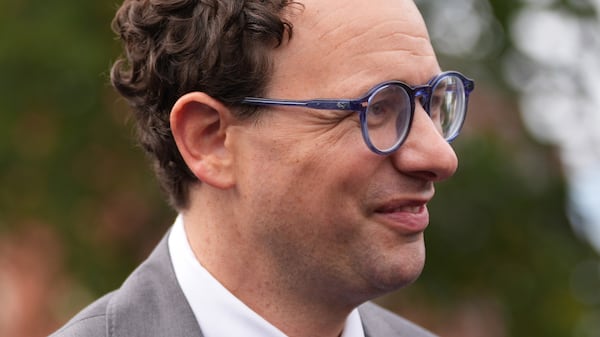
Calgary’s proposed four-year budget would bring the largest single-year property tax increase in at least three decades, with homeowners facing double-digit tax hikes in each of the next two years. The proposal, released Tuesday morning, would increase municipal property taxes by 15 per cent in 2027, while pushing the city’s operating budget from $5.9 billion to $7.8 billion by 2030. A public hearing will begin on Nov. 23, after which council will work to bring spending down before passing the budget by the end of the year. “Calgarians have been clear that they want a safer city, reliable services and infrastructure that keeps up with our growth,” Mayor Jeromy Farkas said in a news release. “They also want us to respect how hard they’re working to make ends meet. This proposed budget is the starting point, not the final word.” The proposed budget includes a 15 per cent property tax increase in 2027, followed by increases of 10 per cent in 2028, 7.7 per cent in 2029 and six per cent in 2030. The budget, if passed as is, would see costs for the average single-family residential property increase by around $50 per month for the next four years. For 2027, the proposed budget shows a single family residential property worth $688,000 would pay $37 more in municipal taxes per month, along with $16 more monthly for water, waste and recycling. Calgary is a fast-growing city that has deferred necessary infrastructure upgrades and maintenance for too long, the budget document states. The city’s operating spending is set to soar be nearly $2 billion by 2030 with the city’s workforce (full-time equivalents) expanding by almost 1,800 positions in the next four years. The budget calls for $20.6 billion in capital spending by 2030 with money going to major projects, such as the Green Line, water infrastructure upgrades, new transit buses and road and sidewalk improvements. Among the capital projects highlighted is more than $2 billion on wastewater treatment plant upgrades and water infrastructure improvements; $420 million for pavement rehabilitation; $300 million for new Calgary Transit buses; and $192 million to the Calgary Police Service for new fleet vehicles, equipment and facility maintenance. Spending on safety improvements On Monday, the mayor pointed at the request from the Calgary Police Service (CPS) as one area council could consider to find savings. If passed, the CPS capital budget would climb by $214 million, or 73 per cent, by 2030. “That’s a huge number and that’s one of the biggest drivers for why the starting point for this year’s budget is so high, but we can’t give the police a free pass. We can’t give the fire department a free pass,” said Farkas. The service is also seeking an additional $123 million, a 19 per cent increase to its operating budget, in part to hire 309 officers. The Calgary Fire Department (CFD) would also be in line for increases over the four years. If passed, CFD would receive $177 million in additional spending to boost its emergency response, new stations and fire trucks and vehicles. The proposed budget would also see a $27 million boost to add transit peace officers, $8 million for additional community standards peace officers and $4 million for traffic peace officers. Fee hikes and costs climb In addition to the proposed property tax hikes, the budget also shows increases to hundreds of fees for city services -- for everything from business licence renewals, to city inspections, pet licencing, recreational facility admission and transit fares. An adult single ride transit fare is currently $4, but would increase by 15 cents in each of the next four years if the budget moves forward. An adult monthly transit pass, which currently costs $126, would jump to $131 next year and up to $146 in 2030. Assessments down Property tax and utility costs will rise under this proposed budget, despite residential property values declining in 2027 compared to this year. The typical assessed value for a single family home for 2027 is $688,000, down 2.5 per cent from the $706,000 average value reached in 2026. Condominiums, meanwhile, would see assessed values fall from $347,000 in 2026 to $327,500 in 2027, a decline of 5.6 per cent.