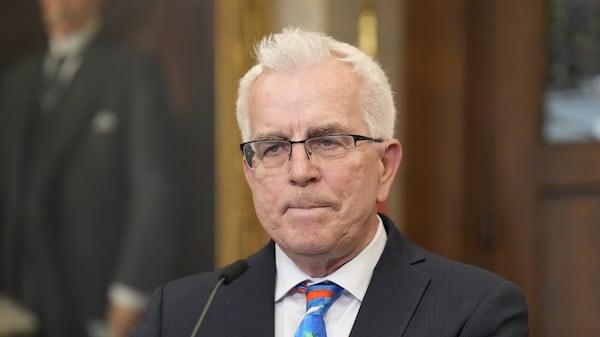
Vancouver city council has voted down a motion to reinstate the city as a living wage employer, three years after the policy was scrapped, with just four councillors voting in support. The motion, tabled Wednesday by Green Party Coun. Pete Fry and OneCity Coun. Lucy Maloney, argued the need for a living wage remains acute, citing a 2025 report by Living Wage BC showing grocery prices across Metro Vancouver increased 3.6 per cent between 2024 and 2025. “People who work for the City of Vancouver should be able to afford to live here, raise their kids here and contribute to the life of their community,” the motion said. Living Wage BC defines the living wage as the hourly amount a full‑time worker needs to earn to cover basic expenses such as food, clothing, rental housing, childcare and transportation, after accounting for taxes and government benefits. The calculation is based on a weighted average of three household types: a two‑parent family with two children, a single parent with one child and a single adult living alone. As of 2026, Metro Vancouver’s living wage stands at $27.85 an hour, about $10 higher than B.C.’s minimum wage. Living Wage BC says the figure reflects a bare‑bones budget and does not include debt repayment or savings for future plans. There are more than 450 certified living wage employers across British Columbia, including the cities of Victoria, North Vancouver, New Westminster and Port Coquitlam. A recent survey cited in the motion said employers reported benefits such as easier recruitment, higher employee retention and improved worker morale. The debate drew strong public support, with 14 speakers appearing in favour of the motion during Wednesday’s meeting. In addition to Fry and Maloney, the motion was supported by COPE Coun. Sean Orr and former ABC Coun. Rebecca Bligh, who was expelled from the ruling party last year after challenging some of Mayor Ken Sim’s plans. Orr said he helped draft the proposal but “drew the short straw” when it came time to table and present it. Bligh cited her experience as a single mother before entering council, pointing to the rising cost of rent, groceries, transit and children’s activities as a reason to support the bid. “This is about re‑establishing, as a city, what we value — at a time when it’s been incredibly challenging to be a staff person at the City of Vancouver,” she told council. “In the years since debating this, we have hired more subcontractors, especially in security, and the subcontractor rate is far, far higher.” Vancouver city council voted in 2023 to end its living wage policy during an in‑camera meeting, after maintaining living wage certification since 2017. The city replaced it with a fair wage model based on a five‑year rolling average of the living wage, arguing it would reduce volatility and provide greater budget predictability while keeping wages above the provincial minimum. As of 2026, the City of Vancouver’s fair wage is $25.04 an hour, according to the city’s website. Maloney criticized the city’s reliance on the fair wage model, arguing it prioritizes predictability over workers’ ability to cover basic expenses. She said that unless the region faces a significant economic downturn, the fair wage calculation will continue to lag behind the living wage. Several ABC councillors who opposed the motion pointed to the fact that the B.C. government is not a living wage employer. Fry and Maloney countered that Vancouver should be setting an example, not following suit. Anastasia French, the managing director of Living Wage BC, said she was disappointed by council’s vote. “It means that there are hundreds, possibly thousands of workers across the city who do vital work—like security guards, cleaners, library workers—still aren’t earning (enough of) an income,” she said. “That means they can’t pay the bills.” French also argued the decision would ultimately cost the city, as employers who offer living wage often have higher employer retention rates. “It also means there’s more money circulating in the local economy,” she explained. “Paying a living wage benefits everyone.”