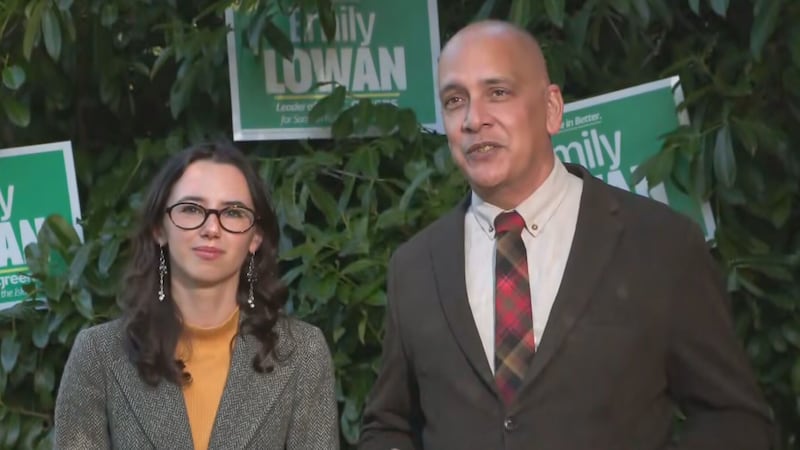
With government eying more than 4,000 empty, newly built condominiums in the Metro Vancouver area, the question of who will buy them in the end is still unclear. Tax dollars could go towards a bulk buy, but institutional investors or real estate investment trusts (REITs) could look for the same deal, with owner-residents waiting for price drops that may never happen if they’re snapped up en masse by deeper pockets. The issue came to the fore after the prime minister and B.C.’s premier began revealing details of a plan to potentially buy 2,200 of those unsold units in a rent-to-buy plan with governments essentially fronting the downpayments on condos bought at a discount. The Opposition alleges it amounts to a “bail-out” for struggling real estate developers, while government insists it’s about getting people into government-subsidized homes at an affordable price during a housing crisis. Are REITs really a problem? The B.C. Green Party has long held a policy calling for greater scrutiny and even abolition of REIT purchases of residential real estate, pointing to the impact of large-scale U.S. REITs on their housing markets. Leader Emily Lowan points out the for-profit entities can snap up large numbers of units and then force rents to remain high due to their control of a significant percentage of the rental stock in impacted cities. “This means that they can prop up prices for large segments of the housing market,” she said, adding that she’s opposed to a developer bailout. “Our system is designed to bail out corporations and developers, and that without proper affordable housing investment and policy solutions, housing profit will always find a way to defeat housing for people.” A good deal—if the price is right The firestorm over Premier David Eby and Prime Minister Mark Carney’s announcement comes largely in the face of unanswered questions around motivation and costs. To find out what kind of deal could make the mass purchase beneficial to taxpayers, CTV News asked one of the country’s foremost experts in Canadian housing and public policy. “(The discount) would certainly have to be at least 20 per cent or more, I think closer to 30 to 40 per cent,” said Mike Moffatt, co-founder of the Missing Middle Initiative at the University of Ottawa’s Institute of the Environment. He said a lot depends on timing and follow-through: if governments abandon the plan in the face of public opposition, retail consumers are likely to have another chance to wait out developers reducing prices slowly and reluctantly. Waiting out developers and making them sweat under the weight of carrying costs could also allow government to drive a harder bargain. Moffatt points out that smaller REITs already operate in Canada and that financial landlords prefer to buy entire buildings rather than piecemeal units, but acknowledges the landscape could change. “It’s worth watching out for,” he said. “If we do see one or two big players start to monopolize the market or even just move in that direction, I do think that would be something to be concerned about.”