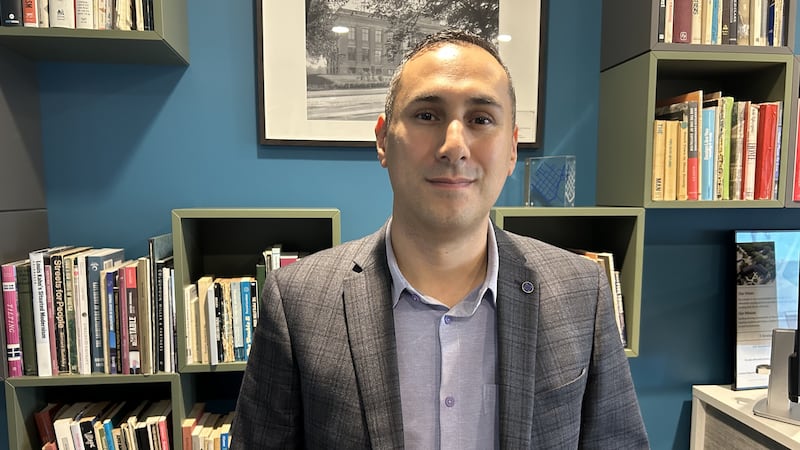
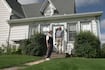
Two Richmond seniors living without stable housing are highlighting a growing issue, as more seniors across Metro Vancouver struggle to afford housing and access to the care they need. On Thursday, CTV News introduced viewers to Lance Evans and Ruth Tiahlo. Both are seniors without permanent housing, with Evans sleeping in coffee shops and Tiahlo living in a tent. “I can’t afford a cane so I use a ski pole,” said Evans, using a single ski pole to assist with his mobility issues. “It’s tough. I can’t get a room under $1,500… and I don’t have $1,500 a month.” Tiahlo described the daily reality of living outdoors as difficult and isolating. “It’s very difficult living outside, not being able to take care of yourself or have your own privacy,” she said. “It’s not right.” Advocates say their situation is part of a broader and growing trend. According to B.C. seniors advocate Dan Levitt, seniors now make up a significant portion of the region’s homeless population. “Just in Metro Vancouver, the latest housing and homelessness count was that 22 per cent of all people who are homeless are over the age of 65,” he said. Levitt says the supply of affordable housing for seniors is not keeping pace with demand. He points to long waitlists for subsidized housing through BC Housing, noting that only a small fraction of applicants are able to secure a space. Both Evans and Tiahlo are seeking permanent housing with supports, but accessing that care can be complicated. Long-term care placement is based on assessed need, and not all seniors qualify. In a statement, Vancouver Coastal Health said seniors experiencing homelessness who meet eligibility criteria, such as requiring 24-hour care or not having a stable place to receive care, are prioritized within the system. Still, both Evans and Tiahlo have cycled through hospitals and temporary shelters without securing a permanent solution. The provincial Ministry of Housing and Municipal Affairs says these situations can happen when there is a mismatch between a person’s needs and the availability of suitable housing or care spaces. “Efforts are ongoing to better co-ordinate housing and health supports so that seniors do not fall through gaps between systems,” the ministry said in a statement. The province says more housing and care spaces are planned, including projects in Richmond and across B.C. However, some long-term care projects have recently been delayed or put on hold. The City of Richmond says it continues to push senior levels of government to step up funding and support. While housing, homelessness and health care primarily fall under provincial and federal jurisdiction, the city says it invests locally by funding drop-in centres, temporary winter shelters, and supporting non-profits and faith-based groups that provide services to people experiencing homelessness. Despite those efforts, for seniors like Evans and Tiahlo, the need for housing and care remains immediate. No one from BC Housing, the Ministry of Housing or the Ministry of Health was made available for an interview.