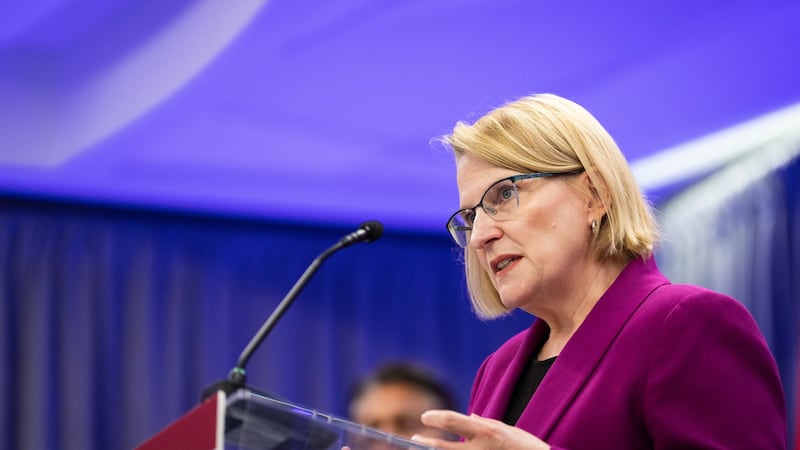
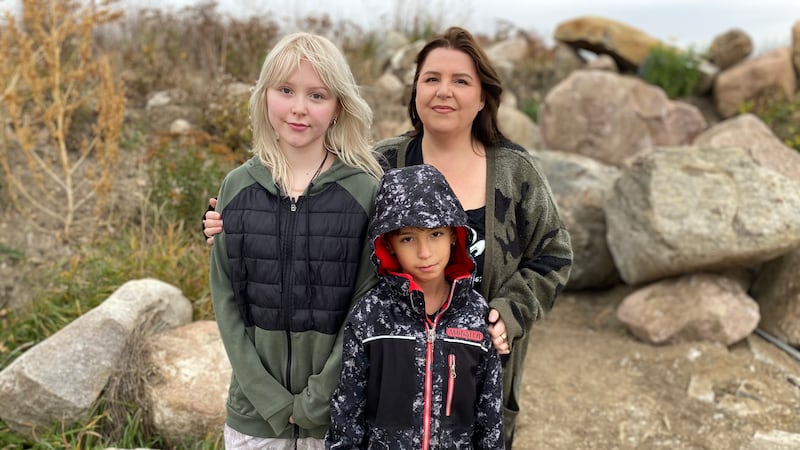
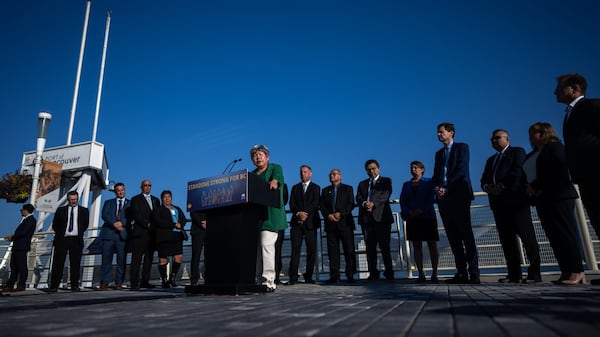
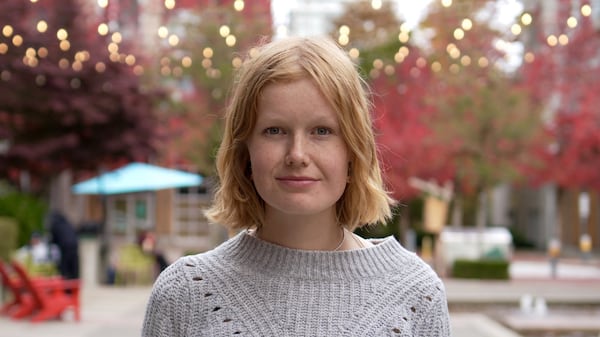
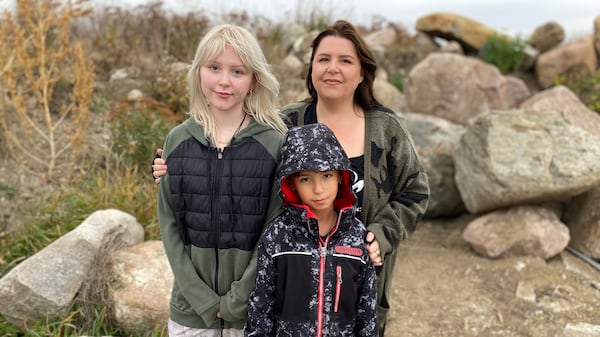
As ministries across the provincial government scrutinize spending in an effort to curb the anticipated deficit, a move to shrink virtual group health care is prompting providers and patients alike to speak up. The B.C. Centre for Long Covid, ME/CFS and Fibromyalgia has a hybrid model with one-on-one appointments and virtual group courses for patients living with chronic conditions that have debilitating effects on their lives, including partial or full disability. “Eighty-eight per cent of our patients report getting better and 17 per cent of our patients are able to return to work,” said centre co-founder Dr. Ric Arseneau, who hosts some of the virtual sessions himself and has subject matter experts like physiotherapists, nutritionists and psychologists lead other seminars. Right now, those BC-CLMF group sessions have 50 patients each, which he bills to the Ministry of Health. With policymakers planning to cap the number at 20, Arseneau says those virtual sessions – which are attended from all corners of the province – would no longer be feasible. “We save $1.2 million a year (to the health-care system) and we free up time for family doctors, emergency doctors and specialists to do what they do best, rather than having them see patients that they don’t know anything about,” he said, referencing a social impact study conducted for the clinic by MNP. Even though there are other long COVID health-care providers in the province, Arensau says 6,000 British Columbians are now patients of his clinic, a number that grows by about 2,000 each year. First-hand experiences For patients who’ve been misdiagnosed for years, the BC-CLMF clinic has been a “miracle” that’s validated their experiences and dramatically improved their quality of life. Denise Askin told CTV News she’s been living with overlapping health issues including chronic fatigue syndrome for much of her life, but had been improving until she fell ill with COVID-19. “I was completely bedbound, unable to speak or eat,” she said. “I could not care for myself; I could not care for my daughter.” After passing out several times and multiple ER visits, Askin was no longer able to work and had 100 medical appointments in one year as she sought help for her worsening health. She found it at her first appointment with Arseneau, and learned invaluable skills to adapt to her new, limited reality through the virtual sessions. “This is not a support group,” she said, admitting to significant anxiety about what could happen if the virtual sessions are discontinued. “This is my only access to safe, effective and informed medical care.” Askin is now able to go on short outings, feed and bathe herself, and start working a few hours a week. It’s a similar turnaround for Dasha Axxelson, a former nurse who used to go on daily runs in addition to her demanding job, until long COVID eroded her cognitive abilities and physical health. Accustomed to group meetings in the health-care field, she was grateful for the format of the BC-CLMF sessions she attends from Vancouver Island: Typically half an hour of structured presentation, followed by questions from patients in virtual attendance. “Instead of meeting with a (specialist) in-person for 10 minutes and trying to learn as much as you can, you actually have an hour, sometimes an hour and a half, to learn so much more,” she said. “These are all people who actually specialize in complex chronic conditions, so they’re very rare (and) would not be accessible from the majority of the province unless they’re virtual.” Axelsson is now able to attend her daughter’s Christmas concert and says, “with the clinic support, I’ve gotten some of my life back.” Taxpayer value and billings When the COVID-19 pandemic made in-person gatherings a breeding ground for the spread of the virus, the Ministry of Health made changes to Medical Service Plan billings to allow physicians to charge the public health-care system for virtual care; that policy is now under review. Earlier this year, the ministry gave notice that they intended to cap the size of virtual care groups to 20 after discovering that some physicians were billing MSP nearly $3,000 dollars for one-hour sessions of 100 patients. “There’s a lot of value in this kind of care for people who have these conditions that often leave people, like literally stuck at home and being able to access in a group setting,” said Health Minister Josie Osborne in a one-on-one interview with CTV News. “This in no way this work is to diminish the value of that, but it is to ensure that providers are able to provide that one-on-one care.” She insisted that this is not an effort to phase out remote access to health care or group sessions. “We’re not limiting the ability for it to be provided virtually, but it is important that we put some parameters around this program for physicians so that it’s being delivered in a way that’s fiscally responsible,” she said. However, Osborne left the door open for reconsideration of the planned 20-person cap. She says she continues to hear from stakeholders about the impacts of the plan, which is slated for implementation early next year.