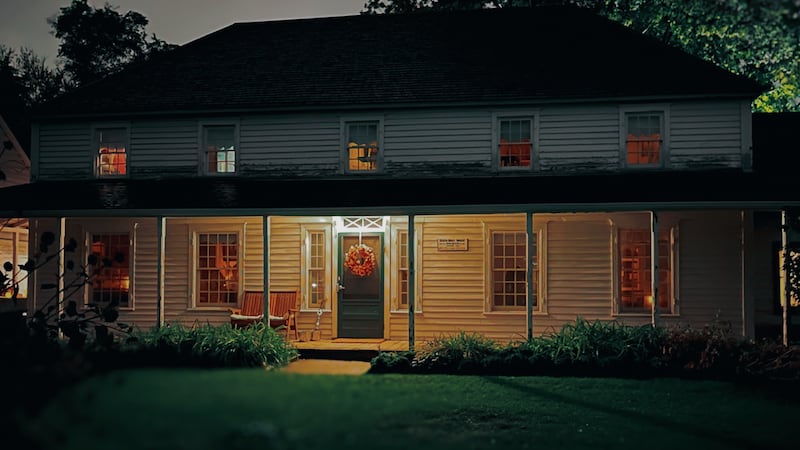
As Canadians emerge from the winter solstice, the so-called shortest day of the year, scientists are once again arguing against permanent daylight time. Clocks still need to be changed twice a year in most parts of the country, but experts say standard time is the healthier option to adopt. “That morning light is critical,” says Prof. Wendy Hall at the University of British Columbia. “You need to have that light in the morning to reset your circadian rhythms.” Our circadian rhythms, the body’s internal clocks, rely heavily on morning light to regulate things like sleep, hormones and digestion. Daylight time is popular because people love the idea of long summer nights. “I love it too,” says Dr. Raymond Lam, a psychiatrist and sleep researcher at UBC. “What they forget is what it’s like in the winter when we have permanent daylight time.” CTV News tested his theory, by imagining what the day with the least amount of light would look like if we hadn’t fallen back to standard time. The results were a very dark morning, even at 9 a.m. The idea of a permanent switch to daylight time has been tried before. During the 1970s energy crisis, the U.S. adopted it year-round but abandoned it within a year. “Because people hated it in the winter time,” says Lam.