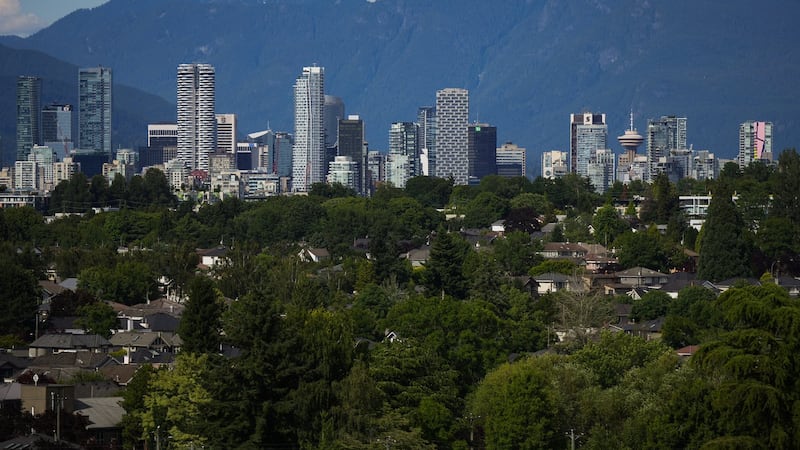
The battle to secure a tent site before another eager camper swoops in and claims it is an annual annoyance that could be escaped this upcoming outdoor season, as Metro Vancouver looks to address growing demand for outdoor adventure with an expansion of its camping sites. On Wednesday, a report outlining new potential campsites will be brought before the regional district’s parks committee. The report outlines a list of potential new sites, including three for wilderness camping, twelve for group camping and four multi-type camping sites. Metro Vancouver currently provides group campsites for 40-44 people at Tynehead Regional Park in Surrey, Campbell Valley Regional Park in Langley, Deas Island Regional Park in Delta and North Vancouver’s Capilano River Regional Park. RV and tent sites are offered at Brae Island Regional Park and Derby Reach Regional Park, while other camping facilities operated by non-profit organizations are at Aldergrove Regional Park and Belcarra Regional Park. The study identified twelve new group sites in ten regional parks, including two each in Campell Valley and South Langley and individual sites in Pacific Spirit, Kanaka Creek, Burnaby Lake, Barnston Island, Crippen, Tynehead, Widgeon Marsh, and Belcarra. The wilderness sites, typically remote locations accessible via foot, bike or boat for pack in/pack out-style trips, were selected from areas prime for development at Lynn Valley Headwaters and Thwaytes Landing Regional Park in North Vancouver. Four sites in Aldergrove, Belcarra and Derby Reach have been suggested as being suitable for multi-type campgrounds for tents, trailers, RV’s or lodges and cabins. “Metro Vancouver campgrounds are extremely popular,” the report says, describing how occupancy rates at campsites increased from 65 per cent to 86 per cent between 2022 and 2024. Between March and September this year, all of Metro Vancouver’s group campsites were fully booked. Occupancy was still high even in the off-peak months, with three to four weekends fully booked during the months of October and November, and one to two weekends fully booked in December, January and February. The yearning for outdoor recreation has been strong ever since the pandemic, with the downward trend in participation experienced before 2020 “reversed by a massive influx of first time campers,” the study said. The proffered camp site expansions could provide some relief to BC Parks which, despite an expansion of its site offerings, continues to face instant sell outs particularly during peak camping times, like the May long weekend.