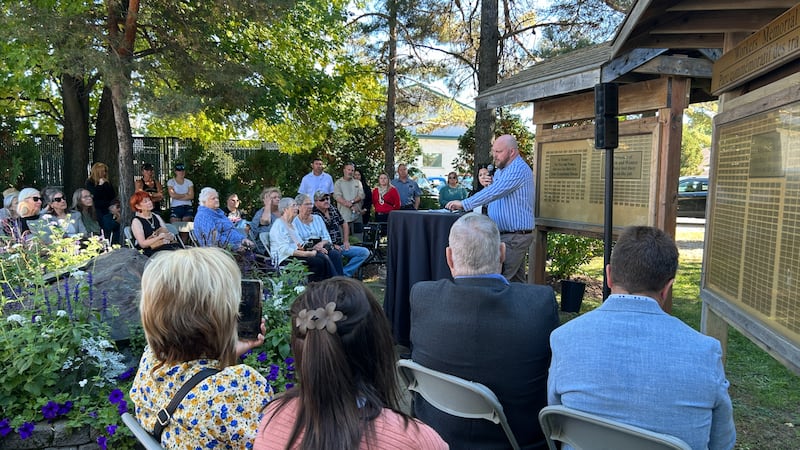
A meeting of Metro Vancouver’s Regional Planning Committee on Thursday that lasted less than four minutes saw each member make a whopping $557. The regional government body has confirmed to CTV News that each of the 13 members who attended the scheduled 9 a.m. meeting—some of them virtually—will receive the standard compensation as laid out in its Remuneration Bylaw: a $7,241 hit to taxpayers. Metro Vancouver has come under increasing scrutiny due to the North Shore Wastewater Treatment Plant boondoggle, plus it’s massive 41-person board, each member of which is paid per meeting up to a daily cap of $1,114. Some of those meetings can run hours and delve into reports hundreds of pages long, but the reverse can also be true, as it was in this case. “Metro Vancouver regularly cancels meetings when there is no substantive business, however the items on this meeting agenda required an immediate decision,” wrote committee chair and Langley Township mayor, Eric Woodward, in an email statement. Deputy General Manager of Regional Planning and Housing Development Jonathan Cote provided members with an update on development cost charges and progress on drafting a “land resource uses toolkit” for flooding, which is intended for municipal staff. There were no questions in response to the information he presented. The meeting was adjourned shortly after, with a total duration of just 3 minutes and 43 seconds. Early in the meeting, Woodward quipped, “I’m almost going to break my own record today.” Vancouver councillor and Governance Committee chair, Lisa Dominato, pointed out such short meetings are unusual and that, “most of our board meetings are upwards of four hours and there’s an immense amount of reading and preparation that goes into those meetings.” Unlike municipal governments, which only oversee certain matters within their physical boundaries, Metro Vancouver handles regionwide matters like drinking water, air quality, garbage and sewage infrastructure. Last year, an independent audit of the organization by Deloitte made 49 recommendations, which are in the process of being adopted and acted upon. Metro Vancouver has even published a public progress tracker to demonstrate which items are ongoing, underway, or pending, and the organization has now opened the future of the board to public comment. “(We’re) looking at the size and structure of the boards because, in fact, we have four boards and (we’re) looking at whether that continues to serve us well or whether we should try to reduce the size,” Dominato said. There are two upcoming webinars to explain how the process works and the options under consideration. The online questionnaire is available now and doesn’t require webinar attendance.