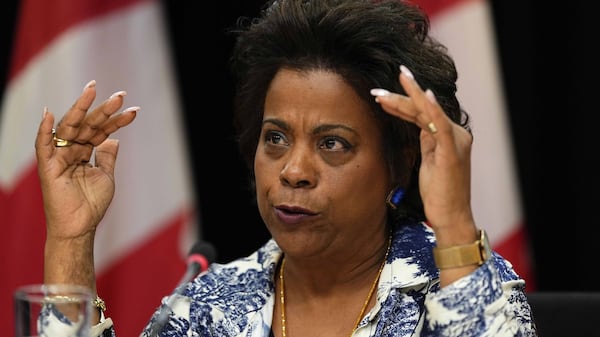
The toxic drug crisis has claimed thousands of lives across North America in recent years and policymakers have struggled to find an effective response. In British Columbia, the strategy can be summarized as this: apply, observe, and adapt. That philosophy has prompted political attacks centred on flip-flopping or backing down from policies, most notably around the decriminalization of public drug use, but health officials and the top echelons of provincial government are standing by that approach. “We’re constantly evolving our services to meet the needs of the time and certainly the toxic drug crisis has required us to do this in a continual way,” said Miranda Compton, the executive director for substance use and priority populations in Vancouver Coastal Health. While the introduction of fentanyl into the illicit drug supply has garnered the most headlines and attention, frontline support workers and analysts point out a “toxic soup of random chemicals” is constantly mutating, with overdose antidotes like naloxone ineffective against some combinations. Some politicians and a handful of physicians are calling for a stringent response including a treatment-only approach, but public health and police leaders have consistently advocated for approaching the issue as medical, rather than a criminal matter, with harm reduction efforts aimed at keeping people alive. That doesn’t mean the province hasn’t been focused on treatment options. More beds are coming online, but the process is slow and, in many communities, it continues to be confusing and time-consuming to figure out where to go for help – and even what kind of help is available. “Historically, there was a sense of futility, like ‘I’ll call and they’re going to have me wait for weeks, no matter what my situation is, no matter what my needs’ and that is no longer the case,” said Compton of the structure now in place for those living in VCH communities, including Vancouver, the North Shore, Richmond, Sea-to-Sky corridor, Sunshine Coast and Central Coast. “We now have a prioritization system, and we have a way of matching people to the right service at the right time so that nobody’s having to have that really long wait without answers,” she said. “Each person who is struggling with substance use will have a different journey that they need to go on, and our system needs to kind of adapt around their needs.” The Access Central help line operates seven days per week, and may refer patients to group or individual counselling, out- or in-patient treatment, and even housing. This is the first installment in a five-part series exploring British Columbia’s response to addiction and toxic drugs, as well as factors contributing to the crisis. Read part 2 here: Deaths of despair: Gabor Maté urges empathy during B.C.’s toxic drug crisis Read part 3 here: From shame and secrecy to Suboxone: B.C. drug users credit harm reduction for recoveries Read part 4 here: Detox wait times plummet after B.C. innovates drug treatment intake Read part 5 here: Normalizing relapse and supportive housing: B.C.’s drug recovery spectrum evolves