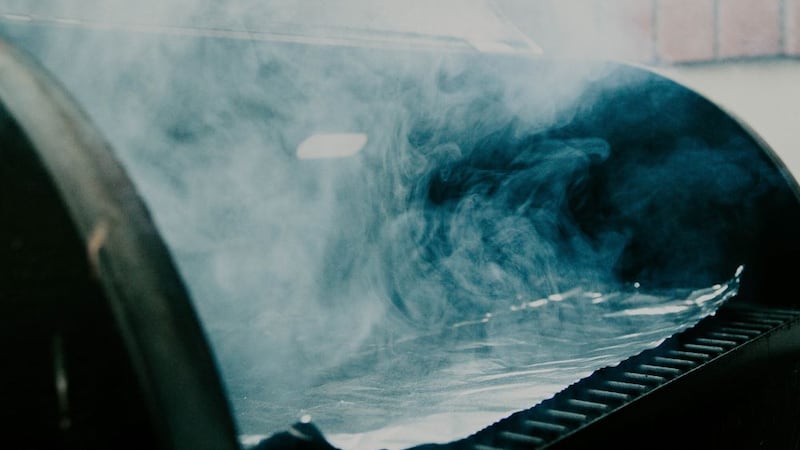
A ban on open fires came into effect across coastal British Columbia on Thursday, in an effort to reduce human-caused wildfires as temperatures rise. Categories 1, 2 and 3 open fires became prohibited at noon the Coastal Fire Centre, with the exception of Haida Gwaii where campfires remain allowed. The ban will remain in place until Oct. 31, unless officials rescind it. “This prohibition is being enacted in response to some rising fire risk indices throughout the region,” said Erica Berg, fire information officer with the B.C. Wildfire Service. Berg pointed to the dozens of wildfires that have been sparked across the province since April 1, a situation she called alarming. “That is well above the 10-year average—about double that—and above what we were seeing last year at this time,” she said. “The majority of these are due to human activity.” Category 1 fires are campfires less than half-a-metre high and half-a-metre wide, while categories 2 and 3 include open fires burning larger piles of materials or grass. The fire ban also includes other devices like fireworks, sky lanterns, wood-fired hot tubs and burn barrels. Outdoor stoves are still allowed. Fire danger ratings were moderate-to-high across the region this week, except for a pocket of extreme danger north of the Sunshine Coast, and eight wildfires were actively burning. Bobby Sekhon, meteorologist with Environment and Climate Change Canada, said hot and dry weather has created conditions necessitating the ban. What the coastal areas need is “widespread showers that would help provide some moisture to the environment,” Sekhon said. Violating a fire ban can result in a $1,150 ticket or fines of up to $100,000 and up to a year in jail if convicted in court.