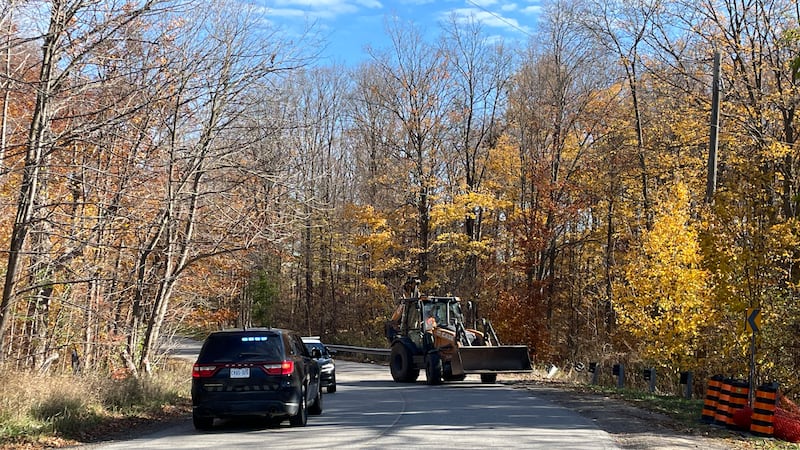
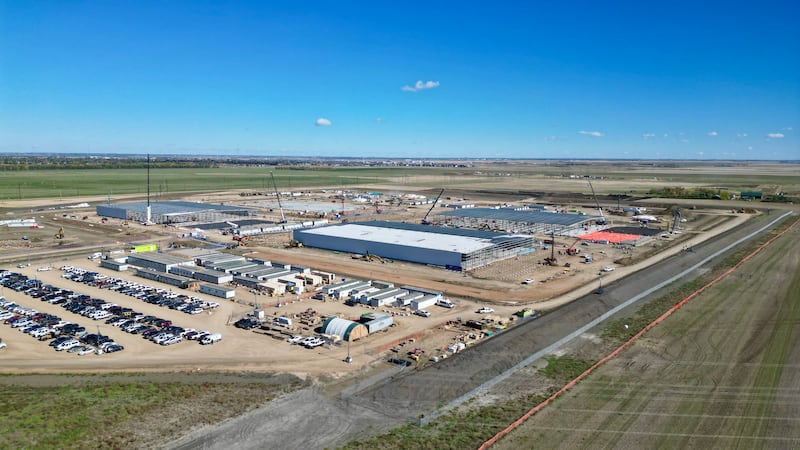
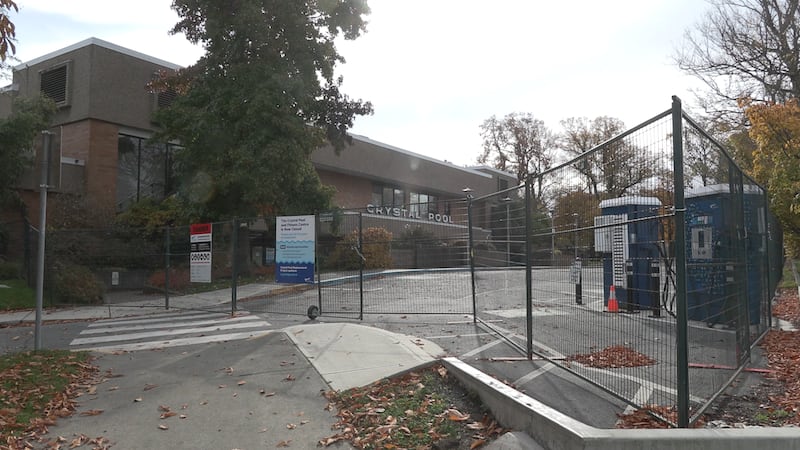
Saskatoon city councillors are being asked to rectify a nearly $22 million accounting error. A report going to members of the city’s environment, utilities and corporate services committee on Tuesday is asking them to approve a reallocation of $21.6 million from reserves to fund upgrades approved in the Biosolids Pipeline Corridor project along Wanuskewin Drive that closed the busy street for several months this summer and fall. Administration recently discovered funding approved by city council in January was already spent. “This is a big mistake,” Ward 5 Coun. Randy Donauer said. “What administration’s done is they’ve asked us to allocate the same amount of money twice, which in itself is problematic.” As part of a major upgrade to replace aging infrastructure and run wastewater services to a plant in Corman Park, the city decided to upsize the pipes during its January meeting and allocated $21.6 million to facilitate future growth in the region. Well, it turns out the city had already spent that money in 2022 and 2023 to cover COVID-19 impacts and losses, but the error wasn’t discovered until last month. “While the reallocation processes followed to offset pandemic impacts were complex, administration has identified the need for improved documentation and procedures related to historical funding reallocations to prevent this from occurring in the future,” the report reads. Donauer, whose ward is where the project is located, has many questions for administration — but two are more important than others. “We’re actually legally not allowed to approve a project unless the funding is in place, and in this case, we actually approved a $21.6 million project that didn’t have any funding allocated to it,” he said. “And so, we need to find out what happened and how do we make sure this never happens again?” City CFO Responds The city’s chief financial officer, Clae Hack, declined an interview but sent a written statement to CTV News saying the recommendation in January to use that funding source was “a result of human error.” “Extenuating circumstances such as staff vacancies, urgent nature of the report and complex nature of the city’s government funding and associated reallocation program contributed to not identifying this as part of the report review process,” Hack said. Hack said the error was discovered during the city’s annual review of all open capital projects. Since then, the city has updated some of its practices and put extra review steps on reports which include government funding. Donauer says the city is fortunate to have reserves to cover this repeated allocation and avoid a sudden hike to property taxes, but these funds were savings for future projects in 2028 and 2029. “We’ll be able to pay the bills; we’ll be able to cover that off. We’ll have to see what happens with those projects slotted for ’28, ’29,” Donauer said. Hack said the recommendation going to the committee on Tuesday is the recommendation that would have been made in January had officials not realized an alternative was available. Donauer understands the city’s reserve system bailed out administration this time, but he said this can never happen again. “It can’t be up to one person making a mistake worth 22 million bucks,” Donauer said.