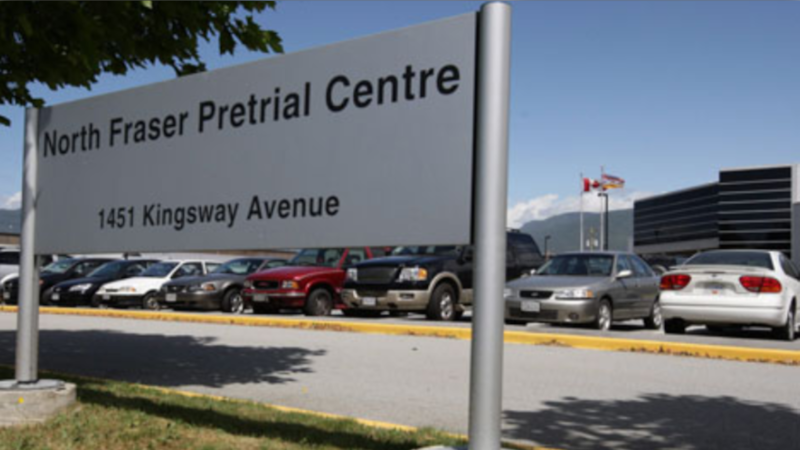
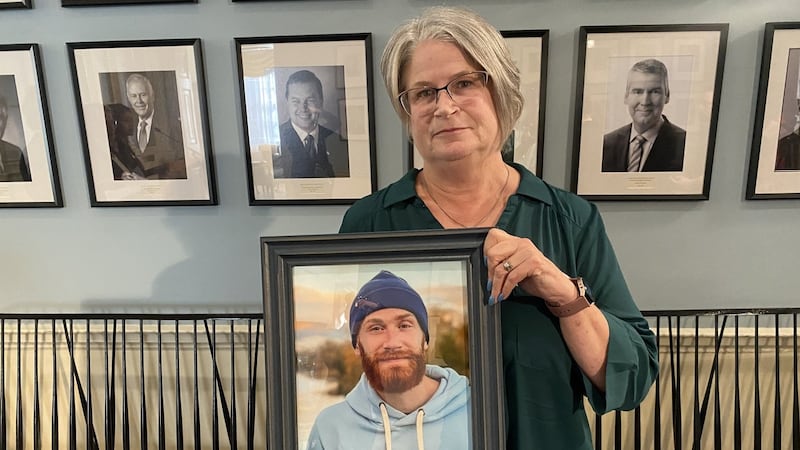
Trina Hunt’s loved ones have waited more than five long years for some sense of justice after the Port Moody woman’s remains were found near Hope in 2021. Now, a shocking intervention by the Attorney General of Canada threatens to completely derail criminal proceedings. The AG has filed an application in Federal Court that seeks to withhold evidence in the case because it could allegedly jeopardize national security. Iain Hunt reported his wife missing in January of 2021, triggering a massive search in the couple’s Port Moody neighbourhood. Two months later, Trina Hunt’s remains would be located 100 kilometres away, near Hope. Police took Iain Hunt into custody in June of 2022, but he was later released without any charges announced. Then, in February of 2025, Crown laid one count of indignity to human remains against him. A trial date has been set, but the application before the Federal Court could bring the wheels of justice to a halt. “The application seeks an order from the Federal Court under subsection 38.06(3) of the (Canada Evidence Act) confirming the prohibition on disclosure of certain information to prevent an injury to national security,” the Department of Justice said in an email to CTV News. The department declined to provide further details about the nature of the information it seeks to suppress. No hearing date has been set for a federal judge to hear arguments on the application. Patrick McCann, a criminal defense lawyer who is not involved in the case, told CTV News applications under Section 38 of the CEA are extremely rare. “It’s not common. It usually only occurs in cases involving national security, like terrorism cases, that sort of thing. However, it can pop up anywhere,” McCann said. He said it’s impossible to know what information the federal government is concerned about, but it could involve evidence-gathering techniques used in the case, or a witness whose employment involves national security, or some other concern altogether. Iain Hunt’s trial is set to start in Port Coquitlam provincial court in October. That could change if the federal judge decides to grant the Attorney General’s application, and the evidence in question turns out to be crucial to the case.