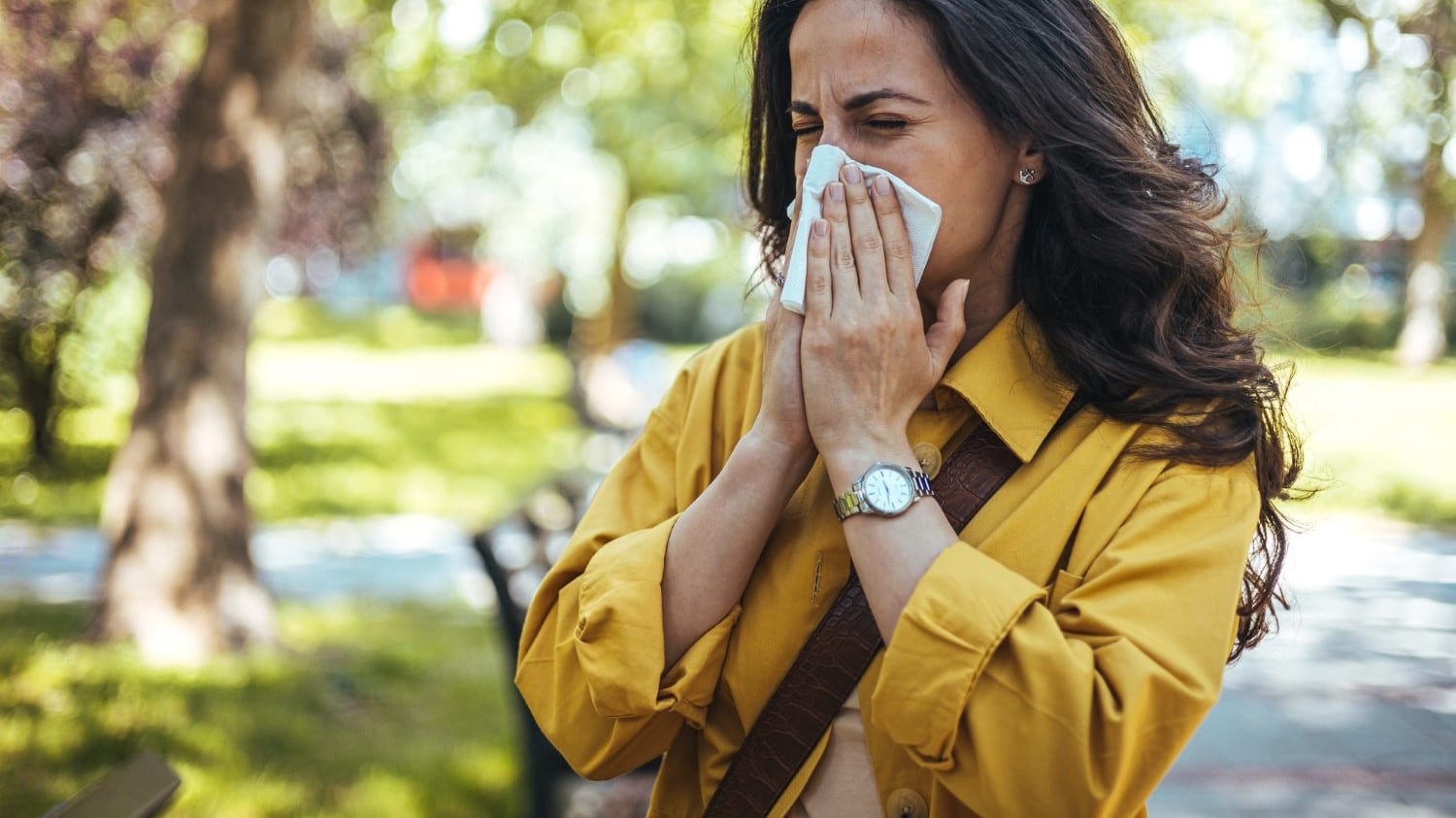
For many in British Columbia, the spring season means runny noses and loud sneezes. If it feels like your seasonal allergies are getting worse and lasting longer, you are likely not alone. According to one expert, climate change is partly to blame for the longer allergy seasons in B.C. Dr. Amin Kinani, head of the division of allergy and clinical immunology in the UBC department of medicine, says warmer temperatures and higher carbon dioxide levels are leading to longer growing seasons and more plant growth. B.C. has two main pollen seasons, with tree pollen in the air from February to June, and grass pollen season running from May to August. But according to Dr. Kinani, those seasons are becoming longer, and peak pollen counts are becoming higher, causing more pain for allergy sufferers. Suggestions for how to combat seasonal allergies include keeping windows closed indoors to reduce exposure, using an air purifier, and utilizing pollen forecasting tools and apps to be prepared. Prescription nasal sprays and antihistamines are also effective depending on how severe your symptoms are.