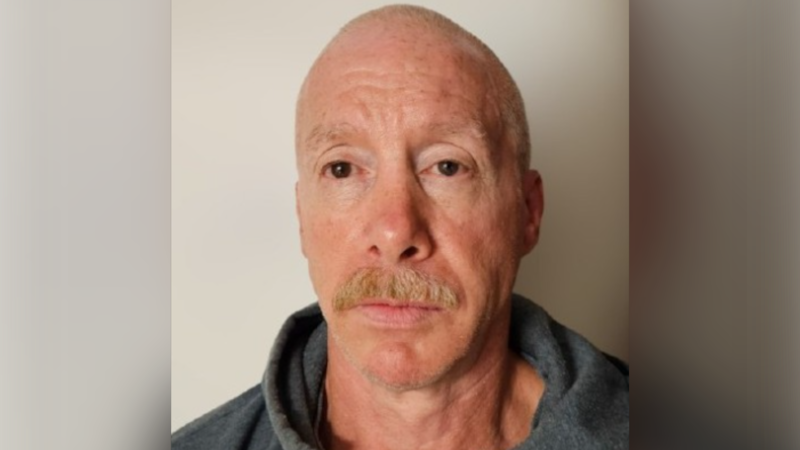
A B.C. man who had flesh on his jaw and cheek removed due to skin cancer is stunned that there was no backup power at the surgical clinic, leaving him unsure of his prognosis partway through the invasive procedure. Paul Hurst’s career as a first responder spans more than four decades, two of them as View Royal’s fire chief, so he was aghast that he was left in the dark – quite literally – while waiting to find out how much more of his skin and tissue would have to be removed Monday afternoon. “How in the hell can the power go out and there not be a backup power source?” he asked, the right side of his face heavily bandaged. “There’s the stress of the surgery, it’s a cancer surgery, and then just to pile on to that, the power goes out, and they tell you that they might not be able to complete the surgery – and I’m standing literally with a hole in the side of my face.” Hurst was being treated at an ultra-specialized skin cancer clinic, where Mohs micrographic surgeons apply local anesthetic to sensitive areas like faces and genitals to remove skin cancer, then send portions to a lab down the hall to determine if the danger has been removed. If not, they keep cutting until it’s gone, then perform reconstructive surgery in the same room. “I’m absolutely shocked that there was no backup power source in a surgical clinic,” said Hurst, who noted the exit signs were the only lights in the clinic, praising staff for keeping patients calm and informed while discussing the viability of portable generators. Backup requirements for UPCCs and clinics The Urgent and Primary Care Clinic (UPCC) attached to the Dermatology and Mohs Centre on Shellbridge Way in Richmond also lost power on Monday afternoon. While such situations are rare, they do happen occasionally, and CTV News asked both Lower Mainland health authorities what the requirements are for UPCCs and outpatient clinics. Fraser Health was clear that since their “urgent and primary care centres (UPCCs) are located in spaces such as shopping malls and office buildings where we do not have dedicated backup power systems,” staff stay on site to support patients with next steps. A spokesperson pointed out that Fraser Health’s “long-term care communities and the Jim Pattison Outpatient Care and Surgery Centre have electrical backup systems to ensure uninterrupted care.” Vancouver Coastal Health’s answer wasn’t so straightforward. What counts a surgery? All hospitals in BC are required to have backup power systems, but for non-acute settings there’s room for interpretation. In an email statement, Vancouver Coastal Health said their sites “follow the Electrical Safety and Essential Electrical Systems in Health Care Facilities standards…including on-site power requirements.” CTV News asked for clarification, since Richmond’s Mohs Centre didn’t have backup power but the Pattison surgery centre does. A VCH spokesperson said that since Mohs micrographic surgeries don’t use general anaesthetic, the health authority doesn’t consider them surgeries for the purposes of emergency power supply. It’s well-known in the dermatologic and cancer care community that Richmond’s all-female Mohs surgeons perform remarkable reconstructive surgeries that would otherwise leave many of their cancer-surviving patients permanently deformed. Their meticulous work often takes hours to clear all the skin cancer and repair the damage. “What would have happened if the surgeon was literally cutting into my face and the power went out?” asked Hurst. “I think our health authorities need to do better.”