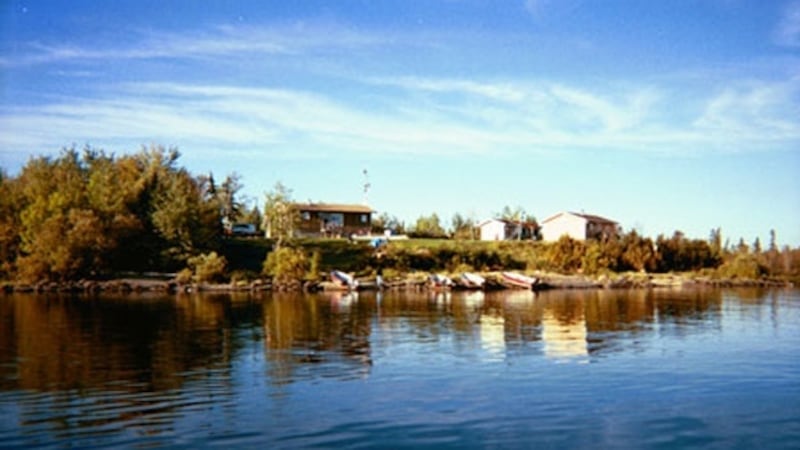
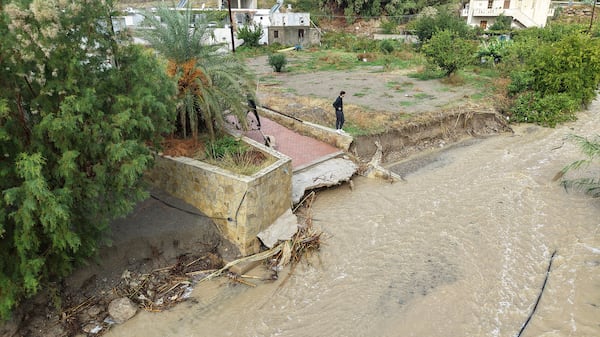
Recent heavy rainfalls have led to environmental disaster for the communities of Humboldt and a nearby lake that shares its name. In a Canada Day email to residents of Humboldt Lake, which lies less than 10 kilometres south of its namesake city, the city revealed it has been forced to dump untreated sewage upstream from the lake. Humboldt’s wastewater system has been pushed past capacity, as rain-saturated groundwater infiltrated the sanitary sewer, according to Director of Public Works Peter Bergquist. “These elevated flows are believed to be largely caused by groundwater infiltration and water entering the sanitary sewer system through sources such as weeping tiles and sump pumps.” Bergquist says the city exhausted every alternative prior to the decision, including using multiple septic and vacuum trucks to transport wastewater. “Despite these efforts, incoming flows continued to exceed our ability to manage them safely,” he said. To prevent a cascade of sewage backups across the city, Bergquist said the city initiated a temporary bypass at around 9:30 p.m. on June 30. “The bypassed flow enters Water Ridge Pond before ultimately reaching Humboldt Lake,” the public works director wrote. “We understand that any release of untreated wastewater is concerning, particularly for residents who care deeply about the health of Humboldt Lake. Please be assured that this decision was made only after all practical alternatives had been exhausted and was necessary to protect public health and prevent widespread sewage backups within the community.” It’s cold comfort to lake resident Nick Koraluk. He tells CTV News he thinks the issue could have been avoided. “Hundreds of homes around this lake that used to be full of healthy fish, now we can’t even enter the water,” he said in an email. Bergquist says the Water Security Agency and Saskatchewan Spills Response have been contacted, and the city is fully cooperating with the appropriate regulators. Bergquist says the bypass will end once the wastewater flows return to manageable levels. He said the high-water volumes have been present across the region, a factor which would help dilute the incoming sewage. “However, we recognize that residents may have questions about potential impacts to water quality,” Bergquist noted. “We are committed to providing updates as new information becomes available and will communicate any monitoring results or recommendations received from regulatory agencies.”