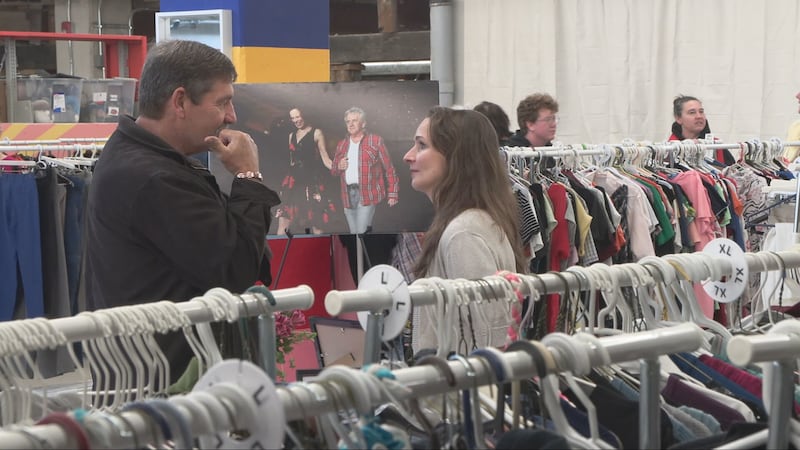
Saskatchewan’s small businesses are hoping for a boost after months of sluggish consumer spending. The Canadian Federation of Independent Business (CFIB) hopes the upcoming “Small Business Saturday” helps. As we head into the first Christmas since the tariff war started, local businesses are feeling the strain. Customers who visit The Sask Made Market in Saskatoon are making a conscious effort to shop local. “It benefits all of us in the end and by keeping the money, our tax money in our economy, it keeps helping all these little businesses and everybody benefits in the end,” general manager Peter Laosebikan told CTV News. That’s exactly what the CFIB is urging shoppers to do on Nov. 29, for “Small Business Saturday.” “It’s wedged right between Black Friday and Cyber Monday and it’s really just an opportunity to support local entrepreneurs and shop local,” Brianna Solberg, the director of provincial affairs for CFIB, explained. It’s not a new message, but perhaps more vital now. “We’re seeing confidence levels that are below historic levels. In Saskatoon, we have around half of our members saying that they’re facing low demand, so a lack of consumer spending,” Solberg says. The reality of Amazon’s appeal is very much on the minds of those we spoke to. “Everybody shops on amazon. It’s like a very, easy quick buy, but if you put in the research and like look for shops around here, you could probably find similar products, maybe even better products. You just kind of have to put in the effort to do so,” shopper Mia Thamvongs said. “Staying away from the big Amazons and the big box stores is, very key to being able to support the local economy,” another shopper, Garrin Bulani, shared. While it may be tempting to shop online, the benefit for the community just doesn’t compare, according to Solberg. “Now more than ever, it’s more important for us to support those local small businesses in our community who support local sports teams. They donate to local food banks.” At Sask Made Market, American tariffs also resulting in some U.S. customers facing extra fees, sometimes considerably more than the product itself, Laosebikan added. “They end up having like a $100 handling fee at the end that we don’t control, that they don’t control.” The market has had eight orders like this cancelled last week alone. For brick-and-mortar businesses, having customers stop by this shopping season could make all the difference. “I think about, if I want this business to be around for five or 10 years, it’s not just like if it’s convenient for me this winter, but what about next winter,” shopper Andrew Keith explained. CFIB’s statistics show, every dollar spent locally keeps 66 cents in the community, compared to just 11 cents at big-box or online retailers.