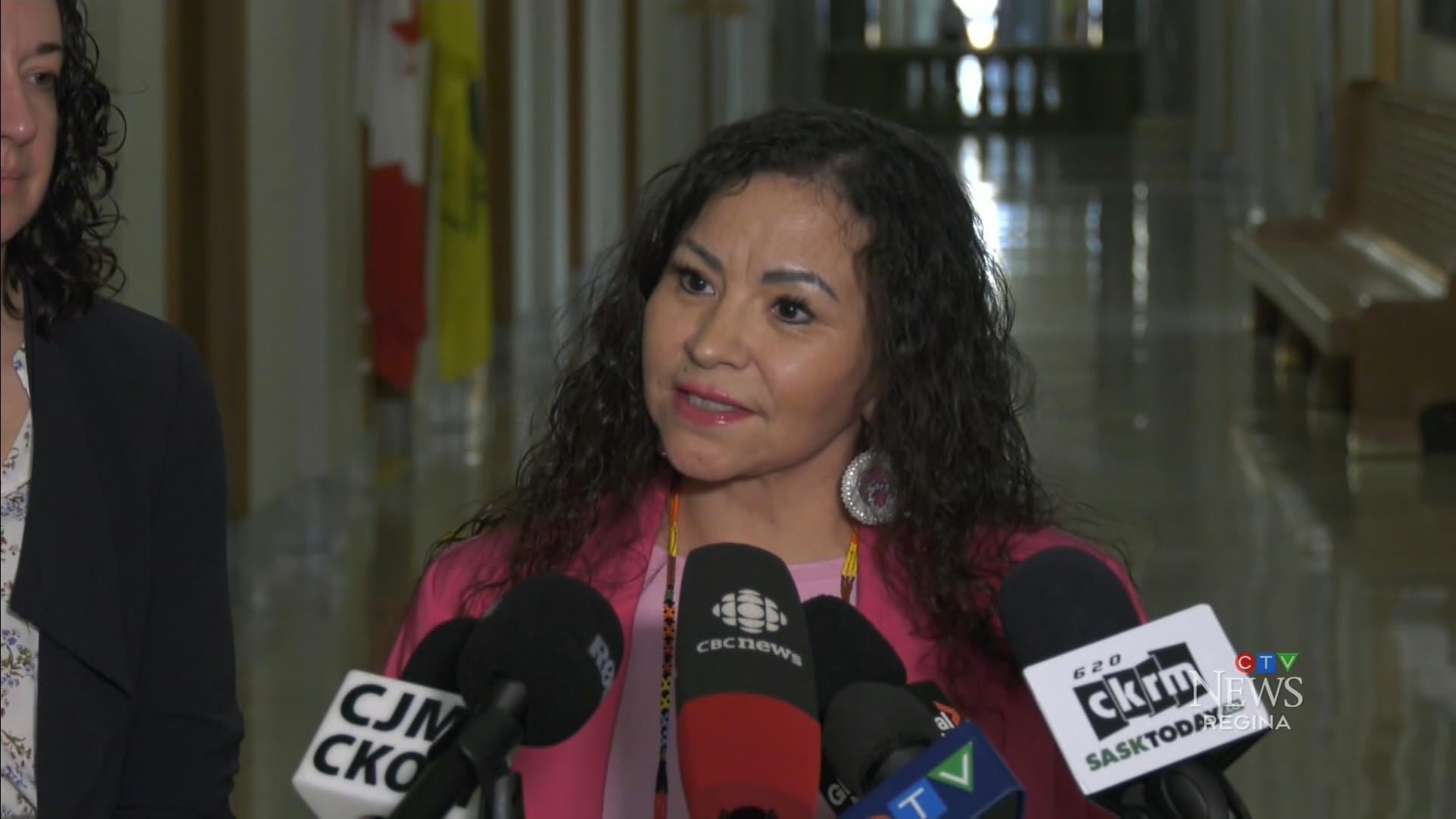
The Saskatchewan NDP are bringing forward amendments to the Compassionate Intervention Act to help those being directly impacted by addictions. The act was introduced in December by the Saskatchewan Party to create a framework for involuntary addictions treatment, as well as address the overdose numbers in the province. The new amendments include support for frontline workers, legal counsel for involuntary patients, as well as the inclusion of Indigenous supports. “These are not minor tweaks; these are essential fixes. Right now, that bill risks failing patients, families, and failing the very people it claims to help,” NDP MLA Betty Nippi-Albright said on Monday. The act is intended to provide care to individuals who are unable to seek help on their own due to their addictions. If Bill 48 is passed, involuntary treatment will become an option for these cases. “You cannot legislate yourself out of a crisis without capacity, supports and respect for patients,” said Nicole Sarauer, an NDP MLA. “There is no evidence we have enough treatment spaces right now, even for people actively seeking help, let alone those who may be forced into treatment.” The Government of Saskatchewan said a number of the NDP’s amendments are already addressed in current legislation. The province said this includes mandating Indigenous representation on the board overseeing compassionate intervention; access to a lawyer for anyone ordered into treatment involuntarily as well as keeping treatment spaces for voluntary patients separate from involuntary patient spaces. “The Mental Health and Addictions Action Plan outlines a full continuum of services across the province including withdrawal management, voluntary treatment, and involuntary treatment,” read an emailed statement from the province. “Compassionate Intervention is simply one more tool for addressing addictions challenges in our communities.” The NDP said it’s spoken to frontline workers, organizations and families impacted by the overdose crisis. Information derived from these talks is what spurred the amendments. “What will make a difference is real investment into treatment. Real support for frontline workers, and real accountability in the system,” said Nippi-Albright. Bill 48 is still before the legislature.