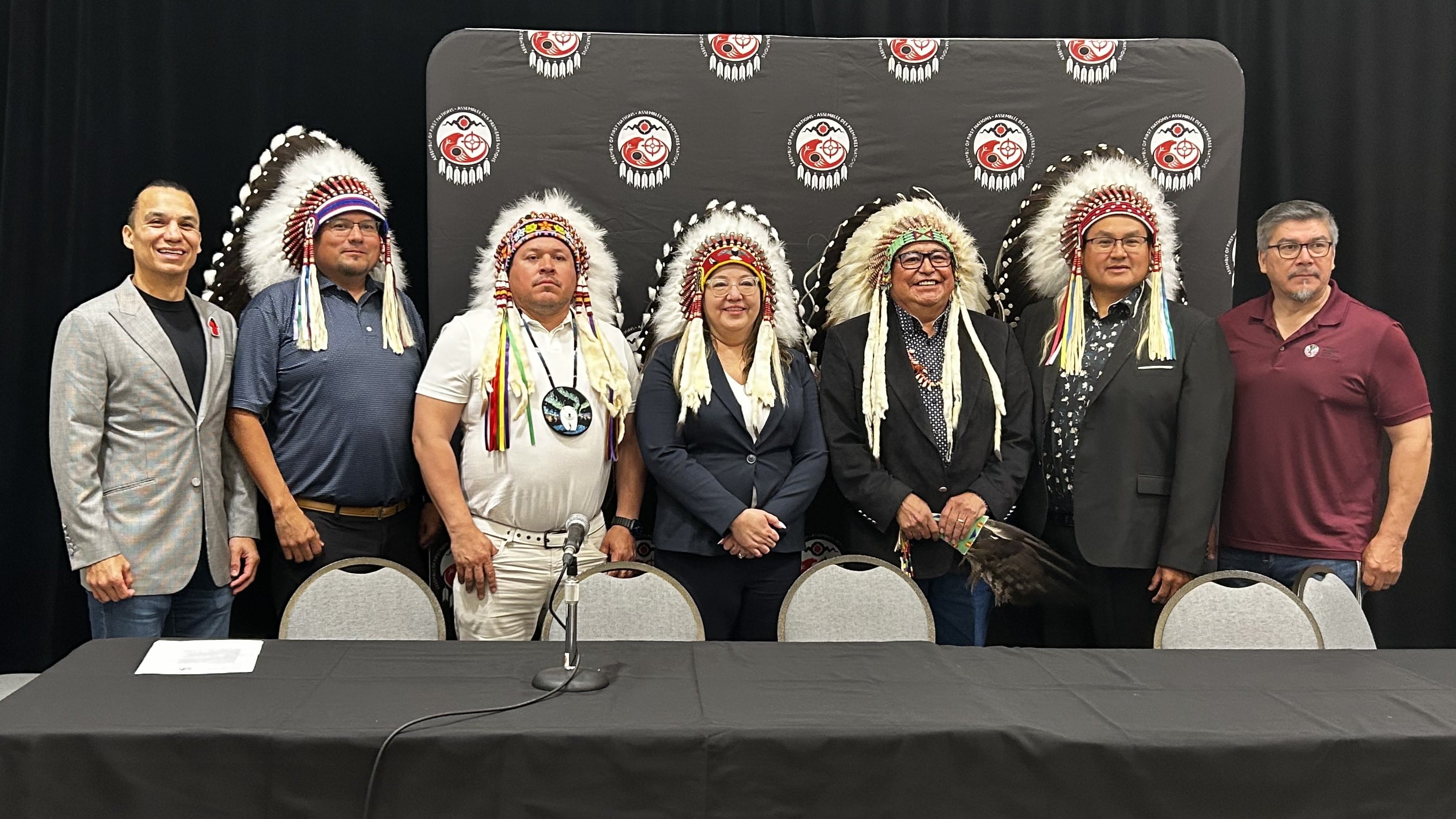
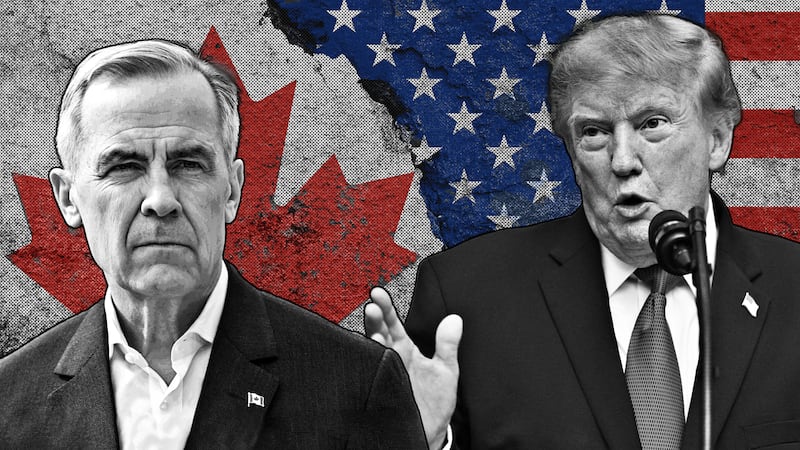
Indigenous leaders across Canada are meeting in Winnipeg this week, with the topic of major national projects expected to dominate discussions. National Chief Cindy Woodhouse Nepinak said politicians will be paying close attention to resolutions chiefs pass regarding Ottawa’s major projects legislation, Bill C-5 or the Building Canada Act, which has seen strong opposition from some First Nations leaders. The annual meeting begins on Wednesday and will be the first time the AFN, which advocates for over 600 chiefs across the country, will be handed a formal mandate to respond to all levels of government on issues First Nations people face. “Conversations are not always easy, but they are necessary,” said Woodhosue Nepinak on Tuesday. “I think on the Building Canada Act, there are a lot of unknowns.” In July, Prime Minister Mark Carney met with chiefs from across the country at the First Nations Summit in Gatineau, Que. This followed the passing of Bill C-5, which had very little consultation with First Nations, Metis, or Inuit leaders. Bill C-5, which passed in June, allows projects like pipelines and shipping ports to be fast tracked without much consultation. The government said the legislation is needed to counter economic threats from U.S. President Donald Trump. Woodhouse Nepinak said information on the major projects from the federal government has not been shared with the AFN or any other Indigenous bodies. “There are First Nations out there, and it’s up to them to say yes or no to a particular project and we don’t know what those are yet,” she said. “We look forward to debating and having discussions on policy resolutions brought forward by chiefs at a critical point in our nation-to-nation relationship.” She adds that “First Nations infrastructure priorities are matters of national interest. These needs cannot be addressed by only trinkled-down economics.” The AFN has invited federal ministers to attend the meeting, including Crown Indigenous Relations Minister Rebecca Alty. Former governor general of Canada Michelle Jean will be at the gathering, and Manitoba Premier Wab Kinew is also slated to attend. Indigenous leaders say it’s important for the federal government to listen to the concerns of First Nations people. “Major project discussions must include us because these decisions effect our people’s inherent right and treaty rights by impacting our ability to exercise our rights to hunt, fish, trap and pass on our way of life,” said Fabian Head, the Vice Chief of the Federation of Sovereign Indigenous Nations. Manitoba Grand Chief Garrison Settee says it’s not only important for First Nations voices to be heard, but having Indigenous leaders have their say on discussions regarding future projects is of the utmost importance. “Our leaders will no longer accept any arbitrary or unliteral decisions made by governments without free prior or informed consent and the duty to consult and accommodate is something that is a reality for us and we cannot forgo those processes,” he said. “This is probably going to be one of the most important conversations we will have as First Nations leaders.” The assembly will hold child welfare reform talks after chiefs voted down a 10-year, $47.8 billion agreement with Canada to reform the system last year. Other issues to be discussed include policing, healthcare, the drug crisis, and the lack of proper housing on First Nations communities. “The social economic disparities within this region are quite significant,” said Manitoba’s Southern Chiefs’ Organization Grand Chief Jerry Daniels. “Rapidly increasing homelessness within the streets of Winnipeg, the largest urban Indigenous population in Canada.” ‘Remoteness, climate change is something we see every year’ Getting around from place to place in northern Manitoba is not easy for many remote and rural First Nations communities. York Factory First Nation (YFFN), about 700 kilometres north of Winnipeg, is only accessible by road in the winter, or by boat and air throughout the summer. YFFN, including several other communities, have continuously called for all-year-around roads but nothing has ever come to fruition. Alex McDougall, the executive director of Manitoba’s Four Arrows Regional Health Authority, says this project is needed now more than ever. “There are also added costs, and logistics, in bringing supplies into these communities,” he said. “An all-weather road system coming into our remote areas would be a benefit for our members, particularly with the cost of living.” McDougall says it’s “critical” to have this infrastructure in place and looks forward to having this discussion with other chiefs at the assembly. With wildfires having threatened several Indigenous communities this summer, Chief Fabian Head said implementing proper infrastructure up north should be a priority. “When the roads are compromised, obviously the health and safety of our people are at risk,” he said. “Those are some of the areas the federal and provincial governments need to improve on, is to deploy the resources as soon as possible and not wait until much of the nations, much of our traditional territories are burnt.” “The ‘let-it-burn’ policy does not work for our people. We have lives, we have our lands, we have our fishing lands, our waters to protect and we can’t wait for last minute help from the provincial and federal governments,” said Head. The Assembly of First Nations summit will last three days, until Friday Sept. 5.