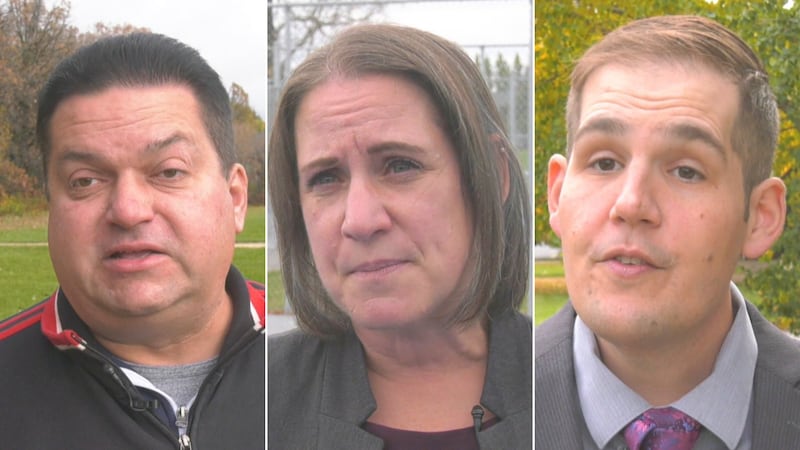
A recent survey is painting a clearer picture of the financial strain facing many Canadians. Harris and Partners, a bankruptcy insolvency trustee, conducted a nationwide survey of 2,664 Canadians to see how rising costs, economic uncertainty, and shifting financial realities are affecting people’s lives. The survey results were released this month, and it found that most Canadians are changing how they spend money because of rising living costs and economic uncertainty. Key findings from the survey include: Joshua Harris, whose firm is behind the survey, says, “The results were certainly shocking. We usually see these kinds of numbers come out in the in the 70 to 75 per cent range. What we’re seeing right now is that the cost of food and the cost of gas is really affecting middle-class people, people who work, who have to get to work, have kids.” The survey also found that about half (49 per cent) have cut overall spending. About 1 in 5 Canadians (22.4 per cent) are delaying major purchases, dipping into savings, or relying more on credit. Harris says, “They’re delaying things like having a barbecue with their family because they can only afford rice or soup or whatever it is. (They are) delaying maybe going to a doctor’s appointment that’s a little out of the way because they can’t afford the gas.” Harris says this is making family trips and big renovations projects nearly impossible for some. Many consumers in Ottawa say they are feeling the pressure on their pocketbooks. “The gas prices are just crazy. And then you try to get find deals wherever you can because it’s crazy out there,” says Denis Grenier, who says he searches for sales and may delay his summer vacation. Johnny Bounnapha says, “We do have to be careful and watch our spending habits. We have two kids at home, so even with double income, we’re just surviving. It’s tough.” Pam George is worried about the future for her children, and their financial stability. “That’s what breaks my heart as a parent, to think that I’m trying to help them to get in the best financial state they can when they finish university, or when they finish school to try to be able to get there. But they don’t have that ability like I did when I was 22.” The survey says Canadians increasingly feel financially vulnerable, with 91 per cent worried that events outside their control — such as job loss, inflation, or unexpected expenses — could quickly destabilize them financially.