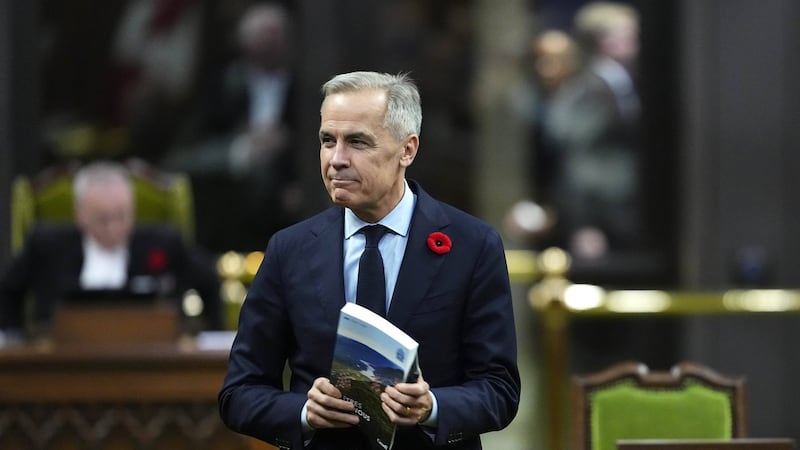
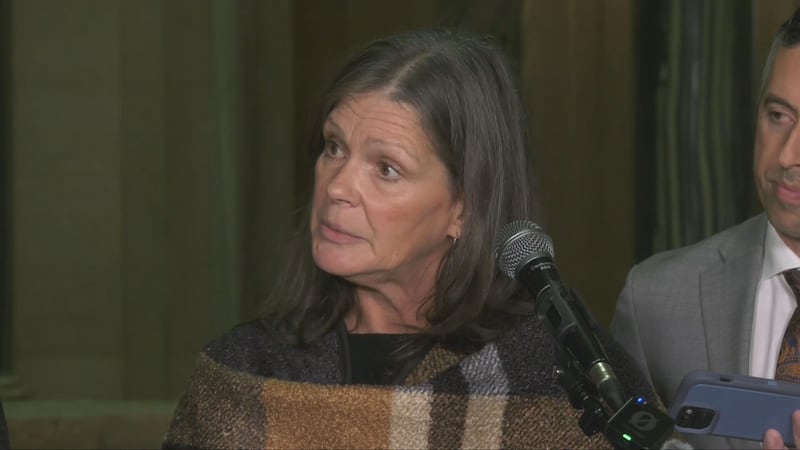
Ottawa City Council has voted 17 to 7 to endorse provincial legislation that would give expanded enforcement powers to OC Transpo special constables to arrest and fine people using drugs on public transit. The plan is part of broader legislation passed in 2025. Under the bill, special constables would have the authority to tell people to stop using drugs or to leave a transit station or vehicle. If the individual does not comply, special constables could issue fines or make arrests. The government says the aim is to reduce drug use on public transit systems in Ontario. A motion moved by Coun. Stéphanie Plante calls on the City of Ottawa to endorse the proposed regulatory amendments and directs the mayor to write to the Solicitor General before March 1. Plante told councillors on Wednesday that her motion does not grant these powers to special constables. It is simply informing the provincial government that the city is in favour of the idea. “This is something the province is discussing with residents, and we are providing our comments into that portal,” Plante said. “We have the endorsement of our police chief, several deputy chiefs, the general manager of emergency and protective services… we met with them directly and the mayor’s office consulted with them as well.” Troy Charter, interim general manager of Transit Services, also said he endorsed the plan. Mayor Mark Sutcliffe and councillors Tim Tierney, David Brown, Glen Gower, Isabelle Skalski, Matthew Luloff, David Hill, Steve Desroches, Laura Dudas, Wilson Lo, Jessica Bradley, Clarke Kelly, Riley Brockington, Allan Hubley, Sean Devine, and Catherine Kitts voted alongside Plante in favour of the motion. Councillors Theresa Kavanagh, Cathy Curry, Jeff Leiper, Ariel Troster, Marty Carr, Shawn Menard, and Rawlson King voted against it. Coun. Laine Johnson was absent. Special constables have some authority already Currently, OC Transpo special constables have the authority to lay criminal charges under federal legislation, according to OC Transpo Chief Safety Officer Sabrina Pasian. This provincial legislation would grant additional authority to lay provincial offences, which would not be put on someone’s criminal record. “It would have to meet the requirement under the legislation and of course there’s discretion and circumstances that they (special constables) would take into account,” Pasian said. She said special constables would receive additional training beyond the training they already receive for their authority under the federal Controlled Drugs and Substances Act. “If the amendments to the act are approved, then the Ontario Police College, we anticipate, would update their mandated curriculum that we are required to train on and we train our special constables on. This new act would require them to receive additional training to address the provincial changes,” she later told reporters. Special constables already receive use of force training, Pasian added. “Special Constables employed by OC Transpo have the authority to investigate, arrest, and lay charges under the federal Controlled Drugs and Substances Act (CDSA) when dealing with possession of illicit drugs. As such, they do not require Ottawa Police Service to attend, unless the Special Constable reasonably believes the offence involves trafficking,” Pasian said in a statement, received on Thursday. “As sworn Peace Officers, Special Constables have the authority to intervene when they observe unlawful or unsafe behaviour on the transit system and to take appropriate enforcement action within their jurisdiction to protect the safety and security of customers and employees. “In the case of most drug offences our officers are addressing, the only potential delay to bus or train service would be the brief dwell time required for Special Constables to board and address the matter. “Special Constables are not required to wait for Ottawa Police in order to enforce provisions under the CDSA.” Concerns about disenfranchised population Coun. Ariel Troster raised concerns about increasing policing powers that would be aimed at vulnerable people struggling with substance use addictions. “If people can’t pay, if they’re so disenfranchised from the system that you can’t reach them, how is that a deterrent?” she said. “We’re talking about a really unwell part of the population. Anyone who feels they need to use drugs in a transit station, I’m not saying it’s good, but this provincial government closed the supervised consumption site in my ward, has allowed the proliferation of private addiction clinics that hand out narcotics with impunity, and is now saying they want to crack down even more on people who have no other options.” Speaking on Newstalk 580 CFRA’s Ottawa Now with Kristy Cameron, Plante said moving people into provincial offenses court could be an avenue to getting them treatment. “What typically happens in these scenarios is people will get an accumulation of tickets for a variety of things, not just public drug use, and then it’s often used in provincial offences court as a way to leverage to get people into treatment or to get people into housing,” she said. “They’ll say, ‘We’re going to clear your file … but you have to go meet with a case worker, get out of the shelter system, get into supportive housing.’ And then, there will be conditions in and around that.” Drug use a regular complaint Charter told councillors that complaints about drug use are common, particularly at Rideau Station in downtown Ottawa, which is in Plante’s ward. “We do regularly hear from customers and staff of concerns of not just the look and the feel of the station but that feeling of safety and security when accessing parts of the transit system,” he said. “We have heard those concerns at Rideau Station. It’s one of our highest calls for service. It’s where we dedicate a lot of time with our special constables and it is something that we’re acutely aware of.” Plante said the provincial legislation would allow Ottawa’s transit constables to further address issues without requiring Ottawa police. “My understanding is part of our broader objectives is to ensure police resources are not being used for matters that are better addressed through appropriate health and community-based responses,” she said. “We would be diverting police. This is something we want to do.” Pasian told reporters after the council meeting that the city would still need to approve granting the new powers if the provincial legislation is approved. “It would still need to go to the Ottawa Police Services and through legal services to be added as one of the authorities that our special constables could enforce through our memorandum of understanding with the Ottawa Police Service,” she said. Mayor Mark Sutcliffe told reporters he’s heard concerns from residents about drug use on the transit system. “What I hear from residents is that they’re concerned about safety and security on buses and trains. That they’ve witnessed incidents that have been of concern to them, that have caused them worry,” said Sutcliffe. “We need to have all the tools that we can at our disposal in order to manage that situation. This isn’t our decision, it’s not our legislation, it’s a provincial matter, but we’re indicating our support for having more tools available to special constables so that they’re able to do whatever is necessary to keep our public transit system safe as our residents expect.” The Ministry of the Solicitor General is taking public comments on the legislation until March 1.