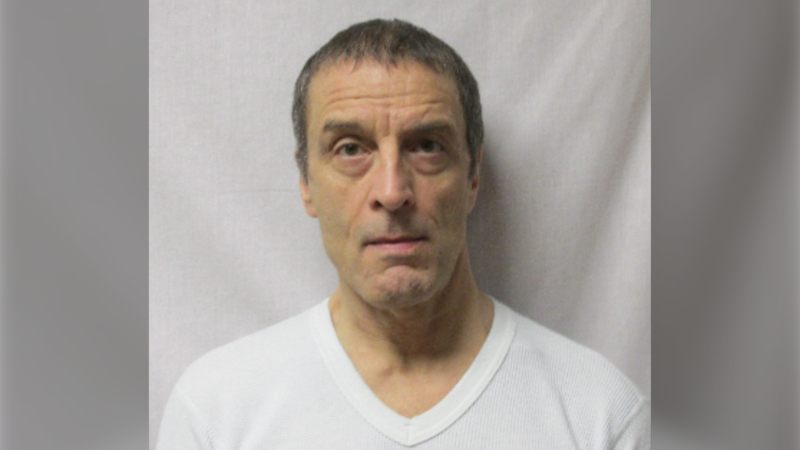
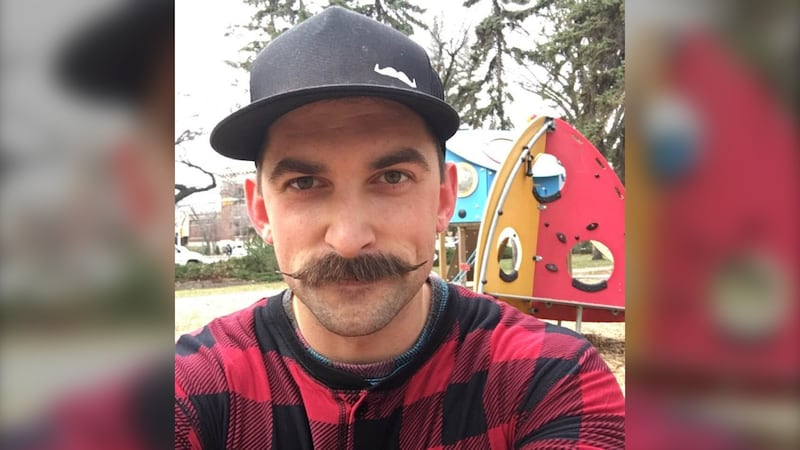
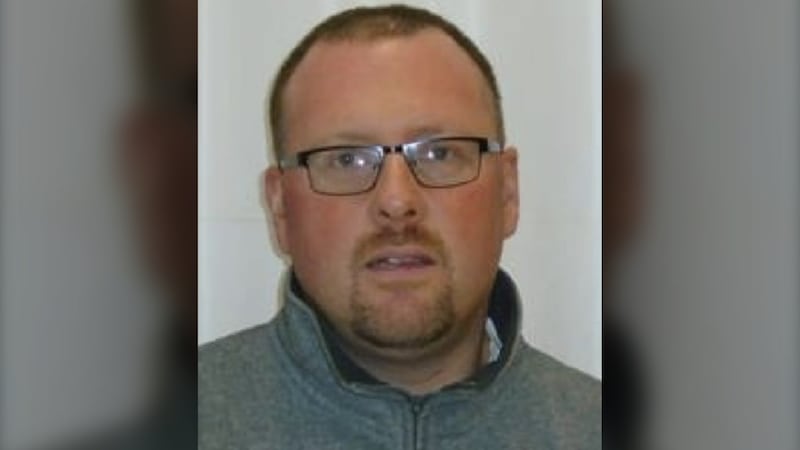
More than a year after Ontario pulled the plug on photo radar cameras, Ottawa’s former police chief is proposing a new system that would hold the person behind the wheel accountable rather than the owner of the vehicle. Charles Bordeleau is calling on the province to introduce a Driver-Accountable Automated Enforcement Act, which he says would address some of the concerns raised by the Ontario government about the previous photo radar system. Bordeleau served as the chief of the Ottawa Police Service from 2012-2019. Under his proposal, front-facing cameras would photograph the driver caught speeding instead of the front licence plate. Rear-facing cameras would continue to capture licence plates. Drivers would face fines and demerit points, similar to being pulled over by a police officer. “You’re attaching demerit points to the driver, because you’re going to try and treat it as though a police officer was stopping you on the road,” Bordeleau told CTV News Ottawa on Saturday. Registered vehicle owners would be legally required to identify who was driving at the time of the offence, with officials comparing the image captured by the camera to a driver’s licence photo to confirm their identity. Vehicle owners who refuse to identify the driver or knowingly provide false information would face separate penalties. Bordeleau is also proposing several privacy safeguards, including blurring the faces of passengers, prohibiting facial recognition searches and deleting images once cases are resolved. He is suggesting a minimum enforcement threshold of 15 km/h above the posted speed limit, though he says that could be adjusted by policymakers. The proposal is generating mixed reactions among drivers. Wayne and Joanne MacCallum were travelling to Ottawa on Saturday to do some Christmas shopping and had already been discussing the potential return of photo radar cameras before speaking with CTV News Ottawa. While Wayne supported the province’s decision to remove the cameras last year, Joanne sees merit in Bordeleau’s proposal. “This way here it’s not your vehicle getting charged. You’re actually getting charged, so, I agree more with this system,” Joanne said. Wayne expressed reservations about introducing demerit points, saying he would prefer a system that only issues tickets. Drivers going faster at former speed camera locations, data finds Data collected by the City of Ottawa shows drivers were travelling between 5 km/h and 11 km/h faster at eight former photo radar locations in October compared to the same month in 2025. Fewer than 30 per cent of drivers were complying with the posted speed limit at former camera locations on Longfields Drive, Meadowlands Drive and Bayshore Drive last month. Rideau-Vanier Coun. Stéphanie Plante has been advocating for the return of speed cameras, raising concerns about road safety along King Edward Avenue, where she says three schools are located nearby. Plante says municipalities need access to more technology to address traffic-related issues. “Our cities are growing. They need to adapt to these new realities,” Plante said. “I’m a proponent of using evidence-based technologies to make that happen.” Earlier this week, Ottawa Mayor Mark Sutcliffe asked Premier Doug Ford to reconsider allowing photo radar cameras in school zones during a meeting at Queen’s Park, but the request was rejected. Province funding alternate traffic calming measures In a statement to CTV News Ottawa earlier this week, a spokesperson for Transportation Minister Prabmeet Sarkaria said the government believes physical traffic-calming measures are a better approach. “Too many municipalities were using speed cameras as a cash grab rather than a safety tool,” the spokesperson said. Plante disputes that characterization when it comes to Ottawa’s former program. “As we know, in Ottawa, the money from speed cameras went back into traffic calming. It didn’t go into general revenue,” she said. The Ontario government has committed $210 million through its Road Safety Initiative Fund to help municipalities implement alternative traffic-calming measures. Ottawa has received $4 million, with an additional $19 million expected from the province. City officials previously told CTV News Ottawa that speed humps and speed cushions would be installed at all suitable former photo radar locations by the end of 2027. Meanwhile, Bordeleau says he is reaching out to the Association of Municipalities of Ontario and speaking with his local MPP in an effort to gain support for his proposal. “It’s not too late,” Bordeleau said. “If you want to protect Ontario, enhance road safety, save lives, this is an effective program that works.” With files from CTV News Ottawa’s Josh Pringle