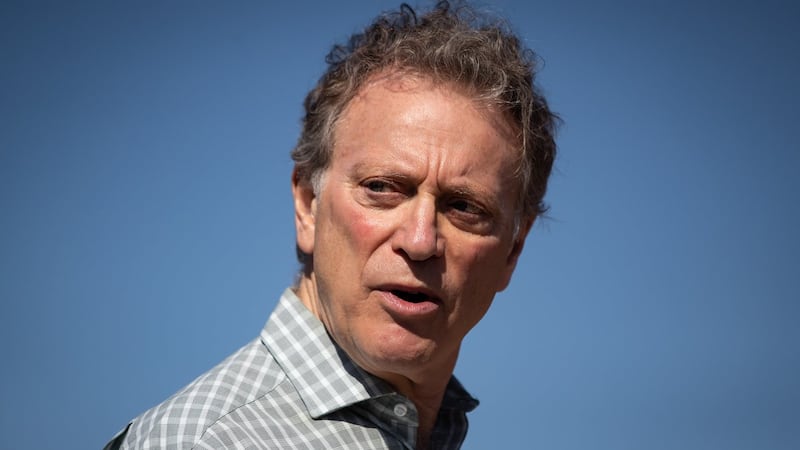
Canada’s standing as a global leader on climate action is facing renewed scrutiny, with critics questioning whether the country is doing enough to meet its emissions targets as international efforts to combat climate change have lost momentum. Just a few years ago, Ottawa was widely considered a leader on climate policy. Now, some within government are raising concerns about the country’s direction. Liberal MP Will Greaves, who represents a British Columbia riding, recently penned an op-ed in the Toronto Star stating he’s worried about Canada losing its climate credibility. “I think the op-ed speaks for itself,” he told reporters on Parliament Hill. Greaves said the concerns are not new and have been raised within the party since the federal election. “Of course, these are issues I’ve been raising and others have been raising since the election.” Environment Minister Julie Dabrusin has said the federal government remains committed to its obligations under the Paris Agreement, including reaching net-zero emissions by 2050. But two former environment ministers, Catherine McKenna and Steven Guilbeault, have publicly stated they don’t think Canada will meet its targets, while climate advocacy groups have also raised concerns. Dr. Anabela Bonada, managing director of climate science at the Intact Centre on Climate Adaptation, says the lack of progress is particularly concerning as the impacts of climate change intensify. “It just feels like we’re going backwards on an issue that is accelerating at full speed towards us,” Bonada said. She warns that even if countries make significant progress on emissions reductions, some of the effects of climate change are already locked in. “Until 2040, the changes that we have already caused are irreversible. So, there’s a part of climate change that’s already baked into the system by 2040, which means more flooding, more wildfires, more extreme heat,” she said. The consequences are already being felt in some industries, including health care. Ottawa pharmacist Shellyza Sajwani attended this year’s United Nations climate conference, COP31, advocating for greater resilience in the pharmaceutical industry. She says extreme weather events, including flooding and wildfires, can disrupt access to medications when pharmacies are forced to close for days or weeks. “The access to medications is extremely, extremely vulnerable to the impacts of climate change,” Sajwani said. When patients are evacuated or pharmacies are unable to operate, ensuring prescriptions reach those who need them can become increasingly difficult. “The access to medications becomes a lot more challenging because that patient sometimes gets evacuated, but whether the prescription is able to follow, all of those processes are really, really challenging,” she said. Regardless of whether Canada meets its Paris Agreement commitments, experts say extreme weather events linked to climate change will continue. They say preparing for those impacts, including strengthening critical supply chains and infrastructure, will need to be part of Canada’s response.