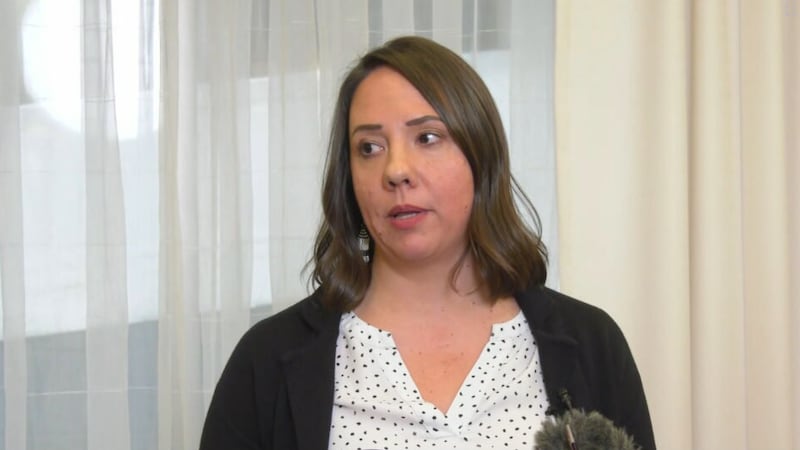
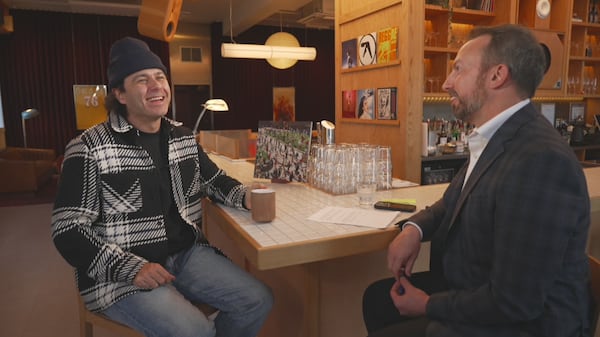
While hairy upper lips have become a stylistic choice for many men come the month of November, advocates say the importance of what ‘Movember’ raises awareness for does not stop at the turn of the calendar. Adam Kletchko grew his first mustache for Movember 17 years ago. “We’re a group of just kind of like dedicated ‘mo bros and it’s evolved over the years,” he said in an interview with CTV News. “We saw a Movember ad and I thought it would be a really fun way to have an excuse to grow a mustache.” Now, Kletchko is a ambassador for Movember’s international campaign, hosting local fundraisers like the ‘Hot Ones’ challenge. What started as a challenge amongst coworkers to see who could grow the best ‘stache in a month, has turned into more than $50,000 in money raised in support of men’s health and mental health initiatives. “I’ve gone through different versions of the mustache,” Kletchko explained. “But now, the only time you’ll catch me clean shaven is November 1st. I’ll always have a mustache year-round.” History Movember first began as a joke amongst friends created over drinks 22 years ago. “Two friends sitting at a bar came up with this idea, ‘Hey, why don’t we bring back the mustache?” said campaign director of fundraising Mitch Hermansen. “Three of them did it the first year, they had a great time, but that’s all Movember was. It was just a fun thing to do.” The inaugural Movember challenge did not raise a single cent; it was not a charity just yet. “What they realized though, was mustaches started conversations,” explained Hermansen. “People come up to them being like, ‘What is that on your top lip? Is that dirt?’ Girlfriends were mad, wives were upset. So the guys knew they’re on to a good idea.” Now, the annual movement has spread to over 20 countries around the world and has raised more than $1 billion. Over the years, its focused has evolved as well. First raising money for prostate cancer research, Movember has added testicular cancer to their awareness efforts as well. In more recent years, many participants have highlighted growing challenges with men’s mental health. According to Statistics Canada, men have a life expectancy of about 80 years – that’s five years less than women. Men are also less likely to engage with primary care or access preventive services, including health screening, with 65 per cent of Canadian men waiting more than six days with symptoms before visiting the doctor. Hermansen says societal norms and stereotypes play a factor. “[Men] are often slow to take action,” he added. “We’re told to, ‘Suck it up, be a man, do things on your own, don’t ask for help.’ And that translates into us putting off going to the doctors.” They also experience higher rates of mental health-related issues like substance abuse or suicide. “Sadly, in this country 75 per cent of suicides are by men,” said Hermansen. “This is a month to remind guys, part of being strong and tough; there’s time in life to do that. But part of being strong is also knowing when you need that help.” Mustache you a question Hermansen believes the mustache is just one avenue to open the door for conversation. “We’re talking about cancer, mental health and suicide; these aren’t always [the] easiest topics to talk about.,” he said. But people do like to talk about mustaches.” Those are causes close the heart of Regina’s mayor. Since coming into office in late 2024, Chad Bachynski has not been shy about his advocacy – and own struggles – with mental health. “Especially in this role, I’ve learned even more why it’s important to look after your own mental health and finding ways to do that,” he told CTV News Friday. “It’s difficult, right? We live in a world that has platforms and ways for people to have their opinions on things. I would say a lot of times those opinions are shared in a way that’s very inappropriate, and in ways that can impact somebody’s mental health – whether intended or not.” Bachynski has been growing his own mustache and raising money for Movember the past several years. He says having a support team around him has helped through some difficult times as mayor. “I share my own personal journey and those strategies because I need to make sure I’m present for my family and in a good headspace,” Bachynski said. “There’s been low spots for sure where it’s hard to pick yourself up and keep going every day. When I leave this office and go home, I’ve got two young kids that expect me to be dad.” Whether the mayor of a city or working a part-time job, Bachynski believes mental health challenges show no prejudice and may impact anyone. “We’re all human and we need to recognize that, regardless of the position you hold or the title that you have, it doesn’t matter,” Bachynski added. “We all should be treating each other with kindness, with respect. We can disagree – but I think at times we’ve lost the art of being able to disagree respectfully.” Continuing the conversation While the calendar will flip to December Tuesday – and many mo’s will be shaved – Kletchko says the challenges men face remains. “Our mustache acts as a hairy ribbon,” he said. “Other campaigns, they have a kind of ribbon to show support. But this is our ribbon, it’s a walking billboard for a conversation.” That is where a group like the Men’s Mental Health Support Network (MMHSN) can come in. Logan Harland founded the network in Saskatoon about two years ago. He hosts a group session of around 20 men twice a week, bringing them together to talk about their challenges. “We just have an opportunity for men to just really open up, feel, not feel judged and just be validated and understood,” Harland said. “It’s just very easy for guys to talk like we’re sitting down at the pub, except there’s no alcohol.” Harland says initiatives like Movember are important because they spur the conversation. However, keeping it going is the next step. Doing so can be quite simple. “It’s just checking in with men,” he said. “It’s opening up if you’re a man, or if you’re a wife or a kid or a brother or a friend, like ask how they’re doing, offer a hug and allow that emotion to happen.” While Harland believes group sessions like the MMHSN can be a big help, he also says it does not have to be that sort of setting. It’s not always a men’s support group,” Harland suggested. “But go to group counseling; if you deal with addictions, go to NA or AA or whatever it might be – search for those things.” “But if it’s not a therapeutic group, join a pickleball club, join a hockey team. It’s important to have that physical activity and that healthy outlet with people who have common interests; it’s just finding groups of people you feel you belong to.” Kletchko says the mustache can help remove the stigma surrounding those conversations. “Those are the ways we can try to break down those barriers and have those conversations,” he said. For more information about Movember and how to get involved, click here.