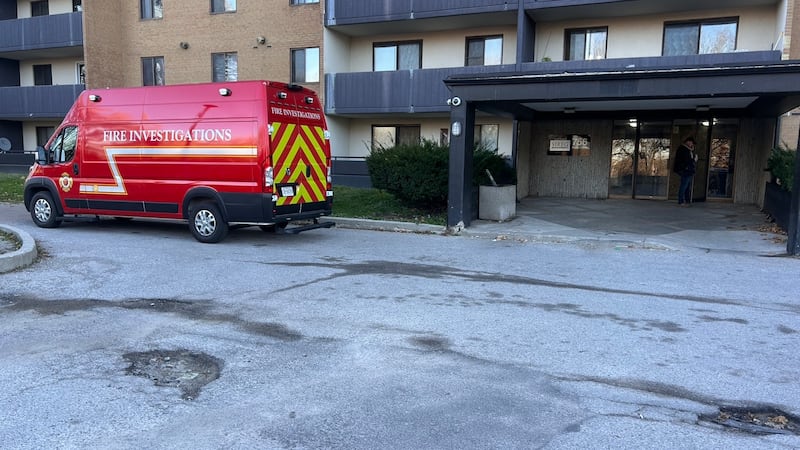
Ottawa Fire Services responded to a carbon monoxide (CO) call in Orléans Friday morning, thanks to a resident’s CO alarm. The alarm went off just before 6:30 a.m. at a home on Amiens Street. The homeowner called 9-1-1 to report it and was told to go outside in the fresh air and wait for firefighters to arrive, according to OFS public information officer Nick DeFazio. Upon arrival, firefighters found elevated levels of carbon monoxide right inside the front door. Upon donning protective equipment, they made their way inside the home, where even higher levels of the colourless, tasteless, and odourless gas were found in the basement, near the boiler and hot water tank. Enbridge confirmed the source of the leak was the boiler, DeFazio said, which was turned off and must be serviced before it is safe to turn it back on. One of the residents of the home reported feeling lightheaded and firefighters administered oxygen at the scene. Ottawa Paramedic Service public information officer Marc-Antoine Deschamps told CTV News Ottawa two people were assessed but did not require transport to the hospital. Firefighters cleared the scene at 8:15 a.m. after using high-powered fans to ventilate the home and reduce CO levels to zero. In high enough concentrations, carbon monoxide can kill. Exposure to CO levels above 70 parts per million (ppm) can cause symptoms such as headaches, dizziness, and nausea, while prolonged exposure above 150 ppm can be life-threatening. DeFazio said levels as high as 375 ppm were detected in the basement of the home. Ottawa Fire Services encourages residents to ensure that all fuel-burning appliances and vents are inspected annually by a qualified technician, and that carbon monoxide alarms are regularly tested. In Ontario, residential buildings must have a working carbon monoxide alarm if they have an attached garage, a woodburning fireplace, or a fuel-fired appliance, such as a gas stove, gas water heater, or gas fireplace. In detached homes and townhouses, carbon monoxide alarms must be installed in any hallway immediately outside of a bedroom, including basement hallways. In apartment and condo buildings, carbon monoxide alarms must be installed in a hallway or other area immediately outside of the bedrooms if the unit contains a fuel-fired appliance or shares a wall, floor or ceiling with a service room containing a fuel-fired appliance or a parking garage, and in service rooms outside of suites that have fuel-burning appliances in them.