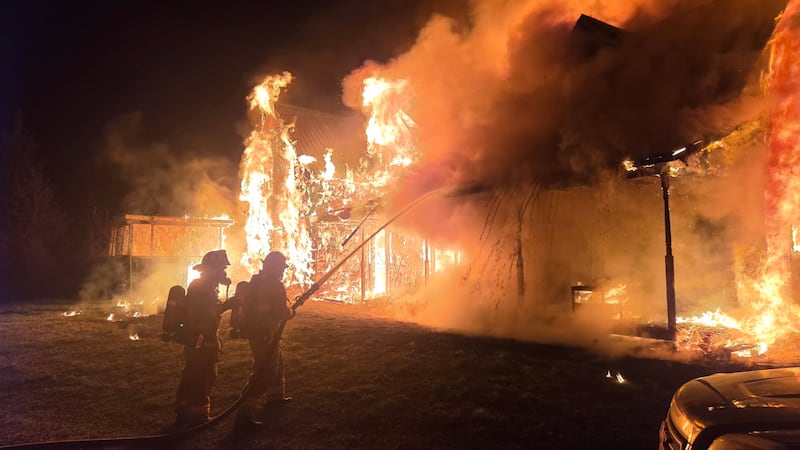
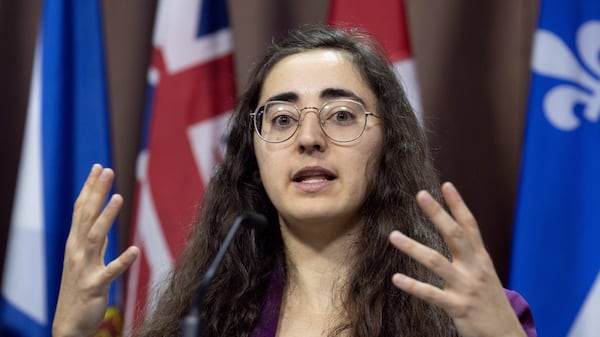
A tea shop in Victoria’s Chinatown has brewed up a special blend to help restore a neighbourhood landmark damaged by fire. Silk Road Tea is fundraising for Tam Kung Temple, which has been closed for restoration since a fire on June 15. The temple is a national historic site. Established in 1876, it is the oldest Chinese temple in Canada. To commemorate the temple’s 150th anniversary and help cover restoration costs, Silk Road Tea is selling a specialty blend called Tam Kung Temple tea. “All the net proceeds from this are going to the temple,” said store owner Daniela Cubelic. “There’s a lot of history and living history here, and this temple is a beautiful sanctuary for people to come and for people, actually, of all cultures to visit.” Tam Kung, the temple’s namesake, is a deity worshipped for healing and protection. When fire tore through the space, it destroyed textiles and furniture. A statue of Tam Kung remained unmarked by smoke and flames. Gayle Nye, the temple’s volunteer coordinator, said the building was contaminated with asbestos and will require new flooring and walls. She said it will be at least a year before the space reopens to the public. “Going into the temple, there is a sense of sanctity and serenity, a little respite that’s offered there,” Nye said. “That’s very important in these times and in past times, of course.” She said the cause of the fire is unknown. The temple is located on the top floor of the Yen Wo Society building. Damage extends throughout much of the four-storey building, but Nye is optimistic about its future. “It will be rebuilt and it will be there for generations to come,” she said. Nye is the great-great-granddaughter of the temple’s founder, Ngai Sze, making her one of many Victorians with family ties to the historic landmark. For Kelly Low, it was only a couple of years ago, while flipping through her father’s old photos, that she discovered her personal connection to the temple. “I discovered a photo of my grandmother and her grandfather,” Low said. “I recognized that photo because I had seen the photo of the founder of the temple. And I thought, ‘Oh my gosh, that’s Ngai Sze!’” Like Nye, Low is also one of Sze’s great-great-granddaughters. Sze was a Chinese immigrant who arrived in Victoria in the 1860s. “He had a dream that Tam Kung wanted a home here and a temple,” Low said. On Wednesday morning, Low joined Cubelic for a cup of Tam Kung Temple tea. Both were grateful for the temple’s legacy and hopeful about its future. “The statue of Tam Kung survived completely intact,” Low said. “So he himself is this symbol of renewal and resilience and rebirth that brings everything together, this feeling of hope.”