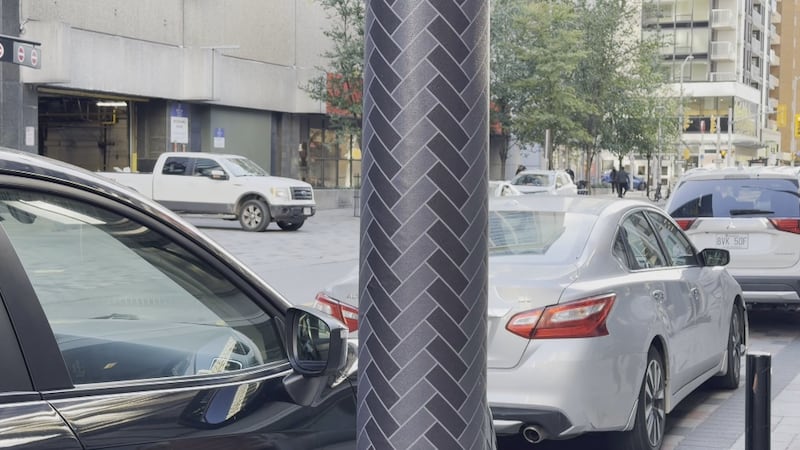
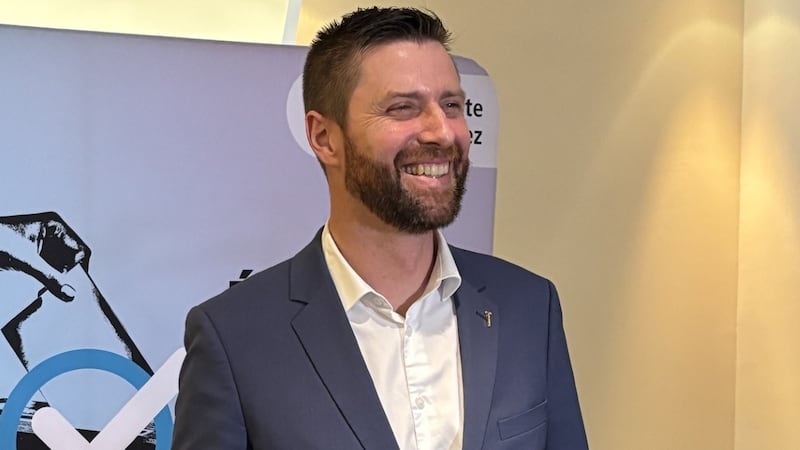
The federal government has announced a $50-million, five-year funding agreement with the Ottawa Police Service to improve policing around Parliament Hill. The deal would see the Ottawa Police Service create a dedicated team to respond to calls for service, security concerns, protests, and more, in an area stretching from Wellington Street to Queen Street and including buildings such as the Senate of Canada and the Prime Minister’s Office. The funding was first announced in the 2024 federal budget. Public Safety Minister David McGuinty said Friday the money is now flowing. Officers were first deployed in the area last fall. Ottawa police and the City of Ottawa have jurisdiction and responsibility for Wellington and its surrounding streets, while the Parliamentary Protective Service (PPS) is responsible for the security of Parliament Hill and the Parliamentary Precinct, including the buildings. McGuinty said Friday that elected officials, particularly women, are dealing with increased threats. “We see it every day, whether it be online or on our way to work in the morning,” he said. “Especially, as tomorrow is International Women’s Day … I know that the hate that they experience, online and on the street, is far worse than it is for their male counterparts.” McGuinty said he wants Parliament Hill and the streets around it to remain open for residents, visitors, and protesters. “We want to make sure Parliament Hill isn’t turned into some sort of fortress. We need to jealously safeguard and secure the right to protest, the right to visit… that’s a fundamental part of our democracy,” he said, “but, at the same time, we understand we’re facing a new threat landscape—we saw that with the (Freedom) convoy… What we’re seeing now is a five-year opportunity to improve the situation.” Ottawa Police Chief Eric Stubbs called the announcement a “big day” for the Ottawa Police Service. “With this federal investment, all of us are building a stronger, dedicated police presence in the heart of our democracy,” he said. Stubbs said it would take two to three years to get the parliamentary precinct up to its full complement of 49 employees—a mix of sworn officers and civilian members. “This initiative goes beyond a visible police presence. It also represents our commitment to addressing the concerns of politicians, the residents, the workers, and visitors in the parliamentary district,” he said. “Together, we will continue to ensure that Ottawa remains a safe and welcoming place for everyone.” Stubbs said Ottawa police officers will remain the first to respond, as they are the police of jurisdiction in the area, but the partnership with the RCMP and the PPS will help to improve response times and enable collaboration on investigations. “It’s actually an international phenomenon where elected officials are facing a lot more intimidation and threatening behavior, both in person and online. So, that presence of us having that specific knowledge about the inner workings in around Parliament Hill will allow us to be more responsive to the needs that are happening there,” said Russell Lucas, acting superintendent with the Ottawa Police Service. The government says the establishment of the Parliament District Policing Program responds to recommendations from the Public Order Emergency Commission’s report into the use of the Emergencies Act to deal with the convoy occupation, which pointed to the need to reconsider the division of responsibilities for policing and security in the National Capital Region. Mayor Mark Sutcliffe said this would also allow other police officers to better serve neighbourhoods outside the downtown core. “One of the challenges we’ve faced as a community has been the divided responsibilities and the pressures of not only serving the entire community but also serving the nation’s capital and the parliamentary precinct,” he said. “This is a win for our city.” Future of Wellington Street McGuinty said discussions continue around the ownership of Wellington Street. Following the Freedom Convoy occupation of 2022, the federal government had expressed desire to purchase Wellington Street from the City of Ottawa and pedestrianize it. The road remained closed to vehicles for months after protesters were cleared out, but it has since reopened. McGuinty said nothing has been finalized at this time. “We want to make sure that we achieve the right balance between keeping our parliamentary precinct open to the Canadian public,” he said. “Discussions will continue to see what is the appropriate balance going forward. There are no decisions that have been taken now about the final decision about Wellington Street or other matters.” With files from CTV News Ottawa’s Natalie van Rooy