ADVERTISEMENT
Platform Tracker 2026
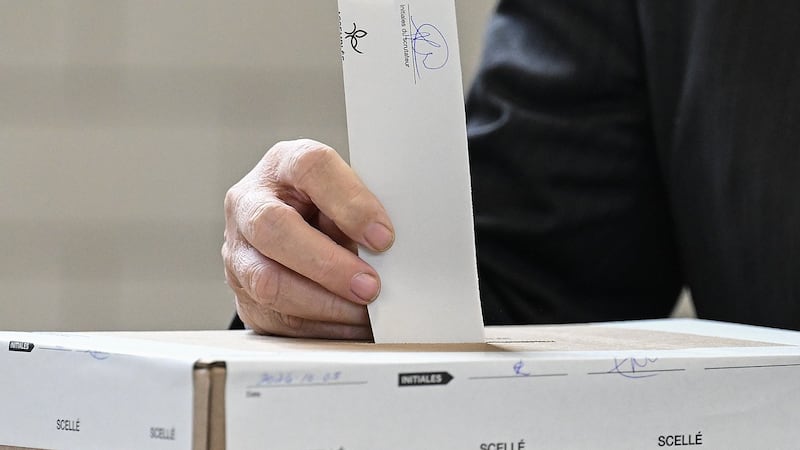
The provincial election campaign is in full swing, with political parties making stops across Quebec to make all kinds of campaign promises ahead of voting day on Oct. 5. CTV News has produced a platform tracker featuring highlights of the promises of the five main political parties in Quebec to give voters a sense of where they stand on key issues. Links to each of the party's full platforms are at the bottom of this page.
Note: This tracker will be updated continuously as commitments are announced throughout the campaign.Health Care | Cost of Living | Economy | Public Safety | Housing | Language | Child Care | Immigration | Mobility | Homelessness | Sovereignty | Environment | Education
Health Care
Coalition avenir QuébecThe CAQ would allow doctors to practice in both the public and private sectors without having to withdraw from the Régie de l’assurance maladie du Québec (RAMQ) and to reduce Santé Québec’s administrative expenses by 2 per cent, resulting in $1 billion in savings from the agency’s $48 billion budget.
To reduce health-care wait times, the party would redirect patients waiting six months or more in the public system to other regions or to the private health-care system.
It would also increase the use of private providers for medical imaging to reduce wait times to process an additional 100,000 requests per year at a cost of $40 million.
The party would train more doctors in regional areas through the Universités du Québec network, costing $20 million and would expedite expanding the responsibilities of nurses as well as establishing a professional order for paramedical technicians.
The party would also invest $40 million per year to expand coverage for hearing aids and allow over-the-counter sale of the devices for mild to moderate hearing loss.
The CAQ would invest an additional $1 billion to increase home support services for seniors, including nursing care, personal and domestic assistance, and rehabilitation and psychosocial services.
It would also create a tax credit to provide $7,500 per household for families who adapt their homes to accommodate an elderly relative.
It would invest $32.4 million in its first budget to help young people struggling with mental health issues, particularly as they transition into adulthood, by opening 10 new resources known as Aire ouverte to provide health and wellness services.
Quebec Liberal PartyThe Quebec Liberal Party would create a telehealth platform for all Quebecers that would be fully integrated into primary care and provide quick access to an online health-care professional.
The Liberals also proposed injecting $200 million into the province’s local community services centre (CLSC) network to make them "anchor points" in their communities.
It has also promised to expand and modernize Laval's Cité-de-la-Santé Hospital.
The party vowed to gradually increase health-care spending toward prevention and reach 5 per cent by the end of the next decade, directing the funding toward screening programs for certain kinds of cancers, chronic disease prevention, and vaccination efforts, among other things.
It would create a Quebec Prevention Pathway for eligible residents to receive personalized invitations to health screening, vaccinations, and other preventative interventions based on their age, gender, and risk factors.
It would also support the "time-out" initiative to promote more active lifestyles.
The Liberals would increase funding for in-home care by $700 million to expand services provided directly at home and to spend an additional $80 million over four years for home modifications and expanding the Financial Exemption Program for Domestic Help Services (PEFSAD).
Parti QuébécoisThe PQ said it would abolish the newly formed Santé Québec agency and make CLSCs the "gateway" to the health-care system with a $150-million investment.
It would strengthen primary care to make the system less "hospital-centric" and invest $550 million over four years in prevention in the public health budget.
It would also introduce measures to encourage physical activity, improve mental health, and combat the over-prescription of medication.
It also plans to, if elected, increase the number of doctors by expanding medical school cohorts and allow medical programs to be established at regional universities where there is a shortage of health-care professionals.
The party would take measures to remove barriers to recruitment in obstetric services.
It would create a university research chair in bio-food policy to advise the government on food quality to address the issue of overconsumption of ultra-processed foods.
Québec solidaireQS would create up to 400 points of access to frontline health care, primarily through CLSCs and halt the privatization of the health-care system by gradually phasing out funding for private clinics.
It would invest in preventative health care by doubling the budget for prevention, with a focus on public health, mental health, addiction services, and harm reduction.
It would also expand access to psychotherapy services, speed up the provision of free treatment in the health and social service network, and make eye and dental care free for everyone under 18 years old.
The party would extend RAMQ coverage for people aged 65 and older to include reimbursement for mobility aids, eyeglasses, and hearing aids.
It would create a Ministry for Women and Gender Equality, with a focus on women's health and guarantee the right to abortion.
It would provide mental health services at 400 CLSCs to improve access for young people, ensuring that “anyone who visits a CLSC for mental health care” can see a counsellor the same day.
Quebec Conservative PartyThe Conservatives would abolish Santé Québec if they form a government.
The party would refer patients to the private sector for treatment, at RAMQ's expense, to reduce health-care wait times.
It would conduct a thorough review of the health-care network's governance to find efficiencies and gradually increase admissions to Quebec's medical faculties from 400 to 500 per year.
It vowed to accelerate the qualifications for doctors trained outside of Quebec where their training is deemed equivalent to North American standards.
It would grant paramedics greater powers to carry out front-line care where their training permits.
It has also promised to gradually phase out the systematic use of mandatory overtime to cover a vacancy or staffing issues.
Cost of Living
Coalition avenir Québec
The CAQ would contribute $1,000 to every newborn's Registered Education Savings Plan (RESP), costing nearly $220 million over four years, after a parent opens an RESP within three years of the child's birth, with amounts invested for children who do not pursue postsecondary education being returned, with interest.
It would increase financial support to cover expenses for children in school for a total of $900 million over four years.
The party would create a new tax credit to cover up to 75 per cent of school-based childcare costs, with a reimbursement of up to $1,309 per child.
The party would increase the current allowance of up to $127 for school supplies to a maximum of $250.
It has also promised to require veterinarians to post their prices online and in their offices for consultations, vaccinations, spaying or neutering, and basic dental care to give pet owners more choices before choosing a clinic, and to entrust more responsibilities to other professionals, such as animal health technicians.
It would also increase the tax credit for seniors by $200, for a total of $2,200 for low-income individuals aged 70 and older.
The party has pledged to exempt up to $35,000 of earned income from taxes for Quebecers working in an essential service, such as teachers, early childhood educators, nurses and nursing assistants, and patient care attendants.
Quebec Liberal PartyThe party has proposed extending the shareable parental leave by two weeks for all families to spend more time with their newborns or apply to have the two weeks' allowance paid directly to them.
Parti QuébécoisThe PQ would balance the budget one year earlier, by 2028-2029.
It would cut Quebec small- and medium-sized businesses' corporate tax rate from 11.5 per cent to 9.5 per cent to save a company with $5 million in taxable income about $90,000 per year.
It would reduce public-sector compensation costs by 2.5 per cent over three years to reduce "waste and bureaucracy."
It would create a Secretariat for Government Efficiency and Regulatory Relief to review all regulations, programs, procedures, and standards, and to create a parliamentary budget officer within the Auditor General's office.
The PQ would also invest an additional $450 million in agriculture over four years, focusing on protecting farmland, supporting the next generation of farmers, promoting Quebec’s food sovereignty, increasing farm income, and reducing the administrative and regulatory burden on businesses.
It would require public institutions to source 75 per cent of their products from Quebec. It would offer families bonuses of $700 for having a third and fourth child as a measure to increase the birth rate.
The PQ said Quebecers with an individual income of below $40,000 would receive a $125 rebate on gas.
Québec solidaireIt would, in response to Donald Trump's tariffs, raise rates for hydroelectricity exports to the U.S. It would also create a $2 billion "Trump Fund" to provide financial support to Quebec businesses directly affected by the U.S. tariffs.
It would revise the individual income tax brackets and reform the tax system for large corporations, polluting industries, and large estates to ensure a progressive tax structure and fair contributions to combat tax loopholes.
Quebec Conservative PartyThe party would introduce a 30 per cent reduction in the regulatory burden for Quebec businesses and would restructure government finances to return to a balanced budget within four years.
It would save $47 billion over five years by cutting government spending, including eliminating 20,000 public sector positions mainly through attrition.
It would phase out most business aid and subsidies, redirecting those funds toward tax cuts in order to generate $19.47 billion.
It would implement the "one-for-one" rule for new government regulations, removing one for every new one.
Economy
Coalition avenir QuébecThe party would invest $400 million over four years to enhance the Short-Term Training Program to help 25,000 people to acquire the skills in sectors affected by the trade war with the U.S.
It would also invest $167 billion in infrastructure over the next 10 years.
It has also announced a $56-million plan to support farmers to help them cope with rising energy prices and the trade war.
It would also double the Fonds d’investissement pour la relève agricole (FIRA) from $50 million to $100 million to support the next generation of farmers.
It would expand the sale of alcohol in public markets to include spirits of agricultural origin and craft beers, and to allow Quebec producers to sell their alcohol products directly to consumers across interprovincial borders.
Quebec Liberal PartyThe PLQ would balance the budget by 2029-2030 and tackle the deficit with revised tax credits, cracking down on illegal online gambling, among other measures.
It would cut 12,000 public sector jobs but spare positions in health, education, and culture, and increase departmental spending by only 2.4 per cent on average over the next five years.
The party's fiscal framework also includes $4 billion in contingency reserves due to the U.S. trade war.
It would end the welcome tax refund and the tax exemption for certain foods in a bid to recoup $980 million over five years.
It would increase the Plan québécois des infrastructures (PQI) to $195 billion over 10 years, beginning in 2027.
The party would impose, in a bid to reduce bureaucracy, a moratorium on any new rule or regulation that adds to the administrative burden on municipalities and small- and medium-sized businesses (SME).
It would introduce a new two-for-one rule, meaning that for every new regulatory or administrative requirement for a business, two must be repealed.
To support companies affected by tariffs, the party would grant a temporary contribution holiday for the Health Services Fund (HSF) and convert 25 per cent of the aid intended for eligible SMEs into direct non-repayable assistance.
It would also create new trading partnerships in Canada, Europe, and the French-speaking countries to reduce by at least 15 per cent the share of Quebec's exports to the United States.
The party would gradually reduce the SME tax rate from 11.5 per cent to 10 per cent to help them grow.
The PLQ would increase the manufacturing sector's contribution from 12 per cent to 15 per cent of Quebec's GDP by 2035.
It would promote Quebec food products by increasing their presence in schools, hospitals, CHSLDs, and other public institutions.
Parti QuébécoisThe PQ would exempt used goods and cars from the Quebec Sales Tax (QST).
The party would reduce the QST on gas by 50 per cent for at least one year and offer a $125 annual gas rebate to those with an individual income of less than $40,000.
It would put a cap on subsidies for foreign companies and cut Quebec's small- and medium-sized enterprise corporate tax rate from 11.5 to 9.5 per cent, in order to save a company with $5 million in taxable income about $90,000. The cut would be funded by scrapping the Fonds de développement économique.
It would offer one-time and targeted aid programs for companies most affected by U.S. tariffs and would offer companies tax incentives who need to adapt and turn to other markets.
Québec solidaire The party would raise the minimum wage to $20 per hour (up from $16.60 per hour) by May 2027 and implement a $330-million plan to support employers during the transition.
QS would make public transit free for people under 25 and those 65 and older and grant a 20 per cent tax credit to the rest of the population, at a cost of $270 million.
The party would introduce a wealth tax targeting the top 0.1 per cent, or roughly 4,000 households, with assets of more than $25 million.
The party said the wealth tax would generate $5 billion a year for education by funding teachers' salaries and supporting children with special needs.
The party would make contraceptives free of charge and would offer free menstrual hygiene products.
The QS said it would lower grocery bills by capping profit margins of major grocery store chains at 15 per cent and would ban "unfair practices," such as excessive price hikes, fake discounts, and dynamic pricing.
It would also create a network of 15 public grocery stores to increase competition and lower prices for consumers.
Quebec Conservative PartyThe PCQ said it would lower gas prices by abolishing the carbon tax and suspending the provincial fuel tax.
It would also abolish the Quebec Sales Tax on used goods.
It would create a $100 annual rebate for signing up for a sports activity, available for all households with an income of less than $100,000 who sign up for sports registration, a gym membership, or an activity offered by a municipality.
It would gradually reduce personal income tax rates after balancing the budget as a measure to boost economic growth.
Public Safety
Coalition avenir QuébecThe party would invest $176.4 million to add 300 new police officers for the Sûreté du Québec and municipal police forces to fight gun crime.
It would also add 50 new Crown prosecutors to reduce case backlogs.
It would create two technological expertise hubs in Montreal and Quebec City to combat cybercrime at a cost of $14 million over four years.
The party would also allocate $13.3 million to create joint teams in the regions of Quebec to pair police officers with health and social services workers to respond to people experiencing mental health issues or homelessness.
It would add the equivalent of one intervention resource to each of Quebec's 164 shelters and support centres to prevent instances of domestic violence, and would add eight new first-stage emergency shelters, at a cost of $53.4 million.
Quebec Liberal PartyThe party has not yet announced plans on this issue.
Parti QuébécoisThe party has proposed building six new first-stage shelters for women fleeing domestic violence, adding 70 to 80 beds, at a cost of $35 million over four years.
It would increase funding for second-stage shelters by $52 million over four years.
Québec solidaireQS would invest $10 million to create a frontline intervention service allowing victims to report cyberbullying and cyberviolence, drawing inspiration from New Zealand's "Netsafe" platform.
It would also implement a new legal remedy for victims that would allow judges to quickly order an end to online harassment.
It would grant 10 days of paid leave to women who are victims of domestic violence, at the employer's expense.
It would allocate $600 million to create up to 1,000 new shelter beds across Quebec.
QS also vowed to invest an additional $1 billion per year for community organizations serving vulnerable populations.
It would make criminal records of violent intimate partners more accessible and increase monitoring of people with a history of domestic violence.
Quebec Conservative PartyThe party would abolish programs related to firearm ownership that it deems ineffective, such as the such as the Online Firearm Registration Service, and would refuse to participate in the federal firearm buyback program.
It would make public a registry of serious or repeat sex offenders that would disclose their home address, and and adopt a Quebec charter of rights for victims of crime.
The party would table a bill requiring electronic monitoring for people accused of domestic violence-related offences and awaiting trial as well as for individuals released from prison "and pose an unacceptable level of danger toward their victim."
Housing
Coalition avenir QuébecThe party would increase the tax credit for first-time homebuyers from up to $1,400 to $7,000 for new and existing properties.
It would build 2,000 affordable housing units for seniors and complete the construction of 16,000 affordable housing units.
The CAQ would partially regulate the construction industry to address the housing crisis by revising safety standards and eliminating requirements deemed unnecessary, redundant, or outdated.
It would exempt minor renovations in residential buildings with fewer than eight units from Bill R-20.
Quebec Liberal PartyThe PLQ would build 100,000 housing units per year in the long term and develop a strategic approach to the procurement of construction materials, workforce availability, and reducing red tape to build more housing.
The party would invest $1.5 billion to add 40,000 affordable housing units to the rental stock within five years, and would set aside a portion of new projects for vulnerable people.
It would set a goal of increasing the share of housing outside the market to 20 per cent by 2050.
The Liberals also promised to reimburse 36 per cent of the QST paid on a new house or condo, up to a maximum of $10,000, for new properties valued at up to $500,000.
For multi-unit residences, the refund starts at $10,000 for the owner and increases by $5,000 per additional unit, up to a maximum of four units, for a refund of up to $30,000.
It vows to set a target that 50 per cent of housing units with funding from Société d’habitation du Québec (SHQ) be constructed using prefabricated methods and to set up an interest-free loan program at Investissement Québec to help companies in the prefabricated construction sector to modernize their productions to increase their capacity.
It would set an annual cap on increases in rent and services at retirement homes and force an RPA to justify the increase in rent at the TAL.
It is proposing to defer capital gains taxes for Quebec real estate investors “when they reinvest their profits in the construction of new housing.”
Parti QuébécoisThe PQ would offer first-time home-buyers who buy a new home a QST refund of up to $45,000 and increase the tax credit for the purchase of a first home from $1,400 to $3,000.
It would increase housing supply by "easing the regulatory burden on construction companies" and by "reducing red tape for construction contractors," including "harmonization" of the Quebec Building Code.
It would also grant $10,000 in financial aid to cover the costs of converting a property into an intergenerational home.
Québec solidaireA QS government would cap annual rent increases at the rate of inflation for one year, without exceeding 3 per cent, and establish a provincial rent registry to combat excessive rent hikes.
The party would build 25,000 social housing units during its first term and remove an additional 25,000 housing units from the private market and transform them into affordable housing units.
It would create a loan program for the down payment of first-time buyers of up to $50,000.
The QS would increase fines by $10,000 for abusive landlords and grant provincial and municipal governments the power to expropriate buildings owned by landlords who skirt their obligations.
It would tax 100 per cent of capital gains realized on the sale of income-producing rental properties, instead of the current 50 per cent, and exempt owner-occupants.
It would ban evictions of families during the winter and school year.
It would crack down on short-term rentals like Airbnbs by strengthening the investigative powers of Revenu Québec and municipal investigators.
Quebec Conservative PartyThe PCQ would increase housing supply by "deregulating" the construction industry, including the number of regulated trades and removing "excessive" requirements, such as the number of parking spaces and energy efficiency standards, in the Quebec Building Code.
It vowed to make more land that is zoned for agricultural use available for construction to increase the housing supply and exempt the residential construction sector from the application of Bill 20.
It would also exclude properties with rents of more than $2,500 per month, as well as properties that have been fully refurbished within the last five years or have been vacant for one year, from rent control.
Language
Coalition avenir QuébecThe CAQ would, within the first 100 days, table a bill to renew the notwithstanding clause for the language law known as Bill 96.
It would also broaden the application of Bill 101 to vocational training and adult education.
Quebec Liberal PartyThe Liberals would assess whether it is necessary to renew the notwithstanding clause for the French-language law known as Bill 96.
It would protect access to essential services, including health care, for the English-speaking community.
The party has said it would strengthen the French language in Quebec "while respecting the rights of Quebec’s English-speaking community and all of the province’s minority communities."
The party would increase French-language training budgets by $138.41 million over four years and reduce the wait time for training to six weeks.
It would include in the Charter of the French Language a requirement for the government to identify regions in Quebec where the use of French is at risk and to implement targeted regional strategies to address it.
It would also make efforts to improve the discoverability of French-language content and support French-language content creators to reach youth on social media.
The PLQ would also increase funding for community education centres by $8 million a year to combat illiteracy and promote the dissemination of knowledge in French in higher education and research.
It would invest $380 million to promote French by implementing the new French language curriculum in elementary and secondary schools and increase funding for French-language support centres in the college system.
Parti QuébécoisThe PQ would extend provisions of Bill 101 to CEGEPS and to the children of temporary residents who have lived in Quebec for more than 12 months.
The party would survey the language of socialization among young people in schools in Montreal and Laval to understand the linguistic dynamics and intercultural relations in those cities.
It would also increase French-language requirements for obtaining or renewing work permits, with requirements varying based on job type (agricultural workers would be exempt).
It would negotiate with major streaming platforms like Netflix and Spotify to force them to stream approximately 30 per cent French-language content.
Québec solidaireThe party would change the French-language law known as Bill 96 but would make changes to it in regards to elements affecting the English-speaking community, as well as First Nations and Inuit communities.
The party would invest $100 million in French-language training in the workplace that includes paid courses during working hours.
It would apply Bill 101 to all businesses with 10 or more employees, placing the onus on businesses to provide French-language training for their staff.
It has also vowed to strengthen the enforcement of Bill 101 in the digital sphere, including signage. QS said it would abolish certain "discriminatory" measures contained in Bill 96.
Quebec Conservative PartyThe PCQ would renew the use of the notwithstanding clause for the French-language law known as Bill 96, but would change provisions of the law that the party believes do not help protect French, "especially those that create needless obstacles for citizens or businesses."
It is opposed to forcing students away from English CEGEPs and would give English schools more autonomy, work with institutions on tuition and enrolment decisions, and would respect the constitutional rights of English school boards in Quebec.
It has vowed to protect access to health care in English and let local health-care teams plan their services to serve their patients' needs.
The party says that staffing and interpretation must reflect the language needs of each community in Quebec.
The PQC would provide "clear rules and practical support" for the Office québécois de la langue française (OQLF) to avoid cases of "harmless expression.".
Child Care
Coalition avenir QuébecThe CAQ committed to increasing financial support to cover expenses for children in school, for a total of $900 million over four years.
A new tax credit would cover up to 75 per cent of school-based childcare costs, with a reimbursement of up to $1,309 per child.
The current allowance of up to $127 for school supplies would also increase to a maximum of $250 if the CAQ stays in power.
The party promised to increase the number of weeks parents can spread out benefits under the Quebec Parental Insurance Plan (QPIP) from 18 months to five years following the birth or adoption of a child.
It would cover a second full in-vitro fertilization (IVF) cycle through the public health insurance plan with a $40 million investment.
Quebec Liberal PartyIt would fund the creation of 5,000 daycare spaces within five years and convert 10,000 places in non-subsidized private daycares into subsidized places.
Parti QuébécoisThe party would create 10,000 spaces in early childhood centres (CPE) over four years, brining the total number of new spots to 25,000 by 2030.
It would extend the period during which parents can receive benefits under the Quebec Parental Insurance Plan (QPIP) to three years.
It would reimburse the costs of second and third rounds of in vitro fertilization.
Québec solidaireThe party would invest $610 million to provide more daycare spaces by hiring 5,000 qualified daycare educators by 2030.
It would also offer a salary increase for daycare workers and support staff, to be negotiated with unions.
It has also promised paid continuing education for early childhood educators and administrators, as well as compensation for the final internship required for the college diploma in early childhood education.
Quebec Conservative PartyThe Conservatives would provide $100 per week per child to families who homeschool their children, at a cost of $280 million per year.
The taxable allowance would be available to parents who don't have a subsidized daycare spot and who don't qualify for a tax credit.
Immigration
Coalition avenir QuébecThe CAQ set a target in November 2025 of 45,000 new permanent residents per year.
The party said it would reduce the number of temporary residents from 531,000 by between 81,000 and 156,000 people, which would include a reduction in some temporary foreign workers and asylum seekers (by working with Ottawa on the file).
Quebec Liberal PartyThe party has vowed to involve the regions of Quebec in order to determine their capacity to receive new immigrants. It also said it would help immigrants assimilate into Quebec society.
Parti QuébécoisThe PQ would reduce the permanent immigration threshold to 35,000 newcomers, down from the current 45,000 threshold.
It would cut temporary immigration by 50 per cent to a target of 200,000 to 250,000 non-permanent residents by the end of a four-year term, while protecting certain sectors, such as agriculture and manufacturing.
The party would declare a moratorium on economic immigration and instead welcome economic immigrants from the pool of temporary residents already in Quebec.
It would expedite the processing of family reunification applications for spouses and children, and would tighten the selection criteria for temporary foreign workers.
The PQ would set the number of workers from the Temporary Foreign Worker Program at approximately 40,000 and replace employer-specific work permits with regional and sector-specific work permits.
The party has also vowed to set the number of international students at 50,000.
Québec solidaireThe party would set the permanent immigration threshold at 70,000 per year (up from the current 45,000) and restore the Quebec Experience Program (PEQ) to its previous form.
It would abolish closed work permits and grant access to RAMQ to open work permit holders.
It said it would also facilitate the recognition of newcomers' qualifications and skills acquired abroad.
Quebec Conservative PartyThe PCQ would reduce the range of service offered to asylum seekers, including cutting social assistance by 25 per cent and prioritizing Quebecers for childcare and housing.
The party has also proposed giving preferential treatment to permanent immigrants "from countries that share Québec’s values of democracy and freedom."
The PCQ would reduce temporary and permanent immigration by reducing the number of refugees and family reunification cases to 10,000 a year.
It would maintain the temporary reopening of the Quebec Experience Program (PEQ) until 2028.
Mobility
Coalition avenir QuébecThe CAQ would build a branch of the Réseau express métropolitain (REM) eastward from Honoré-Beaugrand towards Repentigny with funding from the federal government.
The party said it supports the Alto high-speed rail project connecting Quebec City and Toronto.
It would invest funds for projects in the Quebec City area, including the Robert-Bourassa–Lebourgneuf overpass, redeveloping Routes 116 and 132, and completing phase 4 of the Samuel-De Champlain Promenade.
Quebec Liberal PartyThe party would establish "sustainable and predictable" funding for public transportation.
It has also committed to renovate and modernize the Montreal metro.
The PLQ would complete the widening of the entire Highway 50 within 10 years, starting with the four-lane widening of the 17-kilometre Lachute-Mirabel section in the party's first term.
It had also promised to widen Highway 30 between Brossard and Boucherville on Montreal's South Shore.
The party is in favour of the Alto high-speed rail project from Quebec City to Toronto but said the public, especially farmers, need to have transparent information about the plan and its economic benefits.
Parti QuébécoisThe party would create a Mobility Pass costing $95 per month that would give all Quebecers a universal transit pass that can be used on all public transit systems in Quebec.
The Mobility Pass would offer discounts on intercity bus travel.
The party would revive the abandoned eastern REM project by awarding the project to CDPQ Infra to connect the Honoré-Beaugrand metro station to Pointe-de-l’Île, and then extend the project toward Repentigny.
The PQ would withdraw Quebec from the Alto high-speed rail project from Quebec City to Toronto, and would instead invest the funds in Quebec's hospital, schools, and roads.
Québec solidaireQS would invest $23 billion in public transit over 10 years.
It has also promised to renovate the Montreal metro and make it fully accessible.
It would also extend the orange line to Laval and to fund transit projects in Quebec City and Gatineau.
Québec Solidaire says it supports the high-speed rail project, but believes Alto could be more receptive to the farmers’ concerns.
It has proposed a "landmark" public transit project for Montreal's east end, including possibly a rapid bus transit system or a streetcar.
Quebec Conservative PartyThe PCQ said it would create a third link between Quebec City and Lévis, Que., which would cost between $2.7 and $3 billion.
The party opposes the Alto high-speed rail project between Quebec City and Toronto, citing opposition expressed from farmers.
Homelessness
Coalition avenir QuébecThe party would create a $250 million emergency fund to support municipalities dealing with the homelessness crisis.
It would also develop a provincial action plan with relevant stakeholders and present a plan in spring 2027.
It would increase housing assistance by $100 million to add 1,000 rent supplements to prevent people from living on the street and add 1,000 rent supplements intended for affordable and social housing projects for people experiencing homelessness.
Quebec Liberal PartyThe Liberals have pledged to invest an additional $60 million each year to achieve "zero homelessness," using the funding to support young people leaving youth centres, prevent evictions, enhance the rent assistance program, increase funding for homelessness resources and mental health services, and expand transitional housing.
It also plans to hold a provincewide summit on homelessness.
Parti QuébécoisThe PQ has vowed to reduce the number of homeless people in Quebec (roughly 12,000 people) by 50 per cent by 2030.
It would increase the supply of social housing and improve access to physical health care, mental health, and addiction treatment.
It has proposed modernizing the Social Assistance Act and reducing the criminalization of people experiencing homelessness.
Québec solidaireThe party would adopt a provincial strategy to end homelessness led by a new Minister for Combating Homelessness that would be reviewed annually at a summit with relevant stakeholders.
It would invest $1.5 billion to create 6,000 transitional housing units, which would come from the 50,000 social and community housing units that are part of its housing plan. It would also allocate $135 million per year for psychosocial support for people living in the transitional housing units.
It would increase mission-based funding for community organizations, including those assisting the homeless population.
Quebec Conservative PartyThe PCQ would invest $350 million to establish a fifth decentralized medical school, creating a new branch of family medicine focused on youth protection, homelessness, mental health, addiction, preventative medicine, public health, and childhood trauma.
It would train 125 new community doctors each year and increase the number of social workers in Quebec through funding from decentralization in the health and social services network.
The party would promote the deployment of community doctors and social workers in all addiction treatment centres and residential facilities in Quebec and provide resources towards reintegration for people at risk of homelessness.
Sovereignty
Coalition avenir QuébecThe CAQ is opposed to holding a referendum on Quebec sovereignty.
Quebec Liberal PartyThe Quebec Liberal Party is opposed to holding a referendum on Quebec sovereignty.
Parti QuébécoisThe separatist party has promised to set aside $130 million in its budget to hold a referendum on Quebec sovereignty after President Donald Trump's term in the White House has ended, in January 2029.
Québec solidaireQuébec Solidaire would launch a constituent assembly in consultation with First Nations and Inuit peoples as a first step toward making Quebec a sovereign country.
Quebec Conservative PartyThe PCQ is opposed to holding a referendum on Quebec sovereignty.
Environment
Coalition avenir QuébecThe CAQ promised to double the funds allocated to resource-producing regions under the Natural Resource Royalty Revenue-Sharing Program, increasing the budget from $38 million to $76 million per year starting in 2027.
It would reduce greenhouse gas emissions by 37.5 percent from 1990 levels by 2035, instead of its previous goal of 2030.
The CAQ leader said she is open to development of shale gas if there is social acceptability for it.
It would invest $200 million for SÉPAQ to expand the network of protected natural parks in Quebec.
Quebec Liberal PartyThe PLQ would maintain a target of reducing greenhouse gas emissions by 37.5 per cent below 1990 levels by 2035.
It would develop a Quebec-wide review of PFAS in water and the the environment.
It would maintain the ban on hydrocarbon exploration and production.
The party would maintain the cap-and-trade system but would review the method for allocating funds to the Electrification and Climate Change Fund.
It would implement a flood resilience strategy for private and municipal infrastructure, including a resilience certificate to document work done on a building to reduce its vulnerability to flooding.
The PLQ would introduce a bill to modernize Quebec’s forestry system, in collaboration with Indigenous communities, within one year of forming government.
It would revise the mining royalty system so that local governments receive their fair share of the wealth generated by their natural resources.
The party would take full responsibility for the development of natural resources.
Parti QuébécoisThe party would set a target for 85 per cent of all new passenger vehicle sales to be zero-emission vehicles (ZEVs) by 2034 and would maintain the $2,000 rebate for the purchase or lease of an electric vehicle.
It would improve energy efficiency in new construction and renovation so that buildings use less energy, including through large-scale installation of high-efficiency heat pumps.
It would accelerate the reduction in natural gas connections for new residential buildings to lessen dependence on fossil fuels.
The PQ would enhance the Natural Resource Royalty Revenue-Sharing Program by allowing regions that host mining operations to receive 10 per cent of the value of mining royalties paid to the Quebec treasury, representing an additional $48 million in revenue.
Québec solidaireQS has pledged to reduce greenhouse gas emissions by at least 37.5 per cent by 2030, compared to 1990 levels, and to achieve carbon neutrality by 2050.
It would provide financial aid to municipalities to help them adapt to climate-related events, such as forest fires, extreme heat, and floods.
It would demand financial compensation from big polluters and wasteful industries, and modify the Loi sur la qualité de l’environnement to ensure government subsidies are only granted to companies that comply with environmental standards.
QS would also ban all new projects involving the exploration, extraction, processing, and transportation of fossil fuels in Quebec, including shale gas.
It will also protect Hydro-Québec from any form of privatization and ensure that the production and distribution of renewable energy remain under public control.
Quebec Conservative PartyThe PCQ would withdraw from Quebec's cap-and-trade carbon market system (SPEDE) and abolish the Electrification and Climate Change Fund (FECC).
The party is in favour of lifting a ban on hydrocarbon exploration and production.
It would roll out the phased development of shale gas, prioritizing Quebec's needs first. It would build a liquefaction plant within four years to enable LNG exports to other markets.
Education
Coalition avenir QuébecThe party has committed to spending $800 million to build or expand more than a dozen schools in the Quebec City area.
It would also tighten regulations on homeschooling and on clandestine schools.
It would give youth protection services tools to intervene in cases of non-attendance at school.
Quebec Liberal PartyThe party would hold a provincial forum with stakeholders to find solutions to improve education in Quebec.
It would add 1,000 additional specialized staff members to Quebec's public schools beginning in 2027-2028 and add the equivalent of 400 full-time positions (special education, educational psychologists, psychologists, and speech-language pathologists).
It would also add 600 special education technician positions and would take steps to preserve FACE School.
It has proposed including a requirement in the French language charter that the government implement a provincial reading strategy.
The party would give every elementary school student a book in French at the end of each school year, protect funding for school books and libraries, and support the modernization of public libraries.
It would modernize financial aid for education and provide compensation for internships in the public sector.
Parti QuébécoisThe PQ has promised to hold a provincial forum on education in the first 100 days of forming government, to, among other things, promote music education, make the reading of certain Quebec books mandatory, implement a minimum of one hour of mandatory physical activity per day, and to strengthen civic-mindedness and respect in schools by implementing a code of sanctions.
The PCQ would pay for practical training internships in health and social services, teaching and early childhood education within public institutions.
It would create a Faculty of Medicine focused on family and primary care in the regions, and create a new university district in Quebec City.
Québec solidaireQS would invest $340 million in order to cut high school dropout rates by 50 per cent by hiring 1,500 support staff, 500 additional professionals, and create "a common school network that would include private schools willing to stop selecting students based on grades and tuition fees in exchange for 100 per cent funding," and private schools that refuse the conditions would lose their funding.
It would cut university tuition and CEGEP registration fees by 50 per cent during its first term, costing $350 million per year by 2030–2031.
To protect school budgets, QS would establish an anti-austerity shield and guarantee funding for textbook purchases and field trips.
The party would launch a universal school meal program that would be gradually introduced in schools through to 2031 that would be voluntary, meaning parents could opt out or make a voluntary contribution up to $7, at a cost of $480 million.
Quebec Conservative PartyThe party would increase the number of physical education periods in elementary and high school, and reinstate a fourth physical education course in CEGEP.
The PCQ would slash the number of school service centres in the French system from 61 to 17 and ensure that a student's home address would no longer be the primary criterion in choosing a school.
Full Platforms


Latest Quebec Election News
59 Parti Québécois members swear oath at provincial legislature

A room full of Parti Québécois supporters chanted Quebec, a country`` as the party’s 59 elected officials lined up to get sworn in at the Quebec City legislature on Wednesday.