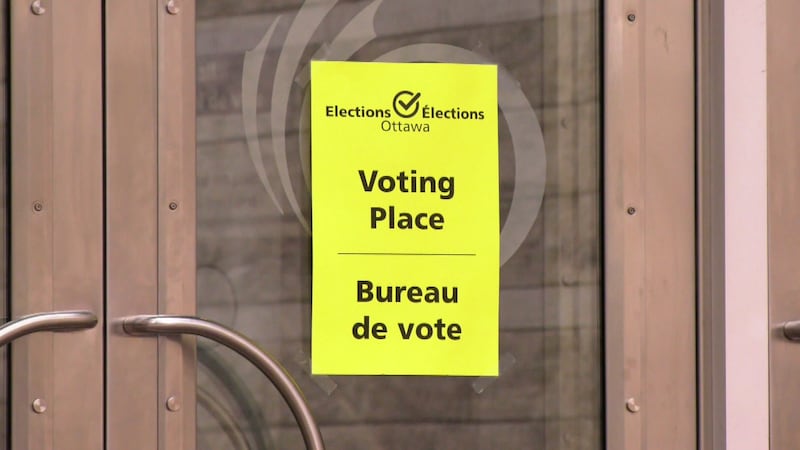
Élections Québec is seeking to assess the impact of French-only mailouts during the 2026 provincial election on access to electoral information and electoral participation through two surveys currently underway. The telephone surveys measure Quebecers’ satisfaction with the electoral process and examine voter turnout in the provincial election. The first survey has been conducted after every general election since 2003, while a similar version of the second survey was conducted in 2018. However, two new questions have been added to each survey concerning the impact of the registration notice and the provincial election guide, which were sent out in French only for the first time in a provincial election. “One question in the voter satisfaction survey concerns voters’ ability to obtain information about the elections, and one question in the turnout survey addresses the reasons for not voting,” an Élections Québec spokesperson told CTV News in an email. “These questions could help gather data relating to the amendments made by the legislature to the Charter of the French Language.” Élections Québec announced in September that it would send the registration notice, voter guide, and voter reminder card in French-only because of Quebec language law, Bill 96. The independent electoral agency said it sought an exemption from the Minister of the French Language and the Commissioner of the French Language but was denied. A lawsuit was filed, prompting a Quebec Superior Court judge to suspend the language law and order Élections Québec to send voter reminder cards in both French and English. The Quebec government tried to appeal the judge’s decision, but was denied. The surveys aim to measure perceptions, knowledge, satisfaction and electoral participation across Quebec. In addition to language, the analysis considers other sociodemographic variables, including age, gender, region and education level. Both surveys began on Oct. 6 and will conclude once the target number of respondents is reached and the polling firm has validated the quality of responses. The findings are expected to be available this winter.