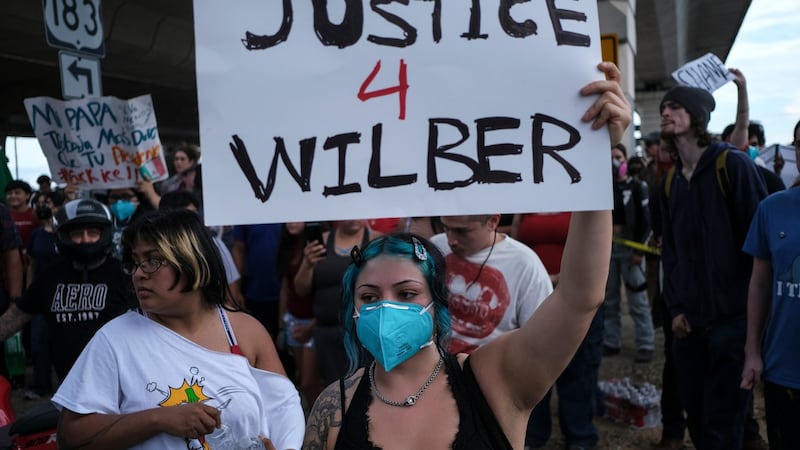
Quebec’s Administrative Tribunal has temporarily suspended the Education Ministry’s decision to deny permits to two private colleges, allowing them to resume regular activities. Collège Supérieur de Montréal and the Collège Supérieur de Sherbrooke were forced to close abruptly on June 30 after Quebec’s Education Ministry refused to renew and amend the permits authorizing the colleges to provide education services. The ministry also refused their request to amend their accreditation for the purpose of grants, according to the decision rendered Tuesday. “This decision is first and foremost excellent news for our students,” said Noureddine Hajibi, the director general of the colleges, in a press release. “From the outset, our priority has always been to protect their academic progress and prevent them from suffering the consequences of a hasty and unjustified decision by the Ministry of Education. We are happy to be able to welcome them back and resume our teaching mission.” Collège Supérieur de Montréal has been operating for 55 years with its licence renewed without interruption. Similarly, the Collège Supérieur de Sherbrooke has been operating since 1969. In a statement, the ministry said that due to the ongoing legal proceedings, it would not comment on the cases. Manel Mahious, an international student from Algeria completing an Attestation of Vocational Specialization in medical secretarial studies, said the tribunal’s decision was positive because it allows students to complete their studies and receive their diplomas. Mahious said she was left in shock after the school closed. “It was very difficult, a lot of stress. We were also left without answers for a long time. We weren’t allowed to do much, we weren’t allowed to work or study. We basically didn’t know what to do with our days,” she said. “I tried to find a solution, look for other schools or something, but all the schools are closed right now. It was a difficult period for everyone.” On July 19, students protested outside of the Montreal campus, saying they had been left in “limbo” following the closure. During the emergency hearing, Doray argued that the criteria recognized by the courts regarding stays of execution were met in this case, specifically because of “the irreparable consequences” and harm the closure would have on students, many of them international students whose immigration documents are tied to their programs and the duration of their studies. “These individuals will therefore have to submit a new application for temporary selection for studies to the Ministry of Immigration, Francization, and Integration in order to obtain a new Quebec Acceptance Certificate, with no guarantee as to the outcome,” the judgment noted. A letter was sent on July 14 to affected international students informing them that steps had been taken to ensure school service centres and a school board could accommodate them so they could complete their studies. “The Tribunal notes that the Ministry of Education has made efforts to mitigate the impacts of the Minister’s decision, but it is not clear whether these efforts were effective in preventing, in a timely manner, irreparable harm to the students concerned.” According to the interlocutory judgment, after the schools submitted their applications to renew their permits and accreditations, the ministry sent a notice that it would issue an unfavourable recommendation. The notice explained that the colleges had not satisfactorily demonstrated they had the necessary and adequate human and material resources to provide the educational services covered by the permit. The tribunal found that the “balance of disadvantages” fell primarily on the colleges and that they would suffer the greatest harm if the motion for a stay was denied. “Furthermore, the stay will help address a significant portion of the harm suffered by the students, who find themselves, through no fault of their own, victims of the situation,” the judgment noted. The lawyer representing the colleges, Raymond Doray, said the tribunal’s decision on the merits of the case is expected in the fall. As of Wednesday afternoon, the school had not resumed classes. In a written statement, it said it was working on a reopening plan.