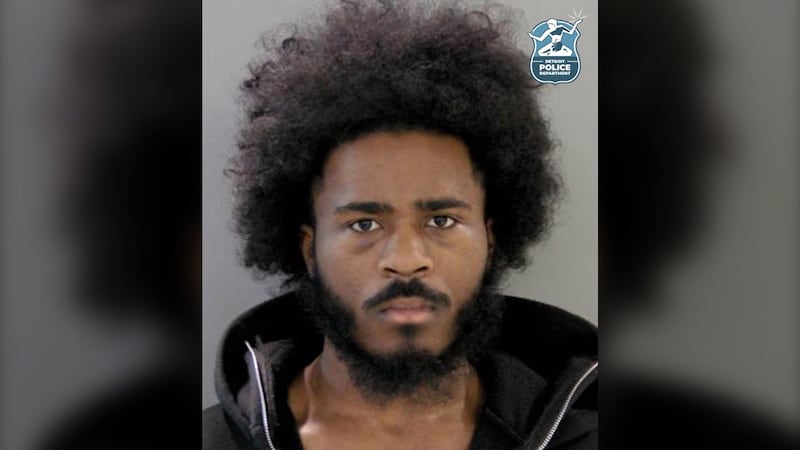
Two former employees of Quebec’s auto insurance board have been criminally charged in relation to an alleged scheme to sell more than 2,000 fake driver’s licences. The commissioner of Quebec’s anti-corruption squad, Unité permanente anticorruption (UPAC), announced the details of the probe in a news release on Thursday, saying the two former workers, as well four other individuals, were arrested. UPAC says the alleged events happened between April 2023 and February 2024, when police seized more than $1.1 million in Canadian and American money and equipment allegedly used in the fraud scheme. The Société de l’assurance automobile du Québec (SAAQ) said it received a report about the alleged scheme and launched an administrative investigation. “As soon as evidence of criminal activity was found, we filed a complaint with [UPAC] and cooperated with them throughout their investigation,” the SAAQ said. It said three staff members were dismissed at the end of their investigation. Two of them were charged. Nadine Denis is charged with breach of trust and unauthorized use of a computer. Grégory Malyszko is charged with fraud, fraud against the government, breach of trust, forgery, unauthorized use of a computer, and conspiracy. Mohammed Tarikul Islam, the owner of the Reflex driving school in Verdun, is charged with fraud and conspiracy. His alleged accomplices, Stiven Lizaire and Vladimir Nicolas, are charged with fraud and conspiracy. Erwis Moïse is charged with fraud. “Like any other organization, the SAAQ is unfortunately not immune to this type of situation. We have mechanisms and systems in place to identify them and limit their impact. No fraud or cheating is tolerated,” the organization said. UPAC said anyone with relevant information to share about the case or any other case of corruption or fraud against the government is asked to contact them at 1-844-541-UPAC. The anti-corruption squad has also been investigating the SAAQ for the past eight months in relation to the SAAQclic scandal. Investigators are looking into “possible wrongdoing in the management of the CASA/SAAQClic IT project” after reviewing the Auditor General report that revealed the auto insurance board’s digital transition project could cost at least $1.1 billion by 2027, which is $500 million more than expected. That investigation is ongoing.