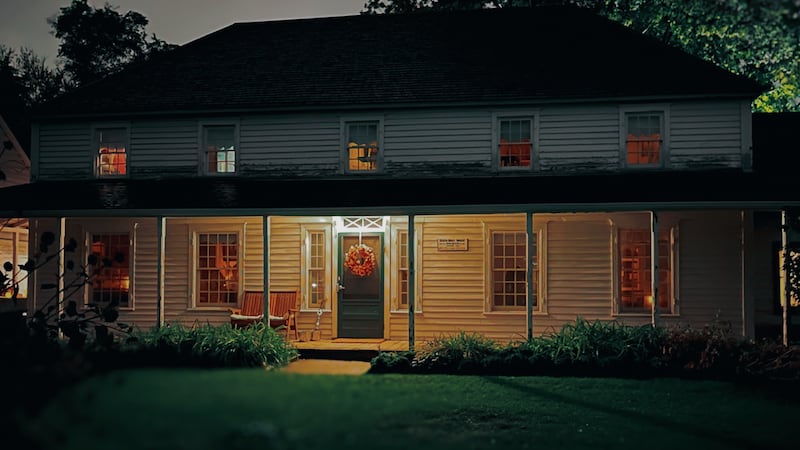
Recent pushback from the owners of buildings being considered for heritage designation might prompt the creation of a new property tax credit in London. On Tuesday, the Planning and Environment Committee (PEC) heard from its community advisory committee about the rising costs of maintaining, repairing, and insuring heritage buildings. “We felt as a committee it was a good idea for the city to start looking at ways that [it] could recognize the public benefit of preservation, and also recognize the cost and expense that comes to the individual property owners,” said Jean-Marc Metrailler, chair of the Community Advisory Committee on Planning. Metrailler added that in his opinion, only Part Four Heritage Designated properties should be considered, rather than houses designated because they are within a heritage district. “This problem seems to be most acute with the Part Four designations [of standalone buildings],” he explained. “If you’re a property owner in a heritage district you’ve got some obligations, but you’ve also got the benefit of living in a beautiful heritage district.” The provincial government set a Jan. 1, 2027, deadline for municipalities to remove buildings from their heritage registry that have not been fully designated. The advisory committee recently produced a shortlist (13 properties) for council’s consideration from London’s registry of more than 2,000 potential heritage buildings. However, some of the property owners have expressed concern that the designation will increase their costs. Deputy Mayor Shawn Lewis put forward a motion directing staff to report back with options including a property tax credit for Part Four heritage properties, noting that any costs would be considered during future budget deliberations. “The property tax relief credit that is applicable under the Ontario Municipal Act seems to be what the majority of municipalities who have such a program use,” Lewis told colleagues on PEC. “They also have caps on it. Some are at 30 per cent of the property taxes, some are at 40 per cent of the property taxes. A number have capped dollar amounts as well. So, [for example] 30 per cent of the property tax or $5,000, whichever is lesser.” Lewis suggested that the tax credit could be made contingent on proper maintenance. “In most municipalities, they have to enter into a maintenance agreement with the municipality and agree to maintain certain standards on their heritage property. That gives us some leverage to say, well, you haven’t met the conditions, so you’re not eligible for the credit,” Lewis explained. Council will make a final decision on Aug. 25.