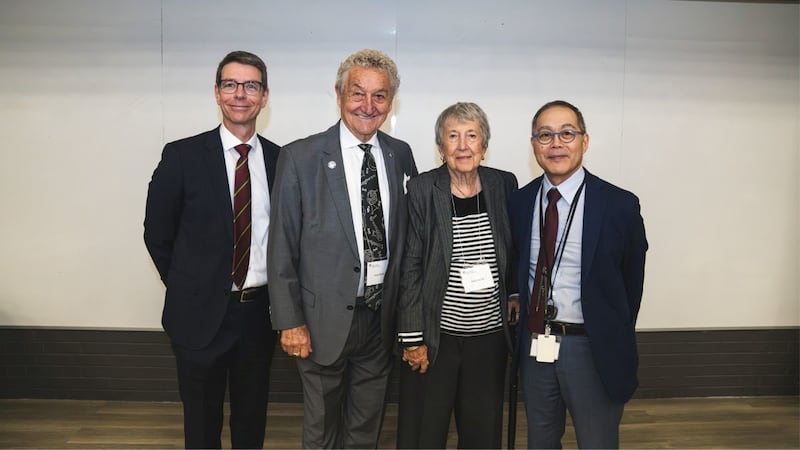
Health units across the region say food insecurity is growing across southwestern Ontario. They’ve issued a joint-statement, calling for better income supports to address what they call a preventable public health issue. You don’t have to tell St. Thomas sisters Lil Johnston and Grase Wagner how easy it is to run out of food before the end of the month. On this day they could be found stocking up on basic necessities at the St. Thomas food bank. “It’s really difficult, especially if you want the healthy vegetables and fruit because they’re not really affordable,” said Wagner. “It’s really hard for people, especially when you have a type one diabetic and a gluten free person,” added Johnston. Health units across southwestern Ontario have issued a joint statement calling for action to address food insecurity. They say one in four households struggle to afford basic needs. They’re proposing the following: “Probably the two biggest drivers of being able to afford food or not is your income, and how fast that’s growing, and what level it is at. As well as your major other expenses, including housing costs and rent costs,” explained Dr. Ninh Tran, Medical Officer of Health for Southwestern Public Health. Registered dietician Kendall Chambers, of Southwestern Public Health, says food insecurity is linked to a host of physical and mental health conditions. “For example, in adults we can see impacts to mental health relating to increased risk of depression or anxiety. Also, higher risk of chronic diseases like cardiovascular disease and diabetes,” she said. The joint health unit initiative coincides with a campaign by food banks. Under the umbrella of Feed Ontario. They want Ontario Works clients to be allowed to work more hours and earn more of their own income before assistance is clawed back. “Raise that amount from $200 earned income before claw back to $600 earned income. So, it will not cost the government anything to be able to allow people to get a little bit of dignity back, get out, earn some money, and build relationships with their employer,” said Sarah Coleman, Manager of Operations at the St. Thomas Food Bank. In the meantime, the health units involved in the joint statement say action is needed at the municipal, provincial, and federal levels. Health units involved in the initiative include: