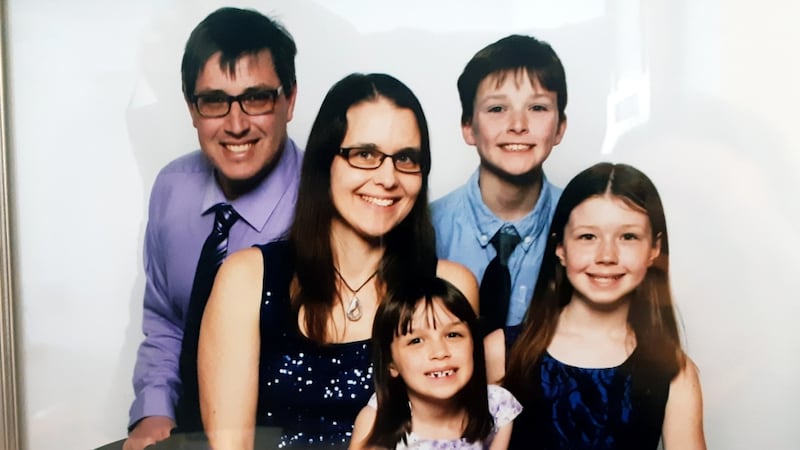
Nearly 30 years ago, Joe and Barb Terpstra started milking cows, near Brussels. “In 1997, we started with about 100 cows. And after that, we built a larger barn and went up to 300 cows. This latest build has allowed us to go to 400,” said Joe Terpstra, co-founder of Cranbrook Farms. This Saturday, the Terpstra’s open up their dairy operation to the public, for the 29th edition of “Breakfast on the Farm.” A Farm and Food Care initiative to bring consumers up close and personal to the farms that produce some of the food they find at the grocery store. “We believe that we need to bridge the gap between the consumer and the producer. We want people to come in, and see how we look after our animals, and then they can be even more confident in the products that we’re making,” said Barb Terpstra, co-founder of Cranbrook Farms. 58,000 people have visited an Ontario ag operator during the 28 previous Breakfast on the Farms, which were designed in 2013, to bridge a growing divide between food consumers, making up the majority of the population and food producers, making up a minute fraction of Ontarians. “When somebody goes to the grocery store, there’s a lot of choices, and we’re wanting people to make a local choice, and see the whole foods and the foods that are good for them that are produced on local farms,” said Joe. A big part of the Terpstra’s 1200-acre operation, which produces 14,000 litres of milk a day, burned to the ground just three years ago. So, sharing their newly constructed milking parlour, and third-generation farm with the public means a bit more than it might have before the blaze. “We have three of our four children working here on the farm, and it’s really put a spark into us. We had a fire three years ago, and we’ve rebuilt, which brought our children home. It’s very special to be able to work side-by-side with our kids,” said Barb. 800 tickets have already been pre-sold to this weekend’s Breakfast on the Farm. The Terpstras say there’s plenty of room for more visitors come Saturday. “There’s going to be lots of animals, not just cows. There’s going to be sheep and lambs. We have pigs, water buffalo, beef cows, horses, goats, and a little bit of everything,” said Barb.