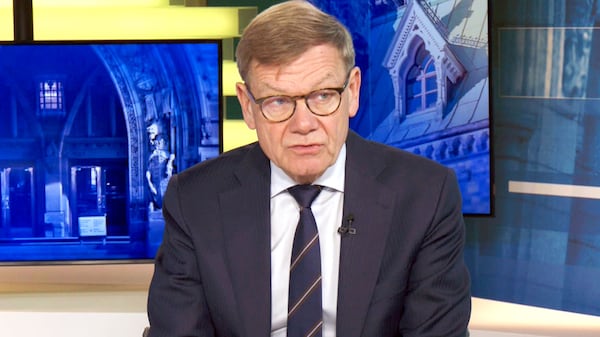
Brendon Samuels, a member with the Environmental Stewardship Protection Community Advisory Committee prepared a list of questions to ask London City Council regarding a potential emergency preparedness plan. “This might be the least smoky and coolest summer of the rest of our lives,” said Samuels. He said the questions are around how to prepare for what’s become the ‘new normal’. “We think that the city should be looking more intensively at what other cities are doing to protect residents from smoke and extreme heat,” said Samuels. This comes as the smoke from wildfires burning across northern Ontario prompted air quality warnings and the closure of some outdoor events in London last week. “We are going to be bringing forward some recommendations related to relief for those conditions,” said Samuels. Samuels said the questions focus on providing Londoners with accurate information to keep themselves safe. “Looking at things like indoor air quality, are we ensuring that buildings are safe for the public when we gather people in cooling centres?,” he said. “Are those buildings kept under sufficient clean air quality so that people aren’t going to be affected by smoke while indoors?” Other questions include, “How are outdoor city workers being informed and personally protected during poor air quality?” and “Does the city provide all workers with appropriate ventilation PPE?” “Inhaling smoke is really bad for you and it accumulates in your body,” added Samuels. According to the federal government’s guide to “Wildfire Smoke and Your Health”, “There is no known safe level of exposure for some of these pollutants. That means that smoke can impact your health even at very low levels.” “Our most vulnerable populations are the ones that are most likely to be breathing in smoke,” said Samuels. “I can’t tell most people where you can go get a respirator or N95 mask if you’re concerned about air quality and can’t afford to buy one.” Samuels said he hopes the discussion encourages council to take a fresh look at how London prepares for wildfire smoke and extreme heat. “I find that our strategy is a little bit piecemeal and a little bit divided and it’s sometimes hard to know week to week what to expect,” said Samuels. “This is a matter of us trying to take stock of all the good work that’s happening and figure out are there areas where we can improve and make sure that people understand who is doing what.”