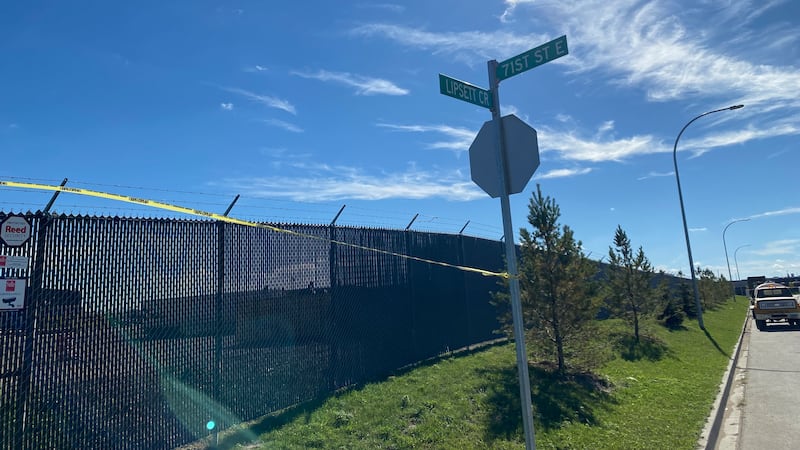
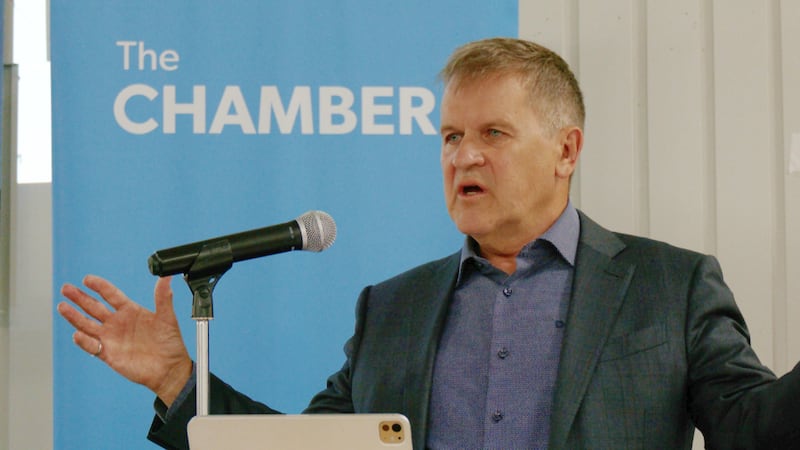
A London technology expert believes clear guidelines are needed to reap the benefits of data centres and mitigate the negatives. Hyperscale data centers are massive facilities with thousands of servers, drawing more than a hundred megawatts of power. Most of them are dedicated to meeting the growing demands of artificial intelligence projects. They have also sparked protests and moratoriums throughout North America. Carmi Levy has studied the growth of data centres extensively. “As a technology analyst and journalist who has covered data centres for the better part of the last 20 years, my blood pressure doesn’t go up when I hear the term,” he said. Levy said the size and resource demands of the new data centres, combined with concerns about what AI will do to the workforce and the broader economy, is driving the strong reactions but he emphasized that the data centres will continue to be built. “The economy is increasingly powered by artificial intelligence. Canada has made it clear they want to be an AI power,” he said. “We need to be in order to compete globally. If we want to be part of the AI economy, we are going to have to build somewhere in Canada.” Levy notes that Canada has everything that data centre operators are looking for. That includes a cooler climate, clean renewable energy, and an educated workforce. An application to change the zoning for a piece of land in a Strathroy-Caradoc industrial park created a backlash when a potential data centre use was included. That reference was dropped prior to a public meeting held last week, but those who attended the meeting continued to express concerns about the possibility of a data centre. Strathroy-Caradoc mayor Colin Grantham said he would only vote for rezoning if a clear use-case was made. During a visit to Sarnia in mid-July, Ontario Minister of Energy and Mines Stephen Lecce stressed that data centre operators had to meet provincial and community guidelines. “They have to fulfill an environmental assessment. They’ve got to be good for the community; they’ve got value to the community,” he said. Lecce also cautioned that data centre impacts vary from region to region. He said concerns about impacts on electricity rates and water consumption in some southern U.S. jurisdictions have fueled the debate on social media. But, those concerns don’t apply equally everywhere. “There’s a fundamental difference between Ontario’s climate and that of Georgia. And thus, it requires less when it comes to water and maybe even power,” Lecce said. Levy believes there are ways to create environmental and economic safeguards that make AI data centres sustainable and offered some examples. “Power could not be drawn from the grid. It would have to be provided separately through a dedicated energy production facility that water cooling processes would be energy efficient, using so-called closed loop systems that don’t draw limitless amounts of water from the water table,” Levy said. Levy said it’s important that everyone to their research and seek reliable sources when forming an opinion about data centres.