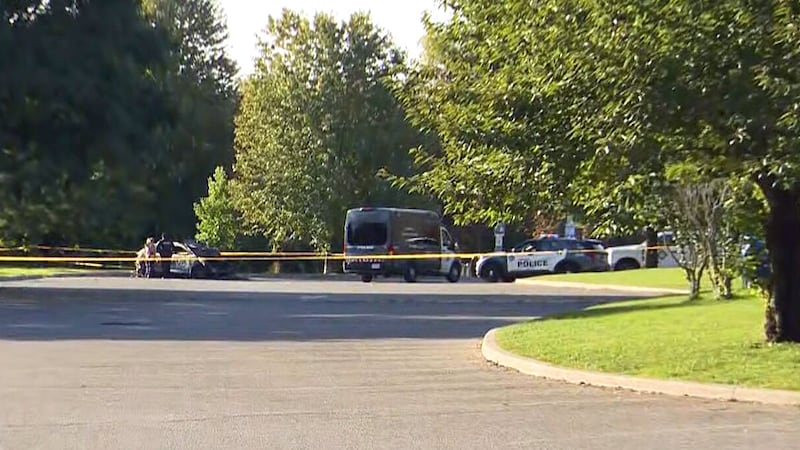
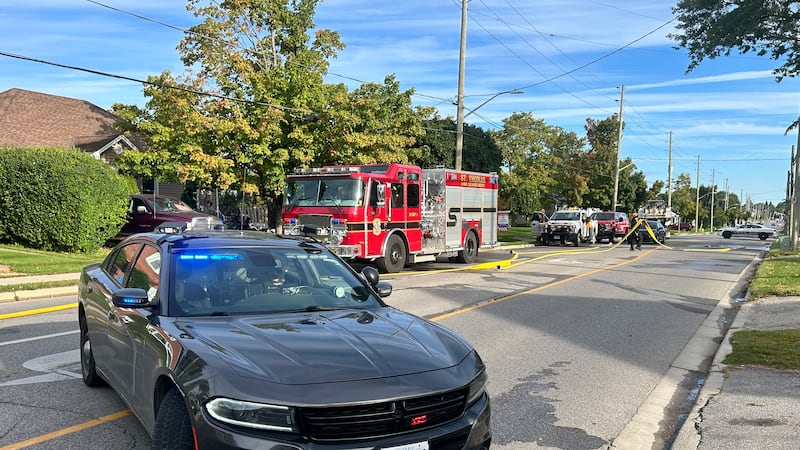
On Canada Day, a severe storm rolled through on a seemingly nice day at the Guelph Lake Conservation Area. The Guelph Fire Department said it rescued ten people stranded on the lake just after five in the afternoon. The Lifesaving Society tells CTV News it’s a good example of why it’s important to have a life jacket on when you’re on any kind of boat in the water. “Because that is going to keep you at the surface. It’s very important that you stay calm. If your vessel, say, your boat should flip over and is taking on water and it’s going to sink, you want to get away from it and just lay on your back and try to keep your airway above the water. Call for help if you can,” Stephania Bakalar, senior officer of communications at Lifesaving society said. “Always, always, always wear the safety jacket. So that’s important. Even if you are expert in kayaking or canoeing,” Shanmukh Dave, a visitor at Guelph Lake told CTV News on Friday. “We always ensure that all people sitting in the canoe have a PFD (Personal Flotation Device).” Bakalar said if you’re just going for a swim, the safest place is always around lifeguards, and strong swimmers can go without a life jacket “Only about 1% of drownings happen in lifeguard supervised settings, and we have heard over the course of the past few weeks, a lot of lifeguard rescues have happened. So certainly, the safest place to swim is in lifeguard supervised pools or waterfronts,” Bakalar said. At places like Guelph Lake without beach patrols, it’s also important to always have someone with you that can help. “If you’re at the beach and you’re having a good time and you’re a strong swimmer, totally okay to not wear a life jacket in the water. But you also want to make sure that you have someone with you so that if you should get into trouble, someone’s there to help you. I suggest bringing the life jackets with you to the beach because they do act as a good rescue aid should you need it. Someone could throw you the life jacket, you could grab onto it and then swim back to the to the shore,” Bakalar said. Bakalar adds anyone with kids can’t relax their supervision at any time and always need to be aware of any dangers. “98% of children who drown that were under the age of five, had supervision that was absent or distracted. So unfortunately, this could be looking at your cell phone. It could be grabbing something out of the cooler while you’re at the beach, getting a snack for someone out sunscreen on yourself at moment where your eyes aren’t actually on your children puts them at significant risk,” Bakalar said. “I want people to think about the unthinkable, the things you don’t expect. What if you’re swimming and you get stung by a bee and now, you’re in pain? Maybe you’re having an allergic reaction and now you just can’t get back to shore. Even the strongest swimmers could be injured. You could have a cramp. Anything like that could happen.” “If I had my kids with me. But with the women, most of us can swim because we’re from Africa,” Liz Ruach, another Guelph Lake visitor said. “We stick together so that we know everyone’s okay.” Grand River Conservation Authority does have a life jacket loaner program at select lakes, including Guelph Lake, visitors can borrow a life jacket for the day with a deposit, if you want to head out on the water. Guelph Lake also has areas where boats and life jackets can be rented for the day. Bakalar also said at home, parents should be aware of the dangers of kids being around pools and other sources of water as well. “You can’t relax your supervision of your kids no matter where you are. The same supervision has to happen. Even where the hazards are less, there is still risk for drowning no matter where you are.” Bakalar said. “Emptying buckets, kiddy pools and water tables. When you’re finished with them, there is a risk anytime there’s water access for kids, even small amounts like.”