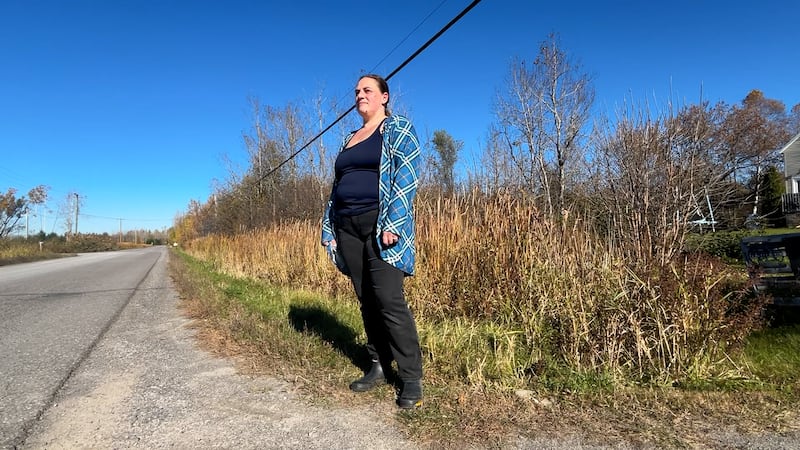
A new report from the Region of Waterloo is touting the economic benefits of extending light rail transit into Cambridge. The Initial Business Case (IBC), released publicly on Sept. 2, evaluated five options for Stage 2 of the project. It compared various ION routes and vehicles, based on their strategic and economic benefits, capital costs and potential ridership. The options included: Full LRT service Partial LRT service Shorted routes that would connect to the existing stations by bus. BRT (bus rapid transit) service Creating dedicated and separate lanes for high-frequency buses from Fairway Station to Downtown Cambridge. “What we found is with the extra transfers, with not hitting certain destinations, they did not have the same economic benefits in terms of transit ridership but also in terms of supporting growth, housing, jobs and hitting downtown Cambridge where we have existing density,” explained Matthew O’Neil, manager of rapid transit coordination for the region. According to the IBC report, the best options were an LRT and BRT from downtown Cambridge to Fairway Station, though the LRT outperformed when it came to long-term community and economic gains. ION trains, regional staff noted, come with higher capital, operating and maintenance costs compared to BRT, but it delivered greater overall returns. “Depending on what option council selects, we do have six bridges that we need to construct and so, we could look at options in an LRT or BRT environment of twinning some of those bridges,” said Doug Spooner, acting commissioner of transportation for the region. “Obviously we’ve got some existing travel lanes on the highway where we would then look at again.” Meanwhile, some residents said improved transit could help transform their lives. “I have to get all my connections at Fairview Park Mall and it seems like a hassle depending on where I am in Kitchener or Cambridge,” commuter Melissa Webster said. “It takes me a little over an hour to get anywhere between the two cities.” Some people said they avoid leaving the city altogether. “It takes too long,” Dinah Smith told CTV News. “It’s a trek to get to Kitchener.” The region said staff would continue to gather public and stakeholder feedback until the end of October. A final recommendation on how to move forward was expected to be presented to council in November.