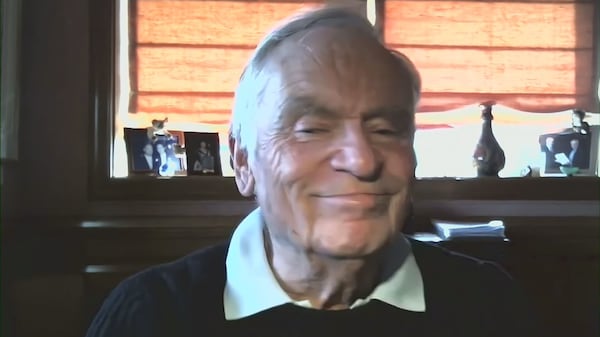
An appeal has been filed after a former neurologist was acquitted on dozens of sexual assault charges. On April 24, Jeffrey Scott Sloka was found not guilty of 48 counts of sexual assault by Justice Craig Parry. It was the end of a trial that spanned four-and-a-half years. The complainants in the case were all female patients who were seen at Sloka’s urgent neurology clinic in Kitchener, Ont. between 2010 and 2017. In court, they described receiving vaginal exams, breast exams or exams of other intimate areas during appointments for neurological concerns. Justice Parry ruled that he was satisfied there were valid medical reasons for the examinations Sloka performed. The trial is believed to be the largest of its kind in Ontario. On Tuesday, the Ministry of the Attorney General confirmed the Crown filed a notice of appeal on May 14. According to the notice of appeal, the Crown believes: The Crown wants the acquittals to be set aside and are asking for a new trial. “Felt like a gross miscarriage of justice” “I think there’s a sense of relief that there is going to be an appeal in this case,” Sara Casselman, executive director of the Sexual Assault Centre of Waterloo Region, said. “We know that this trial was one of the largest in Waterloo Region’s history and on April 24th, when Sloka was acquitted of 48 charges with 48 women, our community was really concerned that 48 women were either called unreliable or outright lying by the judge, and the expert witness wasn’t treated seriously.” Casselman acknowledged many of the women who stepped forward with allegations have been dealing with the case for years, and said she hopes all the women make the choice that is best for them when it comes to participating in the appeal process. “From our end, the Crown moving forward with filing an appeal is reflecting the will of many survivors and the community more broadly. In fact, our centre drafted a letter that we sent to the Attorney General advocating for a review of this case,” she said. “I can’t have imagined what that reality would have been if the Crown didn’t have an appeal, because it would have felt like such a gross miscarriage of justice,” she said. “I think that it would have further eroded our community and the public’s confidence in our justice system. So, I commend the Crown on making the choice to file an appeal.” Casselman recalled standing outside the courthouse when the verdict was delivered. She remembered the wave of grief and outrage that washed over a group of accusers and supporters. “The fact that there is an appeal filed is something that is very important to survivors, to their families and to our community at large.” Sloka’s lawyer reacts In a statement to CTV News, Sloka’s lawyer, David Humphrey, reiterated that Parry concluded Sloka’s exams were medical, not sexual, in nature. “Jeffrey Sloka is disappointed that the Crown is appealing Justice Parry’s decision,” Humphrey wrote. “Just as he was confident that he would receive a fair trial, he awaits the opportunity to demonstrate to the Court of Appeal that Justice Parry’s decision is well-reasoned, legally sound and ought to be upheld.” A ministry spokesperson said there would be no further comment because the matter is under appeal. What happens now? Criminal defence lawyer Nick Cake said an appeal from the Crown is rare. “When the Crown appeals an acquittal, the only way that they can do it is if they believe there’s a significant error in law,” he explained. “Just because they didn’t like the decision – that doesn’t matter. Or, as it would seem with this decision, the court of opinion did not like the decision.” Cake said a “significant error in law” could include a judge misinterpreting, misunderstanding or not applying a certain legal test or principle. “Crown appeals are very limited, so by their nature, they are rarer because of that higher threshold, that significant error in law that needs to be surpassed in order to appeal.” Now that the notice of appeal has been filed, legal teams will begin amassing their response and gathering materials to present their case. “There’ll be a period for the Crown to provide the materials, then the defence will provide the materials and then the appeal with be heard by the Ontario Court of Appeal,” Cake said. “Ultimately the Ontario Court of Appeal can dismiss the appeal and say, ‘No, Crown, you don’t have any grounds. Have a great day.’ Or they can say, ‘Yes, we’re going to grant the appeal,’ but they might grant the appeal, let’s say, in part. Or they could say, ‘We’re going to grant a new trial,’ and then everyone has to start all over.” The Court of Appeal can also overturn a decision and make a conviction. “But that’s even more rare,” Cake said. “Likely, if the Crown were to succeed in their appeal, it would be a new trial.” He said the process will add more time to an already lengthy process. “This isn’t something that’s going to be determined in a couple of weeks,” he said. “This is a year at least. And then, of course, if the Crown is successful, we could be talking years again.”