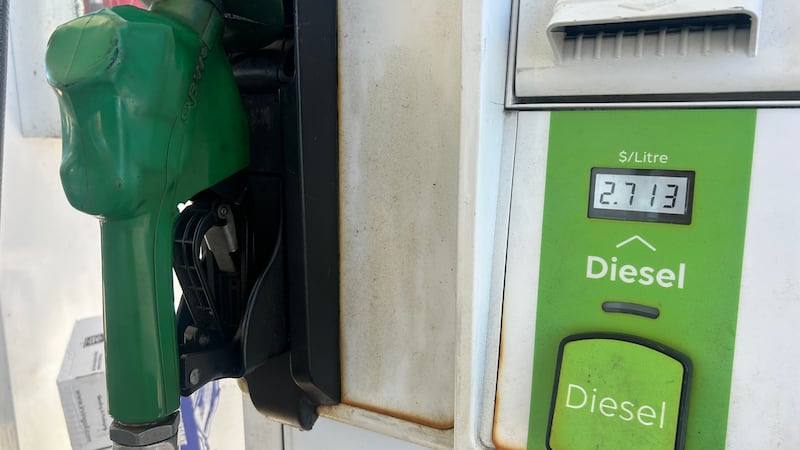
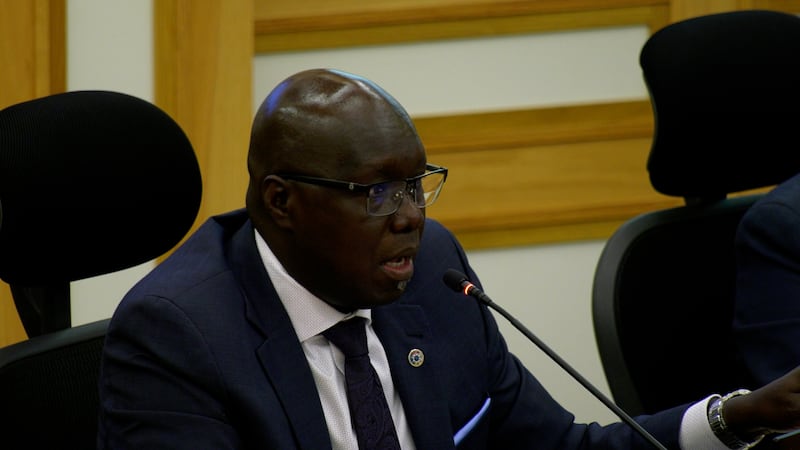
With Albertans facing a question on separation in the October referendum, the premier says it’s her government’s responsibility to be forthright about the associated costs of leaving Canada so that voters can make an informed decision. Jason Nixon, Alberta’s new finance minister, joins Alberta Primetime’s Michael Higgins to discuss what it would cost. This interview has been edited for clarity and length. Michael Higgins: Smith has confirmed she’s been speaking with you about developing a costing document. What exactly have you been tasked with? Jason Nixon: The premier has asked us in the Department of Finance to work with some outside experts to make sure we can put together all the facts associated with potential separation around a referendum question, so that Albertans can have all the best facts that they can get to be able to make their determination, the ballot box, and the best way forward. This is not about pre-determining any outcome, it’s just about taking all the information that we have and being able to get facts into the minds of Albertans as they make this important decision. MH: In terms of pulling together relevant data, who do you draw on for expertise? Do you convene a panel of experts from a number of disciplines? JN: We’re going to have more to say about the exact structure shortly, but we’ll be making sure that we are using everything in the Department of Finance to its full potential to be able to bring together financial information and other information the government has access to. Then bringing together experts, including economists and other experts, on the difference between federal and provincial government operations, to be able to compile that information in a way that it could be used by Albertans. There’s a lot of complicated information as you start to do a deep dive in this process. We want to be very accurate and very detailed, but also come forward in a way that is presentable to Albertans, that they can digest that to be able to again help them with their decision at the ballot box. MH: In picking up this message now of the high costs associated with independence, why was that not a priority during the separatists petition process? Why wait until after your government triggered an actual referendum question? JN: I think there’s a difference between when citizens are going around the province collecting signatures and asking for a citizen referendum, which is happening on more topics right now than just on separation, compared to when you’re actually now in a moment where there’s going to be a referendum question. That now becomes an issue for Albertans to be able to make sure that they have the facts to be able to determine what the benefits and what the consequences could be of this potential decision for them to then go to the ballot box. We’re at a different stage in this process now. I will also point out that I’ve only been the finance minister for under two weeks and I certainly think that this is our responsibility, given what’s taking place inside the province, to get the best information I can to Albertans as their finance minister. MH: We’re told by Elections Alberta that 60,000 or more Albertans will need to work as election officers. What’s your government budgeting for cost? How much is this going to cost? JN: I don’t think we have a final number on the cost and I won’t speak to that, as you know I’m not the lead minister, though I will be the minister who has to figure out how to pay for it. What’s really important is that Albertans hear that we will make sure that this process is appropriately funded and that we have the best resources for Elections Alberta to be able to make sure that they can do this job and provide security to this process to make sure that Albertans’ democratic rights are protected. MH: Could it push $100 million, as the leader of the opposition has claimed publicly? JN: I haven’t seen any numbers that are anywhere near that number to be able to make this process work, but you’ll see as this is put together by Elections Alberta, you’ll hear more from Minister Amery as the lead minister on the referendum process. What I can tell you is that we cannot not make sure that we appropriately fund this process, so we’ll be watching it closely. But anytime that Albertans are participating in democracy, it’s incumbent upon the government to be able to make sure that it’s fully funded and Elections Alberta is able to do their job. MH: The Canadian Taxpayers Federation, the opposition, motorists, they’re all again renewing the call for your government to bring some relief on the affordability front by parking the 13 cent per litre provincial tax on fuel. What can you share? JN: We’re going to be making some decisions on that very quickly. In Alberta, we have a legislative framework to make assessments on when we would step in to address fuel tax or to help Albertans with the price of fuel. We are now in the review process that is triggered by that legislation and we will get the results of that by all of June. Then shortly after that we will make the best decision for Albertans that we can to try to be able to get the biggest benefit that we can to all Albertans, whether or not that’s the fuel tax or some other process associated with the fuel tax, we haven’t decided yet. What I can be clear on though, is that that relief is coming and it’s coming in line with the legislation before July 1. MH: You are back in the role as finance minister for the second time in four years. How is that first experience with the portfolio informing your approach this time around? JN: It’s interesting to come back a second time. One thing is it’s nice the transition is a little bit quicker because you understand how the department works and the players that are here to help you in the bureaucracy. There’s a lot of similarities between when I was here in 2022 and now. At that time, there was a war in Ukraine that was pushing up oil prices, and an affordability crisis that was taking place across the country. Obviously that’s pretty similar now with what’s taking place in Iran and the fact that affordability still remains one of the biggest issues that we have to face. I have to now figure out how to do that, while at the same time making sure that we don’t continue to cause structural damage to Alberta’s budget, which creates long-term implications for Albertans. We’re gonna have to go through a lot of similar processes that we did in 2022 and hopefully that experience will help us be able to do that faster and get better results for the people of Alberta. MH: How close are you to delivering some sort of financial update? JN: We will have our year-end update here before the end of the month and then over the summer we’ll get into our first quarterly update and that’s when we’re going to be able to actually have a very good picture of where we are at with oil prices. Then we’ll be able to have a good conversation with Alberta about the best way that we can utilize that impact into the Alberta budget in a way that can help Albertans deal with things like affordability, but also make sure we can protect our economy for decades to come.