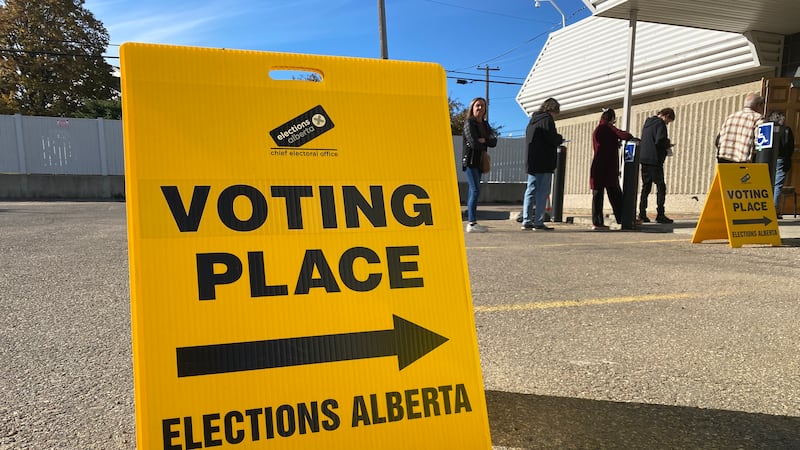
Albertans looking to the internet for referendum information before casting their ballots should be wary of fraudulent or inaccurate messages online generated by artificial intelligence, some analysts say. “Trends are showing that people are going to Google to ask questions about the upcoming referendum, and Google shows you an AI response by default right now,” Norquest College science and technology Chair Stephanie Husby said. She says, in general, Canadians should be double-checking the political information they see online. But with a heated vote on immigration, constitutional rights and whether to hold a separation referendum taking the province over this week and next, she says it’s especially pertinent now. Murphy Kopchuk reached out to CTV News Edmonton after finding a generative AI video of someone claiming to be a University of Alberta student voting in favour of separation discussions. Kopchuk pointed out there are telltale signs of generative AI in the post, like trees changing colour in the background and the Alberta flag itself morphing. But they’re particularly concerned about the creation of a character said to represent a real demographic of students. “You should only want to sway public opinion based on factual evidence … Not basically through trickery, foolery,” they said. While that video was removed from social media platforms, others still exist. Last spring, the provincial government passed legislation banning deepfakes that could mislead voters. To be considered a deepfake, however, the person depicted must be an actual political figure, according to Elections Alberta. Technology analyst Carmi Levy worries the videos are directly contributing to an eroding democracy. “If (a video) pretends to be a real person who attends a real institution or works for a real company, that’s essentially lying to get your sympathy, to get you on their side of the message,” he told CTV News Edmonton. “It’s subterfuge. It’s dishonest. It’s one thing if they’re using it to sell you something, it’s quite another if they are using it to get you to sway your vote.” Husby recommends using AI to engage critical thinking skills, as misleading information can be prominent on the internet regardless. “You can’t ever assume things are factual. The best thing to do is go back and check those sources,” she said. “The responsibility really is on the people who are using it to go to the sources and figure out, ‘Is this a valid source?’ Go to the elections site itself to look for where you’re voting.” She suggests plugging your own thoughts into AI bots to get a feel for what they can do. “A good way to use it is to challenge your assumptions. Give it information, give it context. What are you thinking? What is the position you are taking? And then ask it to challenge that, ask it to disagree with you.” Chris Ross, however, says the capricious nature of AI means answers could be faulty or change several times in a day. His work at the Centre for Media, Technology and Democracy maps the biggest influencers of the Oct. 19 vote and their messaging. “In the past 30 days, there’s been a big surge in online claims around voter fraud, kind of connected to the special ballots that Elections Alberta put out,” he said. “I should clarify (that) these are unfounded claims.” He believes the rhetoric comes from the United States and expects it to ramp up in the next week. “We find that if you use words like ‘Alberta independence’ versus ‘separatism, annexation, sovereignty,’ you could get mixed results based on those questions.” Ross says to check sources and consider the intention behind every post. “Then probably just turn off your phone,” he added. “You don’t need to consult social media on how to vote.” Advance polling for the referendum ends on Saturday. Referendum Election Day itself is Monday. With files from CTV News Edmonton’s Chelan Skulski