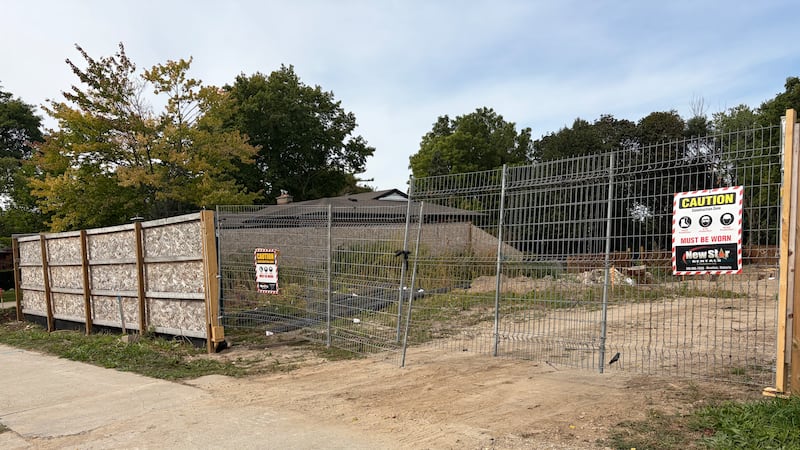
Some 160 residents in a southwest Edmonton neighbourhood appeared at a presentation on restrictive covenants that would limit property development Wednesday evening, despite recent city council moves to rejig infill bylaws. Organizers of a meeting at the Royal Gardens Community Hall say many residents seemed interested in asking the city to “slow down” its infill plans as the reality of developments in the neighbourhood have not met their expectations. “We want to have some guidelines for the neighbourhoods that we live in,” said Doug Smilski, part of the organizing committee for the Wednesday night information session. A restrictive covenant is a contract between two or more homeowners which would restrict redevelopment on their land and dictate how a new building may look or how big it can be, beyond city zoning requirements. It’s then registered with the Alberta Land Titles office and runs with the land, meaning each subsequent owner is bound by it until the majority of title owners agree to break it. Royal Gardens itself hasn’t yet seen new homes built at the same pace as other central Edmonton neighbourhoods, but residents are citing their awareness of multi-plex projects that could create shadows, parking struggles and privacy concerns. That means residents are seeking more information, Smilski says, about tools that could help them feel a little more in control. This particular recourse has become an increasingly popular discussion in mature neighbourhoods as the city continues its infill discussions. “(I) won’t say it’s the only answer, but right now, it’s probably one of our best just to help us understand, with all of our neighbours, what we could reasonably expect in the future if a builder wants to come in,” he said. “We understand infill has to happen for the city to grow … However, we don’t want to be victims of a predatory situation.” Mayor Andrew Knack previously called restrictive covenants a “very valid legal tool” for communities worried about property rights, but noted that rules and opinions vary from neighbourhood to neighbourhood. On Thursday, Ward papastew Coun. Michael Janz said restrictive covenants can be a “consequential” decision for neighbours due to their longevity and difficulty breaking them unless there’s a consensus. “You should absolutely meet with an independent lawyer, you shouldn’t take someone’s word for it. This does have a material impact on the value of your property,” he told CTV News Edmonton. “A restrictive covenant is essentially what you’re able to do with your own property into the future.” In February, Edmonton city council struck down a motion to reduce the number of infill units from eight to six, citing more complex factors to consider when it comes to neighbourhood density as well as the existence of restrictive covenants already in neighbourhoods where eight-plexes might have been built. Council did vote to approve a motion by Knack to reduce the maximum exterior wall height of infill developments to 9.5 metres, but that change won’t be final until a public hearing in the spring. Last year, city council also passed changes to the infill bylaw which included reductions to side entrances and length limitations for mid-block infill developments. Janz said new infill projects haven’t been built under the new parameters yet, meaning a restrictive covenant could be premature. Although Wednesday night’s information session did not include any signatures for restrictive covenants in Royal Gardens, Smilski said they did gather interest from people who may want to sign one in the future. With files from CTV News Edmonton’s Jeremy Thompson